About Janet DeVries Naughton

Janet DeVries Naughton is the past president of the Boynton Beach Historical Society and an academic librarian and history professor at Palm Beach State College. The intrepid historic researcher and award winning author has contributed to and published over a dozen local history books. She has over two decades of experience in Florida libraries, museums and archives, and is available as a consultant for family history projects, books and personal archival collections.

Happy 100th Birthday to the Boynton School!

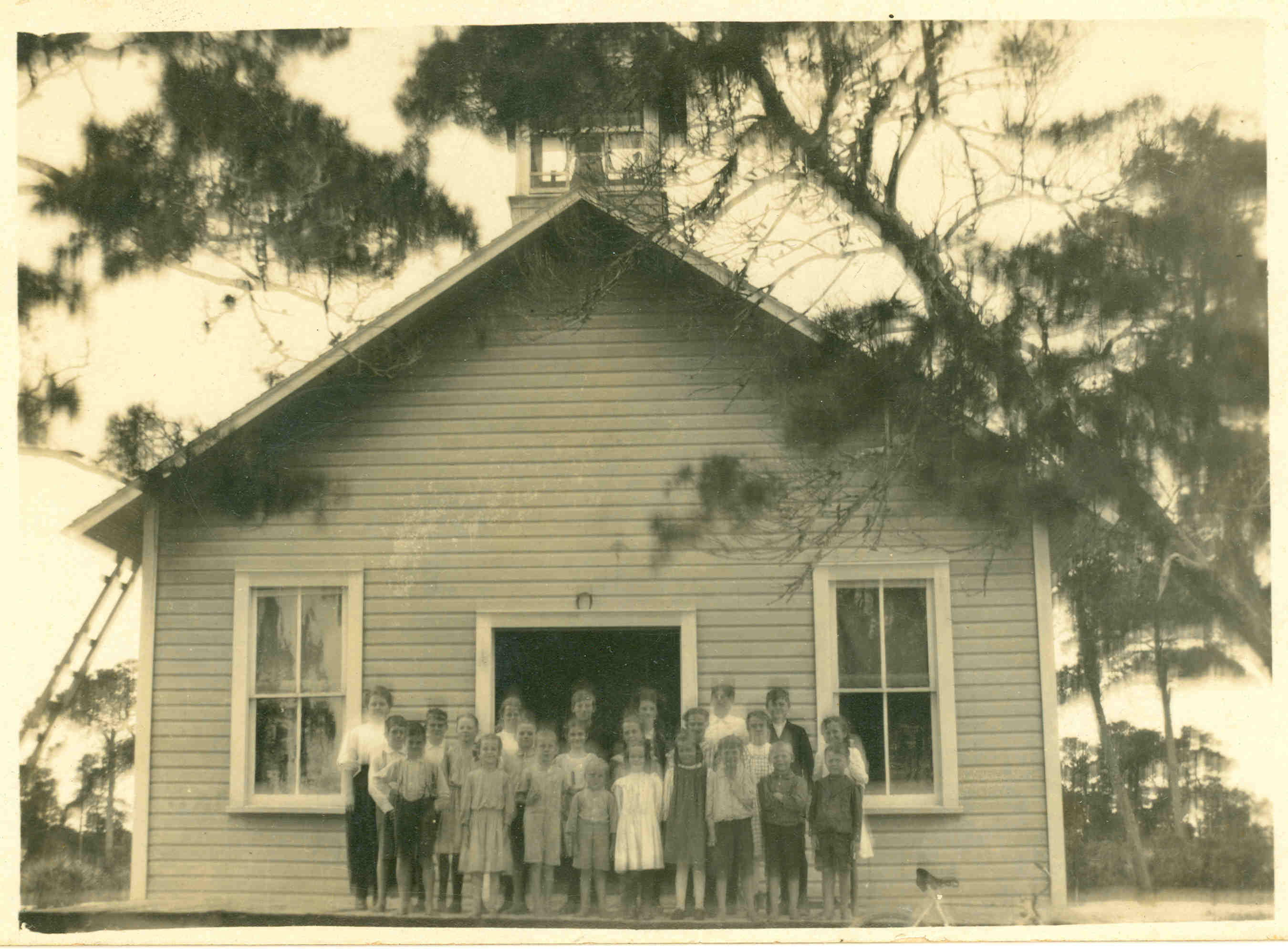
1st Permanent Schoolhouse in Boynton, ca. 1907

1st Permanent Schoolhouse in Boynton, ca. 1907

It is hard to imagine a Boynton Beach without a schoolhouse. In 1895, only a handful of people lived here, and for most of those, formal education was unnecessary. Between 1900 and 1910, the little settlement, known simply as Boynton, grew in population from less than 100 people to nearly 700.

Though they had no children of their own, Fred and Byrd Spilman Dewey recognized the need for a school in the growing settlement of Boynton. In 1897, Fred S. Dewey appeared before the school board and petitioned for a Boynton school, as reported in the August 5, 1897 Tropical Sun. A small, one-room schoolhouse on stilts was erected on land donated by the Deweys, in the area of the present day Dewey Park (Ocean Avenue and NE 4th Street). Miss Maude Gee was the first teacher, referred to in the Tropical Sun as Boynton’s “Instructoress.” A makeshift school for African-Americans; known at that time as a “Colored School” opened in 1896 in the area of today’s Poinciana School.
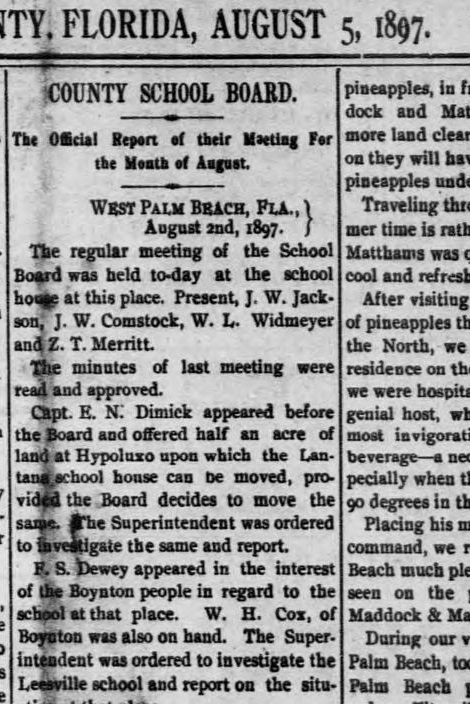
Article from Tropical Sun

Article from Tropical Sun


Albert P. Sawyer donated the land for the first permanent schoolhouse for White children, from his Sawyer’s Addition to the Dewey’s original Town of Boynton plat on November 29, 1902. In 1904 the two-room wooden school which was located near present-day Ocean Avenue and Seacrest Blvd. (then Green Street) opened with W.S. Shepard as Principal and Agnes Halseth as teacher. A few years later, in 1909, Palm Beach County was carved out of Dade County.
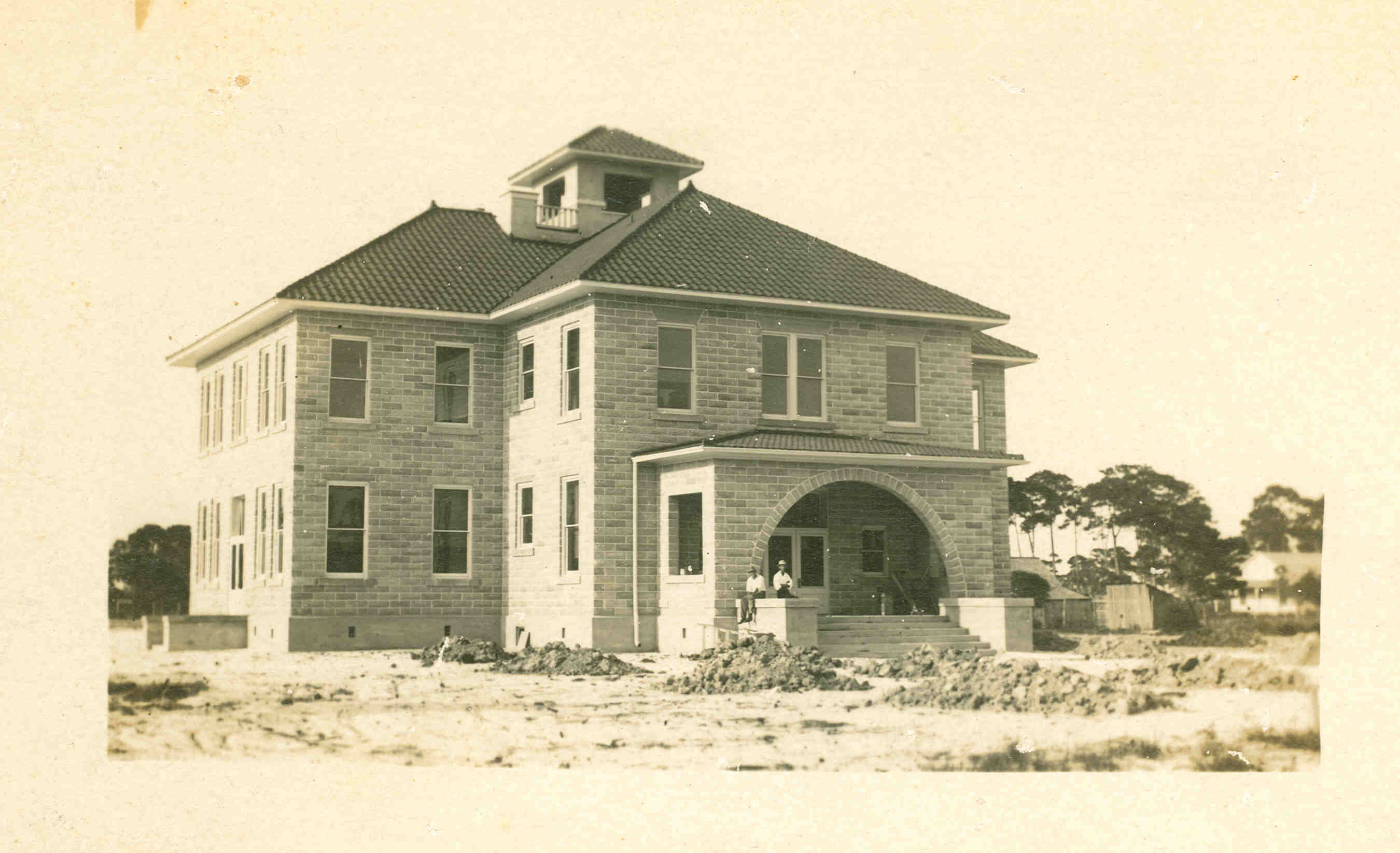
The Boynton School, ca. 1913

The Boynton School, ca. 1913

In 1912, the Palm Beach County School Board approved a contract with A. Mellson to construct the first part of a new school building. The original plan left the upstairs unfinished and did not include the fire escape. The Board approved a contract for William W. Maughlin, an architect from Baltimore to design a new masonry vernacular school. Maughlin, born in 1847, had previously designed the Palm Beach High School in 1908-1909 and was a draftsman for the Florida East Coast Hotels. Maughlin and his firm of Ruggles and Weller constructed the schoolhouse. The Boynton School was Maughlin’s last project, he passed away suddenly in October 1913 at his office and is buried in Woodland Cemetery.
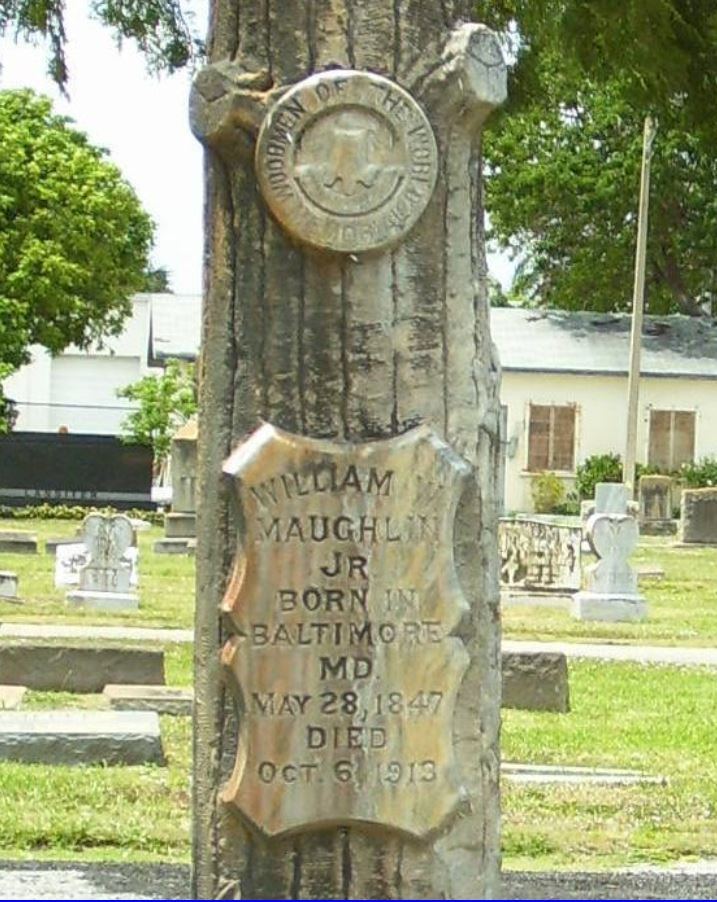
Architect Wm. Maughlin's Woodmen of the World Monument (1847-1913) at Woodlawn Cemetery.

Architect Wm. Maughlin’s Woodmen of the World Monument (1847-1913) at Woodlawn Cemetery.

In December, 1912, the Board of Instruction authorized work to be completed on the two-story, six classroom building. The structure, one of the first in Boynton to feature indoor plumbing, had a signature portico, large sash windows and transom windows to facilitate the flow of sunlight and fresh air. The floors were made from Dade County Pine, and walls affixed with bead board.

The sturdy school featured a new system in masonry, known as Dunn Tile. The molds, designed by the W.E. Dunn Mfg. Co. of Chicago, the largest manufacturer to make concrete block forms, transformed the building industry. The Dunn Co. used a revolutionary concrete and plaster mixer to make concrete  for block, a precursor to the concrete block house.
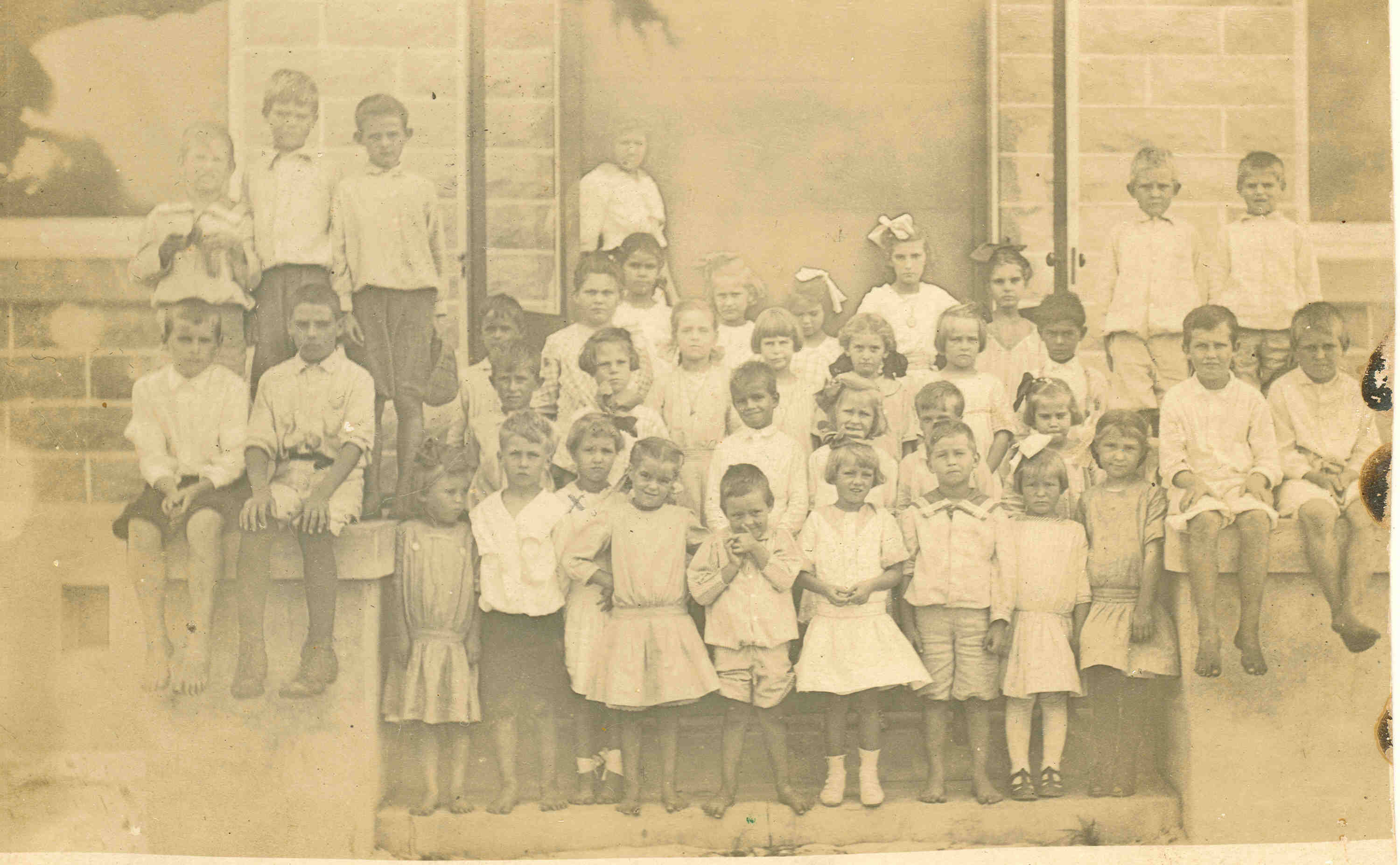
Miss Annie Streater (Shepard) with her 1st to 4th grade pupils, ca. 1913

Miss Annie Streater (Shepard) with her 1st to 4th grade pupils, ca. 1913

The school opened September 8, 1913 for grades 1-12 with 81 students in attendance. Little Glenn Murray, age three, was hastily added to the list of pupils so the school had adequate students for the staff of three teachers and a principal. Miss Annie Streater taught the first year and Howard Frederick Pfahl, a native of Cleveland, Ohio, served as school principal for the years 1914-1915. Pfahl motored to school on an Indian motorcycle.
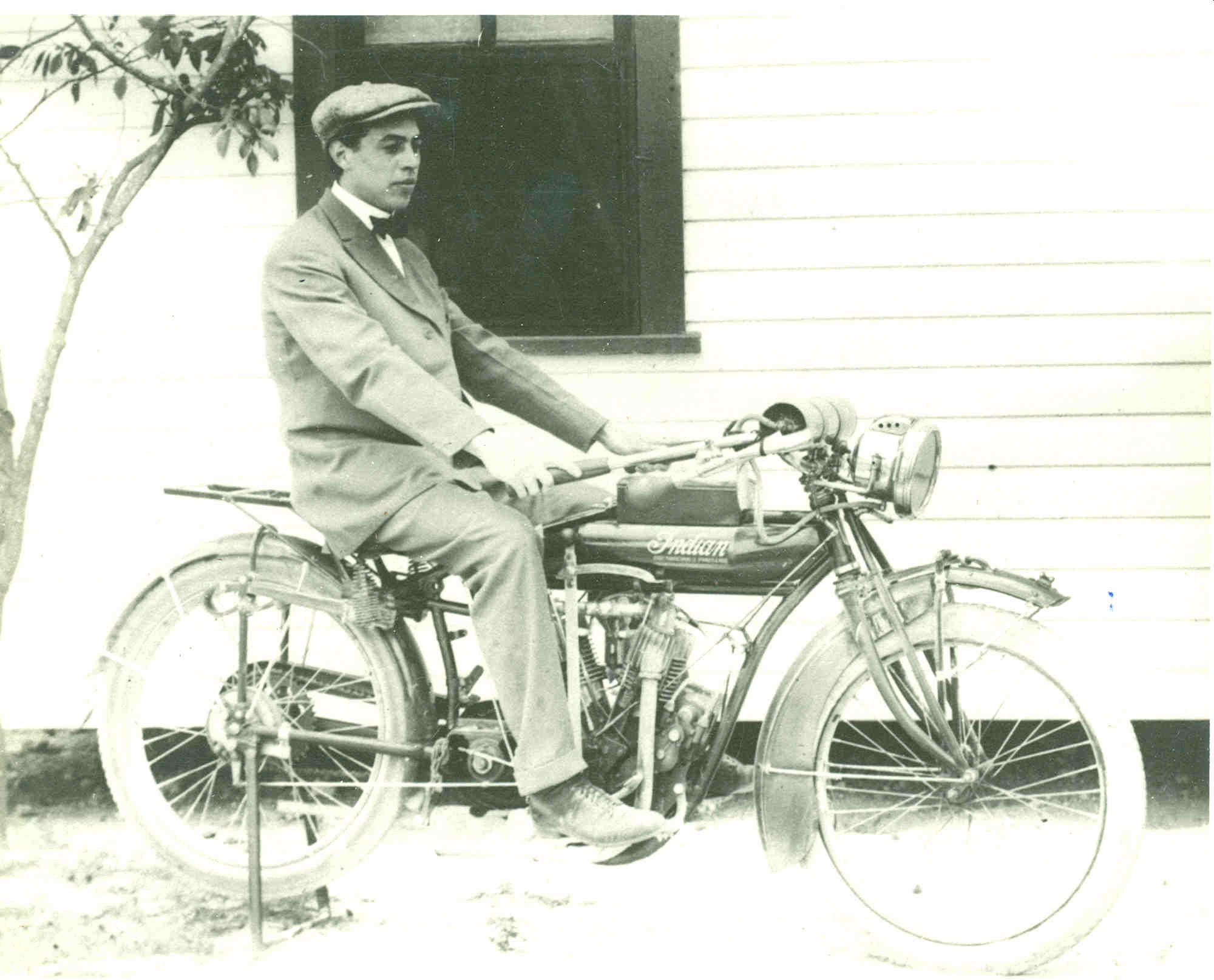
Principal Howard Phahl, ca. 1915.

Principal Howard Phahl, ca. 1915.

The Boynton School served grades 1 -12 until 1927, when the Boynton High School opened next door. For the next three decades the building served as a traditional 1-8 grade school, until Boynton Jr. High opened in 1958. The structure served as a school for primary grades and elementary students until its closing in 1990.
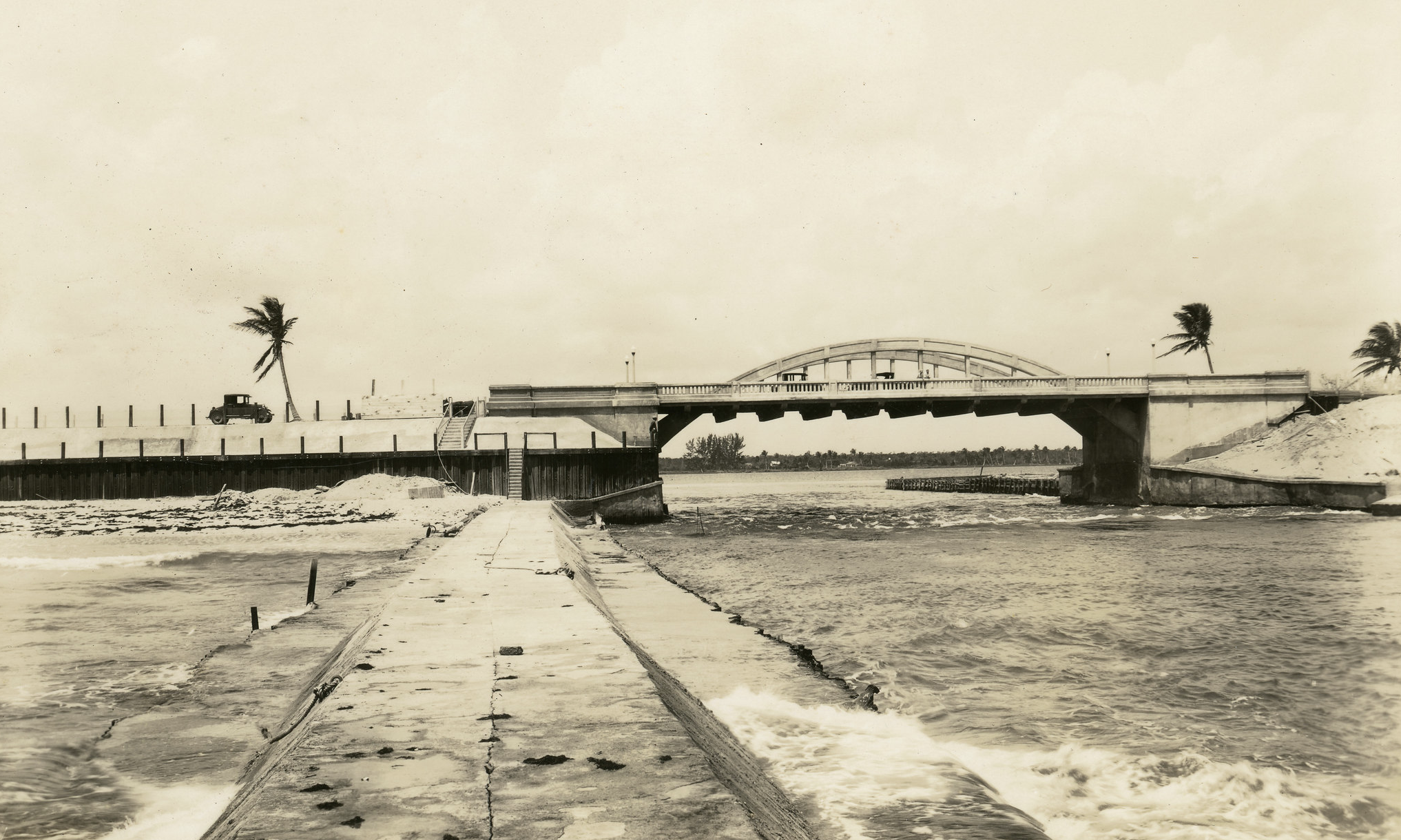
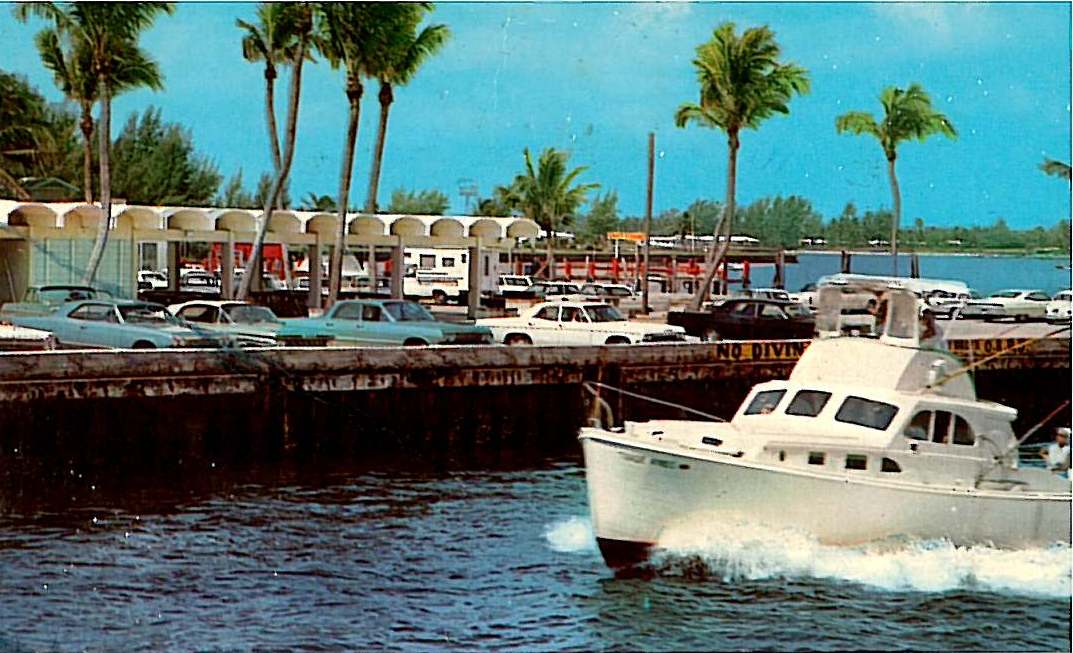
The South Lake Worth Inlet – an 85 year-old Boynton landmark


In 2009, local history supporter Robert Neff wrote to me at the Boynton Beach City Library, requesting the assistance and support of the Boynton Beach Historical Society in applying for a historic State of Florida marker at the Boynton Inlet. Mr. Neff offered to fund the cost for the marker. I researched and documented the history of the marker and applied for a Master Site File number. Prior to the application finalization, Mr. Neff passed away at the age of 95. Next month, the marker review board will make a decision on the South Lake Worth (Boynton) Inlet marker. Here is a tidbit of history from the application narrative:

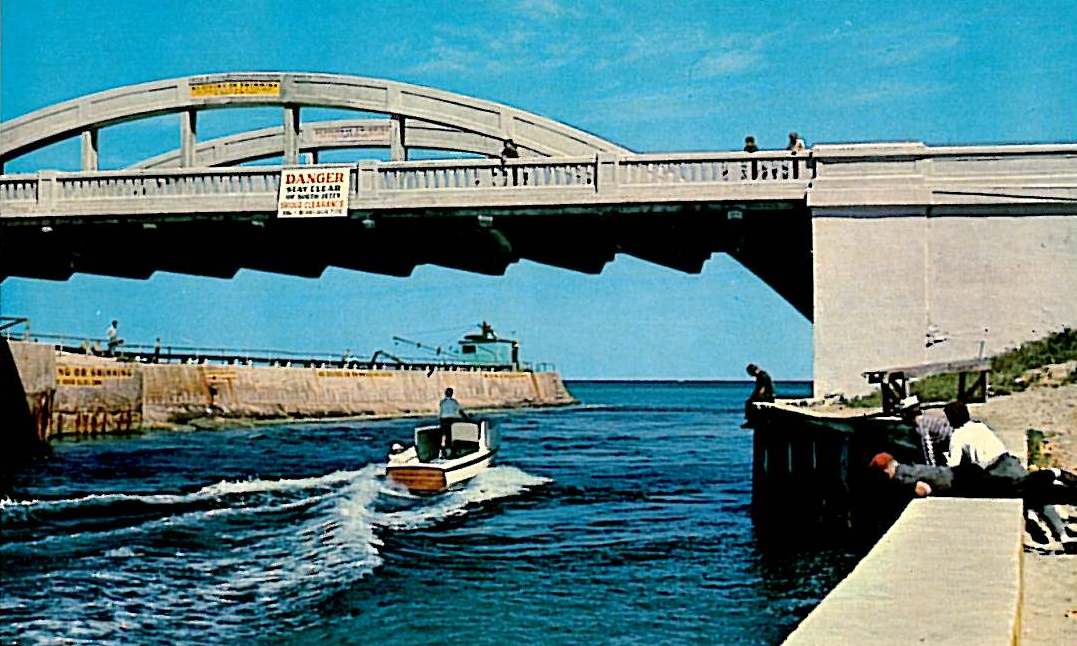
Throngs of anglers and fisherman gather at the inlet to relax, fish and watch the sport fishing, recreation, and drift fishing boats travel in and out of the inlet.

Throngs of anglers and fisherman gather at the inlet to relax, fish and watch the sport fishing, recreation and drift fishing boats travel in and out of the inlet.


The South Lake Worth Inlet (commonly known as the Boynton Inlet) is located in Ocean Ridge, Florida. The first inlet into Lake Worth was cut in the mid-19th century in the vicinity of today’s Lake Worth Inlet on the north end of the barrier island of Palm Beach, and was stabilized in 1917 as a navigable inlet. In 1925, the South Lake Worth Inlet was cut at the south end of the body of water known as Lake Worth.

A view of the original bridge over the inlet, sometimes called Rainbow Bridge or Old McDonald Bridge for its twin arches

A view of the original bridge over the inlet. Over the years the bridge has been nicknamed the Rainbow Bridge or Old McDonald Bridge for its twin arches

In the early 1920s, the need was seen for an additional inlet at the south end of Lake Worth to allow better water circulation and improve water quality. Both the cities of West Palm Beach and Lake Worth dumped sewage into Lake Worth as water treatment was nonexistent in the 1920s. On October 10, 1923, the newly formed South Lake Worth Inlet District appropriated monies for engineering work on the Inlet and construction began with Karl Riddle serving as chief engineer (Palm Beach Post).

The rainbow-style bridge over the inlet was opened September 3, 1926 to allow automobile traffic to continue through to Palm Beach along Ocean Boulevard (Palm Beach Post). Work continued on the inlet and it opened March 16, 1927 (Palm Beach Post). The inlet impeded the natural sand flow to the south of the inlet, resulting in severe erosion along those beaches. In 1937, the world’s first fixed sand bypassing plant, with extended jetties on the north and south ends were constructed, which greatly reduced erosion (Dean & O’Brien, 1987).

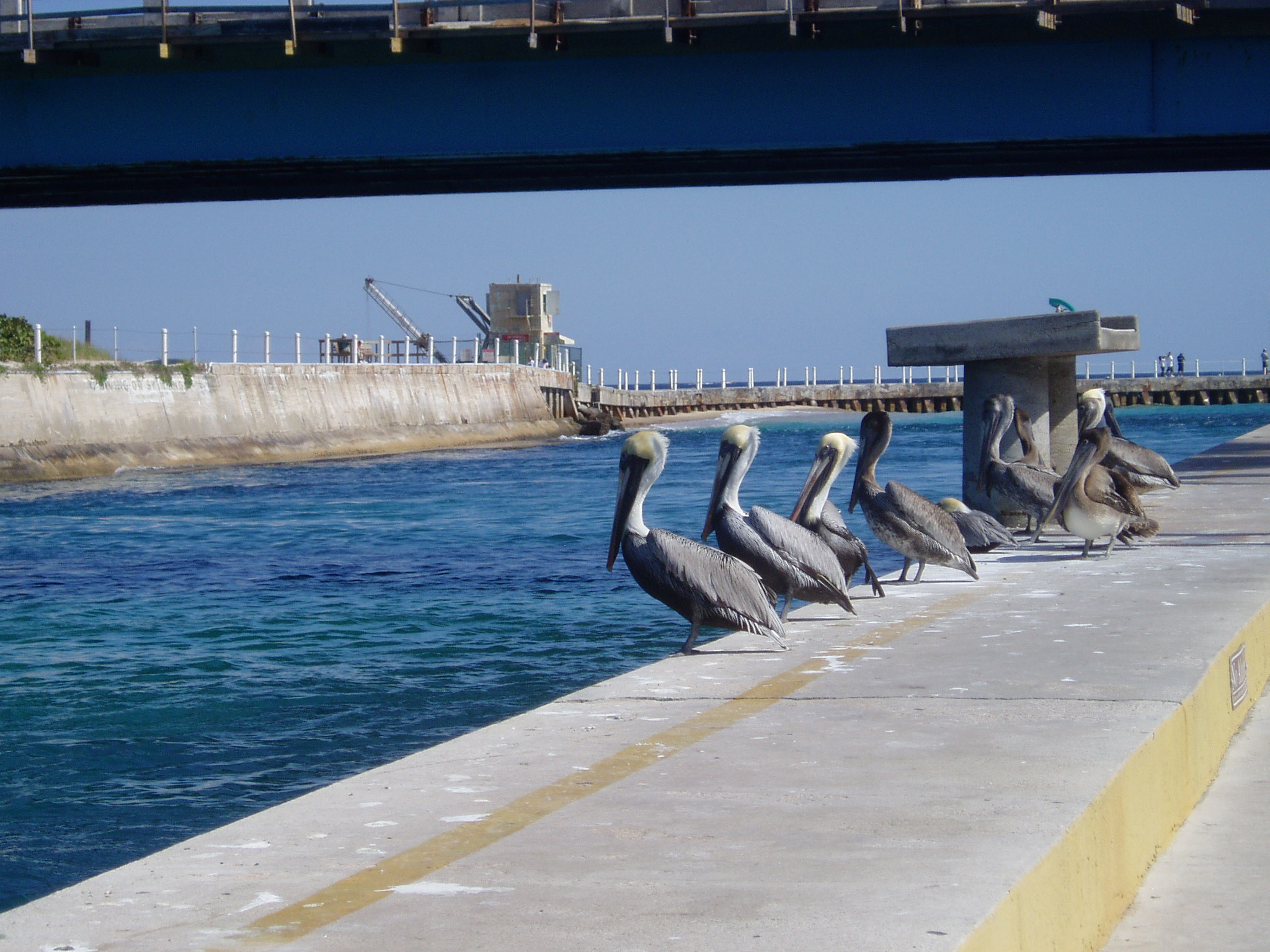
Pelicans patiently waiting for a taste of fish

Pelicans patiently waiting for a taste of fish

The Inlet opening jump-started the local economy and launched Boynton Beach as a fishing and boating destination. The Inlet allowed easy access to the Atlantic Ocean and Gulf Stream, as Boynton Beach is the closest municipality to the Gulf Stream waters. The areas surrounding the Inlet became a popular destination with local residents and tourists. In 1988, the county improved the park and its amenities. The Inlet and site continue to draw thousands each year to its blue waters and park facilities.

The Boynton Theatre

Meteorologists predict temperatures may reach 100 degrees this week in the Palm Beaches. What do people do when the temperature climbs to uncomfortable heights? They head for the refreshing air-conditioning of the movie theatre!

Boynton Theatre

Boynton Theatre

The Boynton Theatre at Lake (Boynton Beach Blvd.) and U.S. 1 (Federal Highway) originally featured silent movies, and a theatre employee provided dramatic music on the piano. The building had one screen and wooden floors. In the 1950s, a quarter-dollar bought two feature movies, a cartoon, and a newsreel. Popcorn cost 5 cents. Church groups met in the theatre building before construction of their own buildings, and businesses occupied the second floor.
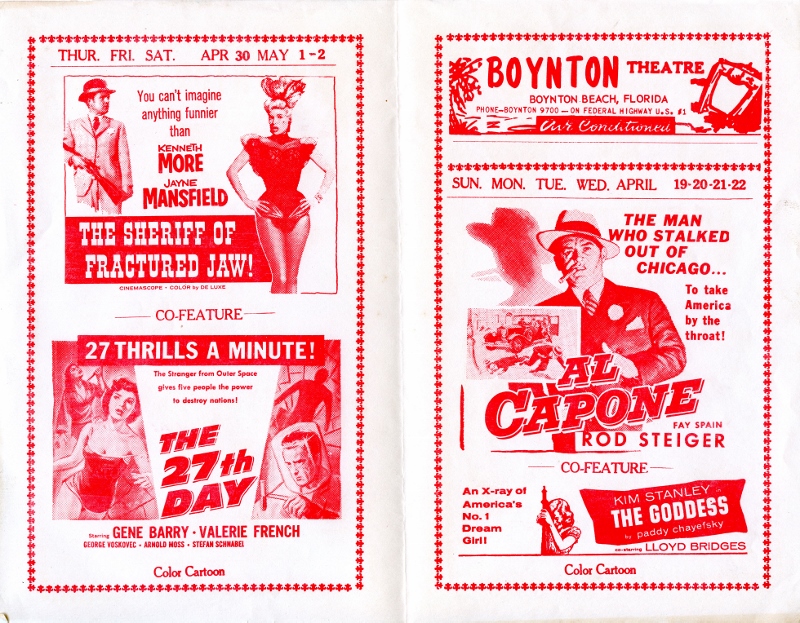
Vintage movie theatre brochures provide a glimpse back in time. Look at the entertainment selections from April 1959!

1959 Boynton Theatre Flyer

1959 Boynton Theatre Flyer


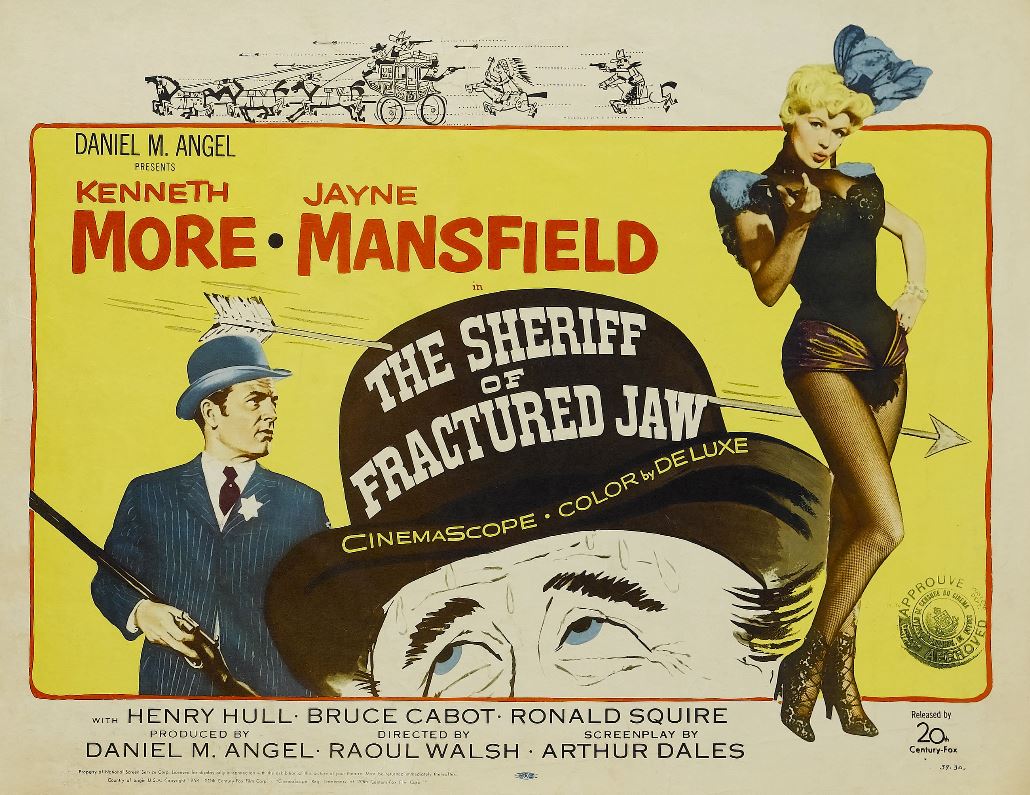
The Sheriff of Fractured Jaw Movie Poster (1958)

The Sheriff of Fractured Jaw Movie Poster (1958)

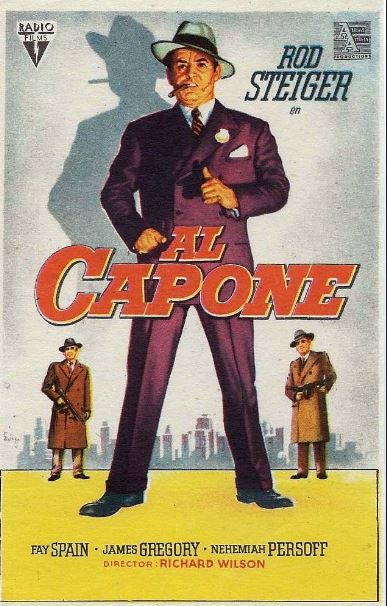
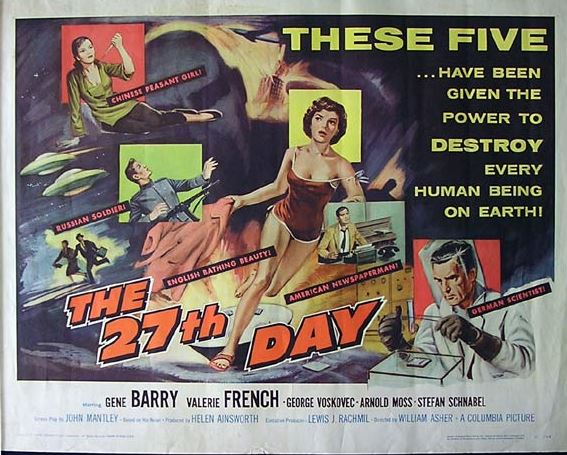
The Goddess (1958), a drama loosely based on the life of Marilyn Monroe, a 1959 biography of Al Capone, aptly called Al Capone, a 1958 British/American western comedy starring Jayne Mansfield and Kenneth Moore, and a low-budget 1957 science fiction film – The 27th Day, featuring flying saucers and aliens.

Al Capone 1959 Movie Poster

Al Capone 1959 Movie Poster

What does the spring 1959 movie selection tell us about the Boyntonites escaping to the movies? Did I mention the free air-conditioning?

The 27th Day Poster (1957)

The 27th Day Poster (1957)

Boynton’s Earliest Churches

Before Palm Beach County existed, most of southeast Florida was Dade County. Before the pioneers founded religious institutions, the community relied on the occasional traveling missionary for church services. Congregants gathered in homes and in shady

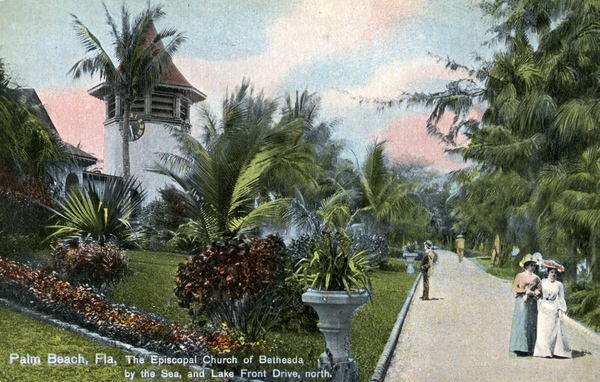
Bethesda-By-The-Sea Church - Palm Beach (Courtesy Florida Memory)

Bethesda-By-The-Sea Church – Palm Beach (Courtesy Florida Memory)

arbors, reading the Bible and singing hymns. As more settlers arrived, the families raised money, gathered materials, and built small local churches. Weather and fire destroyed most of the early church buildings, though one pioneer church built in 1894, the second Bethesda-By-The-Sea Episcopal church, still stands in Palm Beach.

In 1930-1940, the WPA (Works Progress Administration) surveyed churches throughout the state to chronicle the history and inventory the church archives. The WPA reported the Town of Boynton had seven organized congregations with church buildings, though few buildings were the original structures.

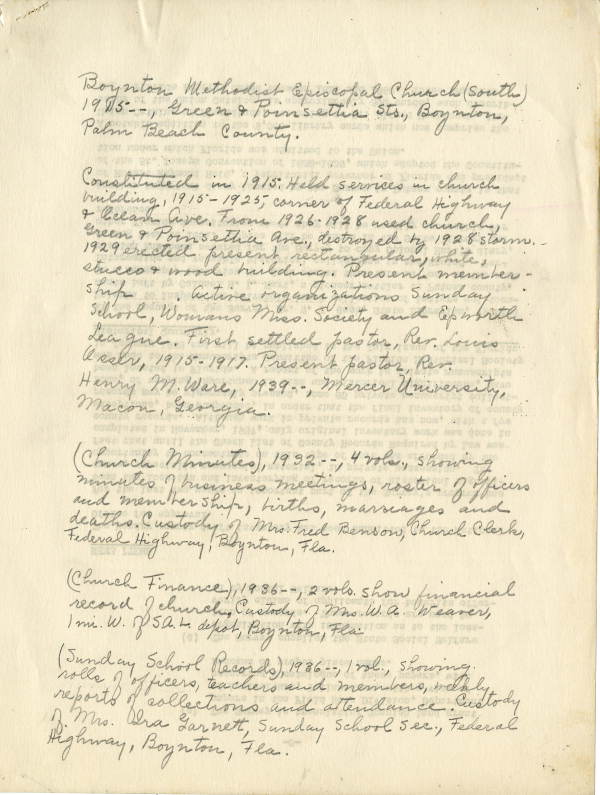
According to WPA records, Saint Paul’s African Methodist Episcopal Church (1900) is the oldest. The records designate Saint John Baptist (1909) as the second oldest, yet a comprehensive history of the Boynton Methodist Episcopal Church, South published in 2006 (First United Methodist Church of Boynton Beach, Florida: A Centennial Celebration: A History of the First 100 Years 1905-2005) is contrary to the WPA date of 1915 and supports the claim the Boynton Methodist formed in 1905.

Original WPA Notes scanned into Florida Memory

Original WPA Notes scanned into Florida Memory

Other early Boynton churches

Saint John Baptist Church 1909

Saint Cuthbert’s Episcopal Church 1923

Community Church 1926

Church of God 1936

New Mount Zion Church 1939

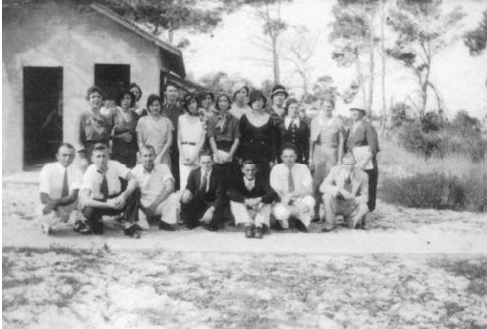
Methodist Church, 1930s

Methodist Church, 1930s

In the 1976 film, The History of Boynton Beach, one of the scenes shows scores of men, women and children exiting a church. As the church-bell chimes, people scurry across Seacrest Boulevard and gather in small groups to chat. The women wear lovely skirts and wear heels, with their heads covered by colorful hats. Nearly every gentleman wears a tie, and most are carrying a suit coat or sport jacket over his arm. Though today many church-goers don’t dress up as much, this idyllic scene is still repeated across Boynton Beach on Sunday mornings.

Today Boynton Beach and nearby unincorporated areas of Palm Beach County are home to nearly 600 religious institutions. The Boynton Beach Historical Society would like to add to its knowledge base and archive with information including primary documents and photographs of each church. To contribute to the history, please email us at boyntonhistory@gmail.com.

Boynton’s Egg Circle

You can purchase farm fresh eggs in western Boynton Beach. Heritage Hen Farms (hidden behind the Publix Supermarket on Haverhill Road, west of Military Trail and south of Le Chalet Blvd) offers freshly laid chicken eggs, honey and goat milk.

Heritage Hen Farm

Heritage Hen Farm

During the 1920s, 30s and 40s, the farm was the site of Oscar Winchester’s “Flatwoods” pineapple plantation. Mr. Winchester was widely known as the “Pineapple King.”

http://www.heritagehen.com

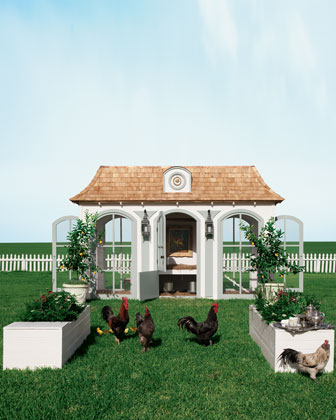
If you have enough money, you can buy a mini-hen farm from the 2012 Neiman Marcus Fantasy Christmas Catalog for “just a drop in the bucket” – $100,000.

Neiman Marcus 2012 Fantasy Christmas Catalog Mini-Hen Farm

Neiman Marcus 2012 Fantasy Christmas Catalog Mini-Hen Farm

There’s one catch; cultivation of chickens and other farm animals are prohibited within the Boynton Beach city limits.

Not to ruffle any feathers, but that wasn’t always the case. Boynton once boasted a very successful Egg Circle.

In 1921, shortly after the town’s incorporation, a flock of Boynton Women organized a co-op for cultivating and marketing home-grown eggs.

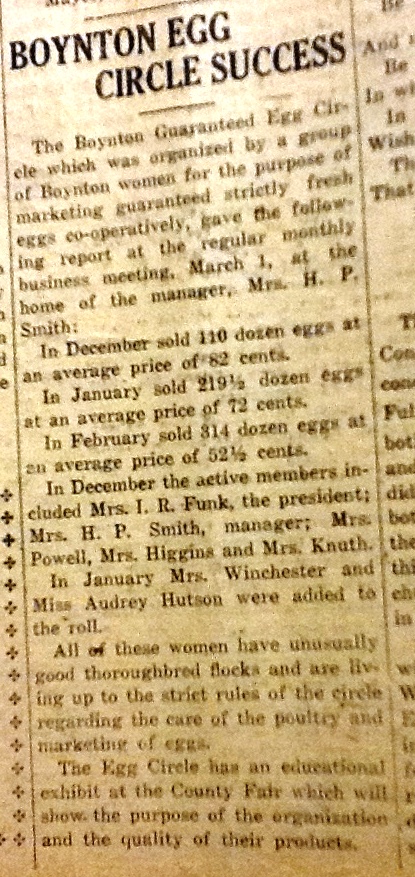
Lake Worth Herald, Dec. 1 1921

Lake Worth Herald, Dec. 1 1921

Led by president Mrs. I.R. Funk, and Manager, Mrs. H.P. Smith, seven Boynton entrepreneurs went into business.

The Egg Circle presented an educational exhibit and promoted their egg circle production at the annual Palm Beach County Fair. (Note: George Graham Currie founded the Palm Beach County Fair in 1912)

Nearly 650 dozen eggs sold during the winter season. Because they didn’t put all their eggs in one basket, the women were able to sock away a nice little nest egg.