How I-95 Changed Downtown Boynton Beach

Ever wonder why Boynton Beach never developed a downtown like Delray’s Atlantic Avenue? The answer may lie in two highways built decades ago.

When Interstate 95 cut through Palm Beach County in the late 1960s and early 1970s, it promised faster travel and modern transportation. But for towns along its route, the new highway also came with tradeoffs. Boynton Beach was one of them.

A March 1969 Boynton Beach News Journal article described the planned route of I-95 through the city. The interstate would pass through Boynton with just two exits: NE 2nd Avenue (today’s Boynton Beach Boulevard) and SW 15th Avenue (now Woolbright Road). Between those two points, the highway would cut directly through neighborhoods and businesses.
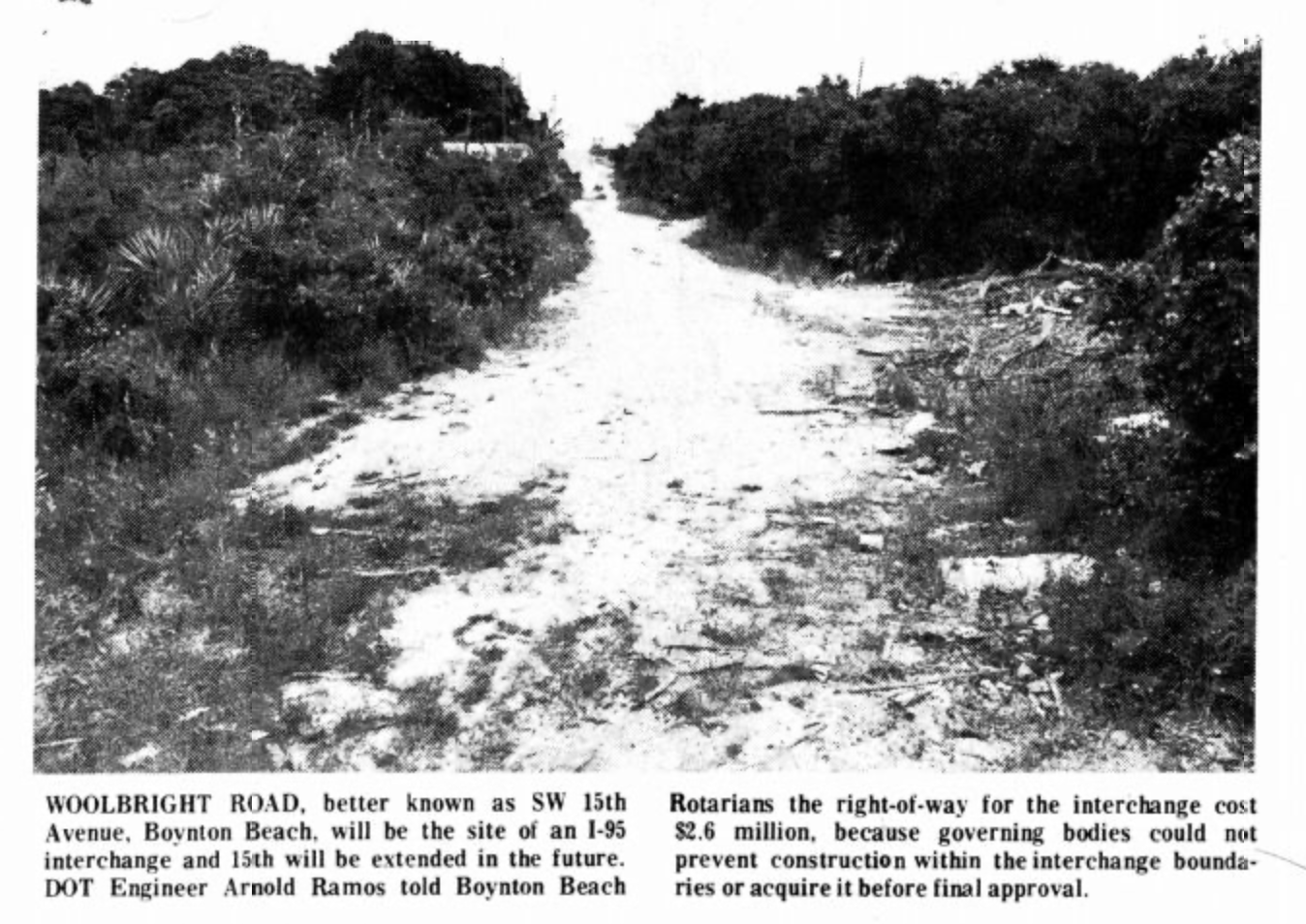

The project required taking land along the route. The article noted that three houses on SW 8th Street just south of SW 2nd Avenue would be removed to make way for the interstate. Businesses were affected as well. Rinker Materials would have to relocate because the new highway would pass directly through its property.

Residents and businesses along Ocean Avenue raised concerns during planning, asking how the interstate would affect access across town. Their concerns were justified.
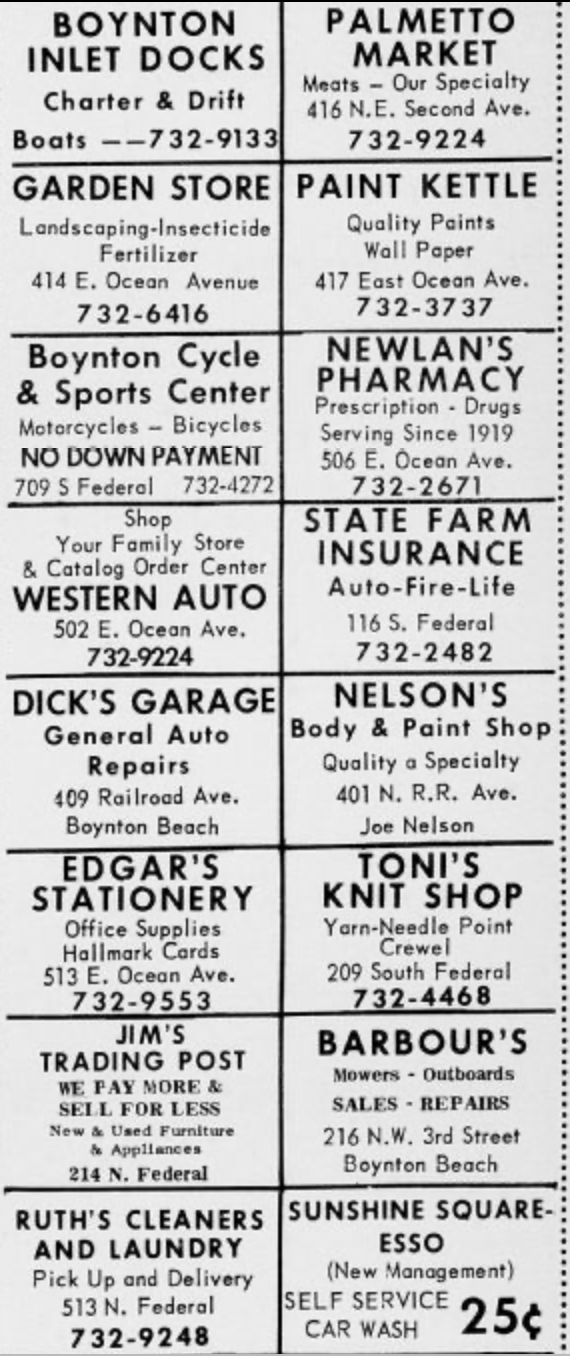
State Road Department officials explained that Ocean Avenue would not cross the interstate. Because the highway would be elevated at the nearby interchange, building a crossing over both I-95 and the railroad tracks was considered too expensive. The plan simply eliminated it.

That decision had long-lasting consequences.
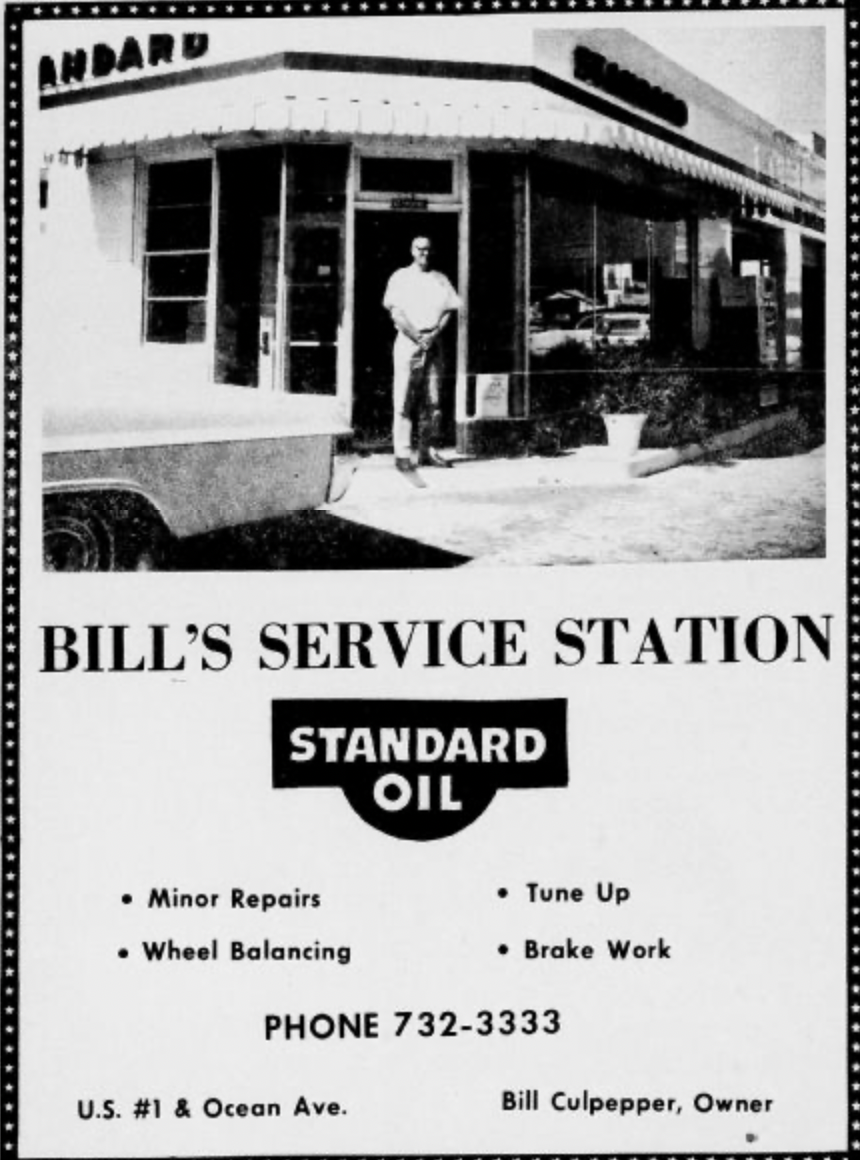
 

Ocean Avenue had long been the main route into downtown Boynton Beach, the historic business district near the Intracoastal Waterway.

Before the interstate era, motorists traveling north and south along U.S. 1 and Dixie Highwaynaturally passed through downtown, providing steady traffic for local shops and restaurants.

The shift in travel patterns had actually begun earlier. When the Florida Turnpike—then called the Sunshine State Parkway—opened in 1957, long-distance drivers were already being funneled onto a faster route west of the coastal towns instead of traveling through them.

The arrival of I-95 completed the bypass.


With exits only at Boynton Beach Boulevard and Woolbright Road, drivers on the interstate had no direct route into downtown via Ocean Avenue. Thousands of cars passed the city every day, but most never entered the historic business district.
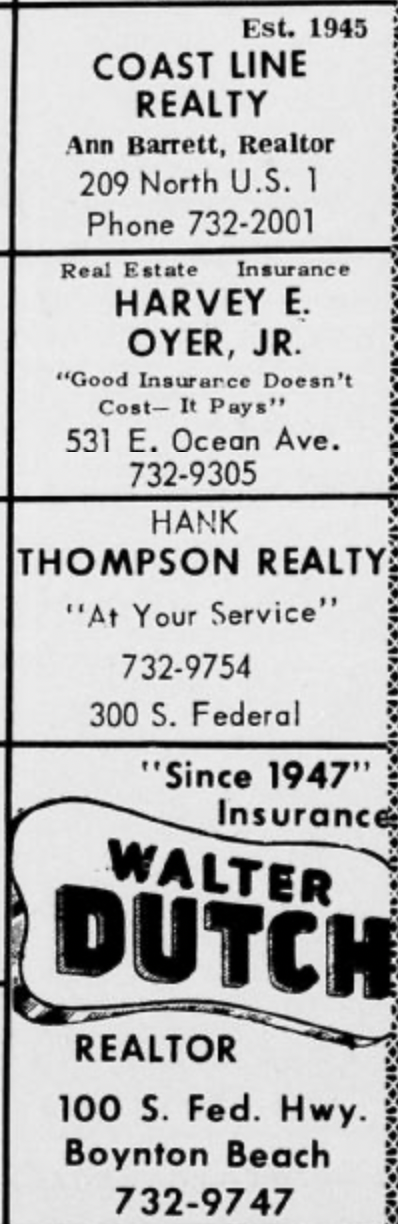
Over time, traffic that once flowed naturally toward the waterfront disappeared, and businesses that depended on pass-through customers struggled. As development followed the interstate westward, downtown Boynton Beach was gradually left off the main travel route.

By the time the Boynton Beach Mall opened in 1985, much of Boynton’s retail and restaurants had closed, or moved west.

Looking back, the story helps explain why the once-busy downtown district faded. The highway that connected South Florida also redirected the traffic that had once kept Boynton’s historic center alive.


The South Lake Worth (Boynton) Inlet History

SOUTH LAKE WORTH INLET (BOYNTON INLET) 

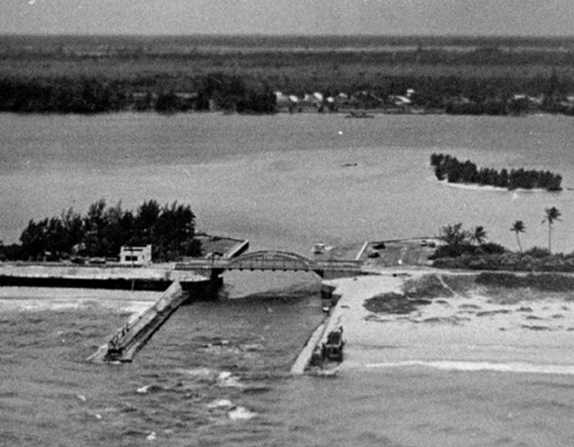
The Boynton Inlet, or what is officially known as the South Lake Worth Inlet, was a project that took many years to happen. Originally, Lake Worth was a fresh water lake. When the Palm Beach Inlet was opened in the 1800s, it changed to a salt water lagoon. At the far end

The Boynton Inlet

The Boynton Inlet

of the lake, the water was more brackish. Several cities used the lake to dump raw sewage. It was felt that making an additional opening to the sea would help “flush” the lake and to provide access for anglers and sport fishing.

The inlet was opened in 1927, and is a popular recreational spot for picnics and fishing.

The original article from March 17, 1927, announcing the inlet opening, from the Palm Beach Post.

CONNECTING CUT IS MADE AFTER YEARS OF ENGINEERING WORK

Scores Watch Ceremonial Labor at 11 o’clock Wednesday Night

At 11:18 o’clock last night the South Lake Worth Inlet at Boynton became a reality.

For at this hour waters from the Atlantic ocean glided in through the tiny cut, shoveled in the sand, and mingled with the waters of Lake Worth, for the first time at this point, filling the channel cut by a huge clam shell dredge. Dozens of spectators leaned from the bridge, which tops the project, and watched the operations by the glare of large search lights, while others tramped through the sand below to stand on the point to observe the laborers as they shoveled the opening wedge through which the ocean flowed.

Although about two weeks work yet remains for dredging the sand and cutting through part of the rock in the channel, last night’s task marked the official opening of the South Lake Worth inlet and the real termination of the project extending over a period of many years.

The South Lake Worth inlet, connecting the Atlantic ocean and Lake Worth, at a point just north of Boynton and the head of the lake, when completed will be available for pleasure craft, as well as being a vehicle for drainage. A depth of five feet at low tide will be increased to seven at high tide with a space of 154 feet between the two front jetties, and a 32 foot overhead clearance under the bridge.

Conceived in 1923, the project was almost one year in assuming definitive shape at the end of which time plans had been drawn, estimates made, the inlet district created and the project financed. The district extends from Southern Boulevard in West Palm Beach to a point one mile south of Boynton.

Riddle Brothers, engineers, were engaged to have charge of the entire projects, and last night both Karl and Kenyon Riddle of the firm, stood on the sands and watched the culmination of the $225,000 project, together with many of the town officials.

The concrete bridge, which has no draw, was completed August 1, 1924. Work started on the inlet proper in September, 1923, first on the solid concrete jetties, both of which withstood both hurricanes last summer without damage. The jetties, according to the engineering are of a peculiar construction, unique along the coast.

A suction dredge has been at work on the channel for some time and on Tuesday of this week the clam shell dredge began operations in a 21 hour-a-day schedule. It is expected that with the opening wedge cut, much of the sand will wash out to sea during high tides.

The Orange Blossom Express

Excitement filled the air in the newly chartered Town of Boynton by the sea. The long awaited Orange Blossom Express had completed its extension to Miami, and was scheduled to stop in Boynton. This monumental event embodied even more prosperity for south Florida. The last few years saw dizzying growth. Folks who used to live in, visit, or pass through Boynton didn’t recognize the place any longer.

Boynton townsfolk awaiting the Orange Blossom Express


The great land boom had greatly altered the landscape of the frontier settlement. New schools, churches, hotels, office buildings, and elaborate residences were under construction.


It seemed that with each passing day another developer set up big tents, and their agents took down payments for lots or houses not yet built. A six-story Spanish style hotel under construction on Ocean Avenue was the talk of the town.


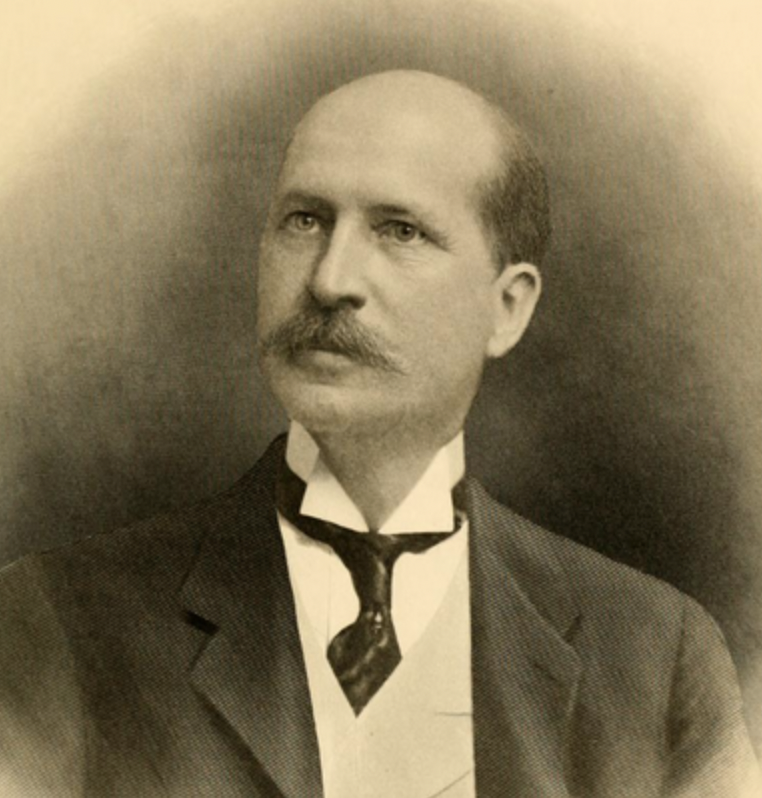
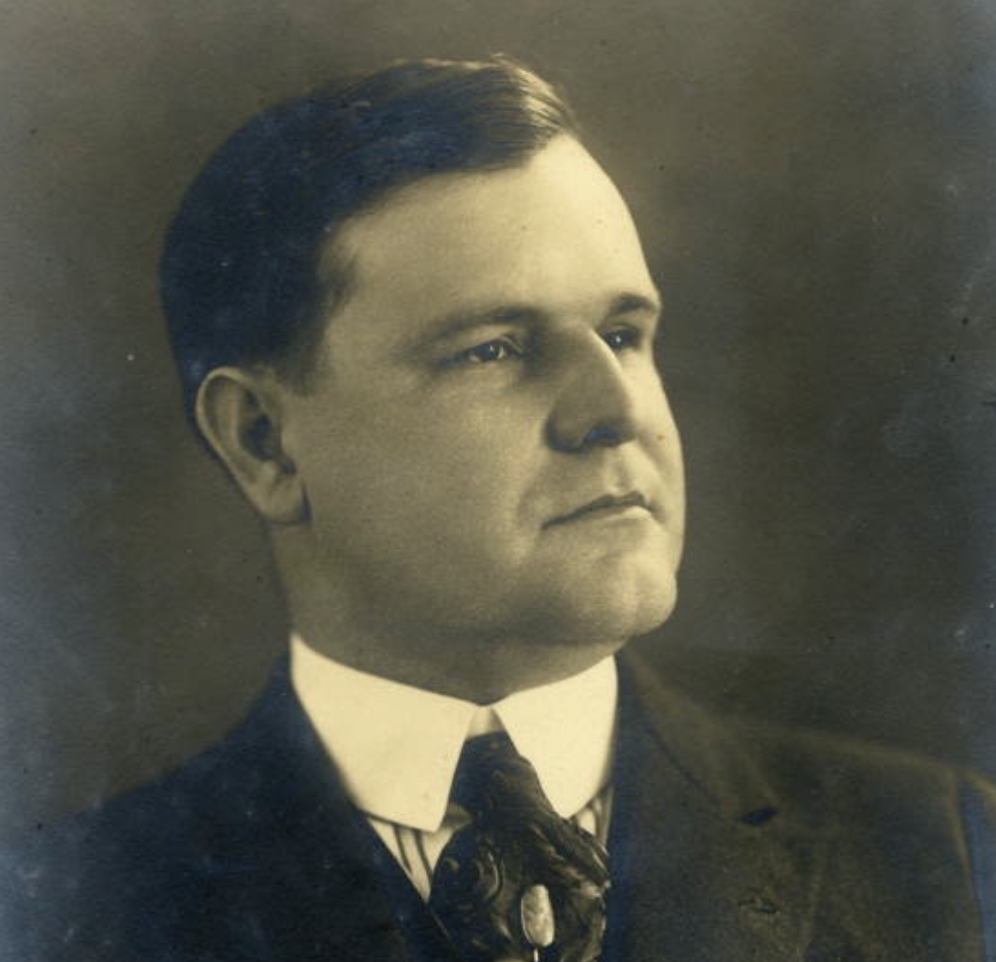
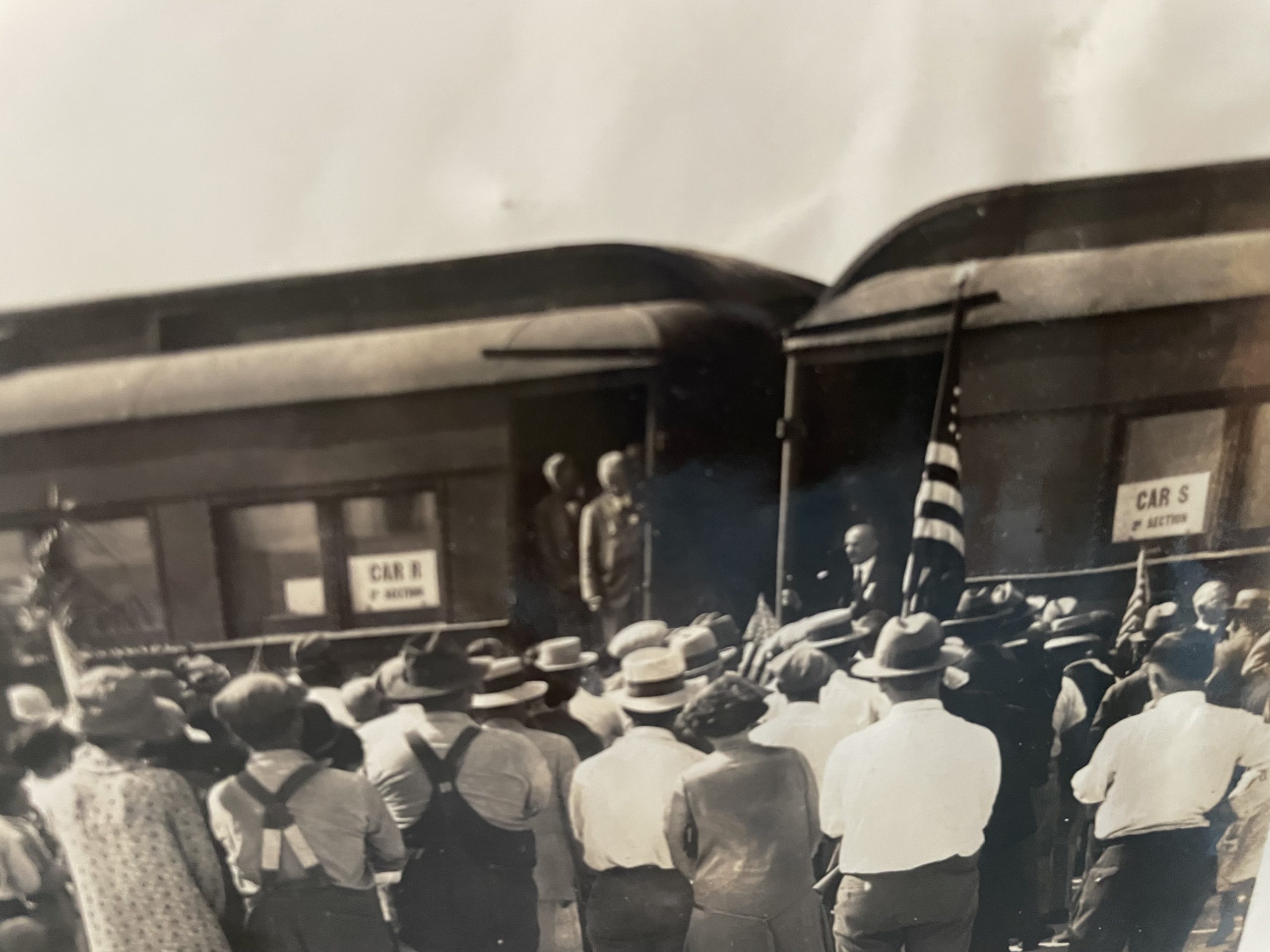
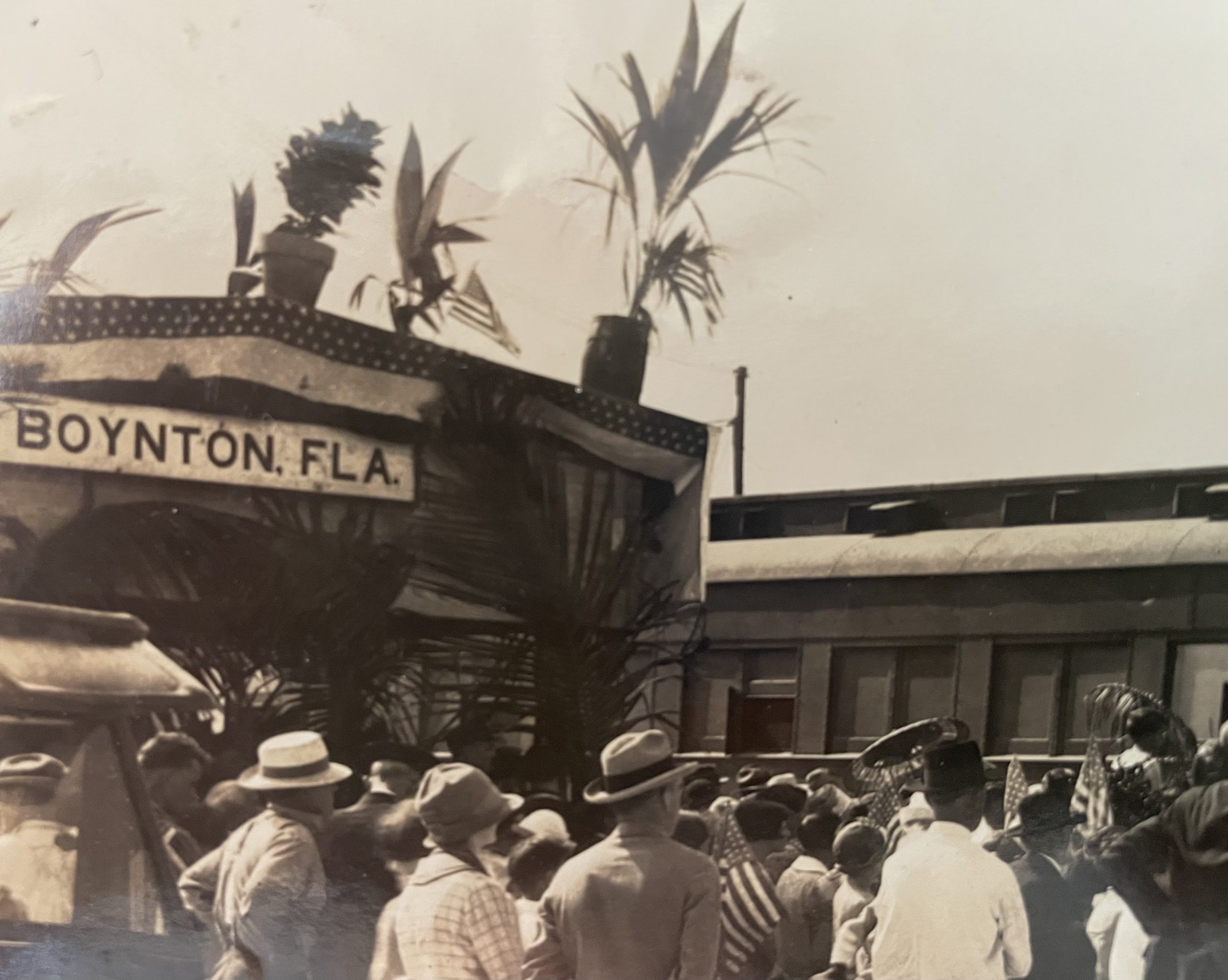
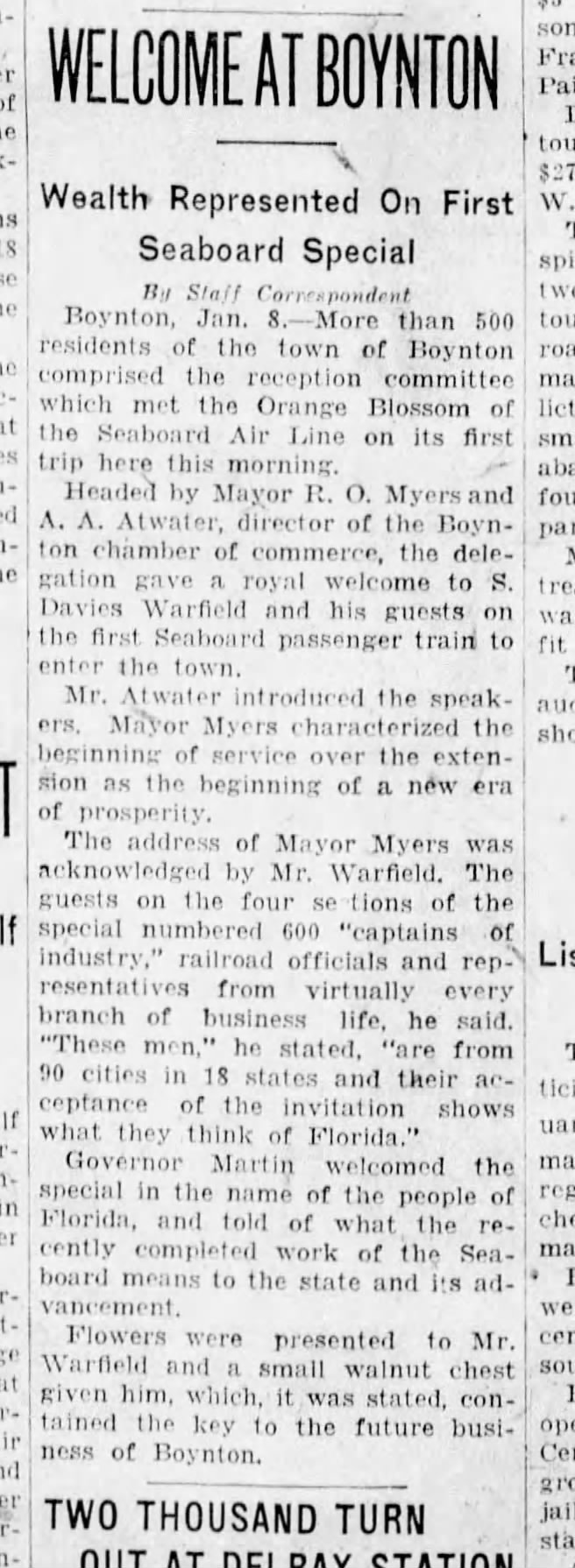
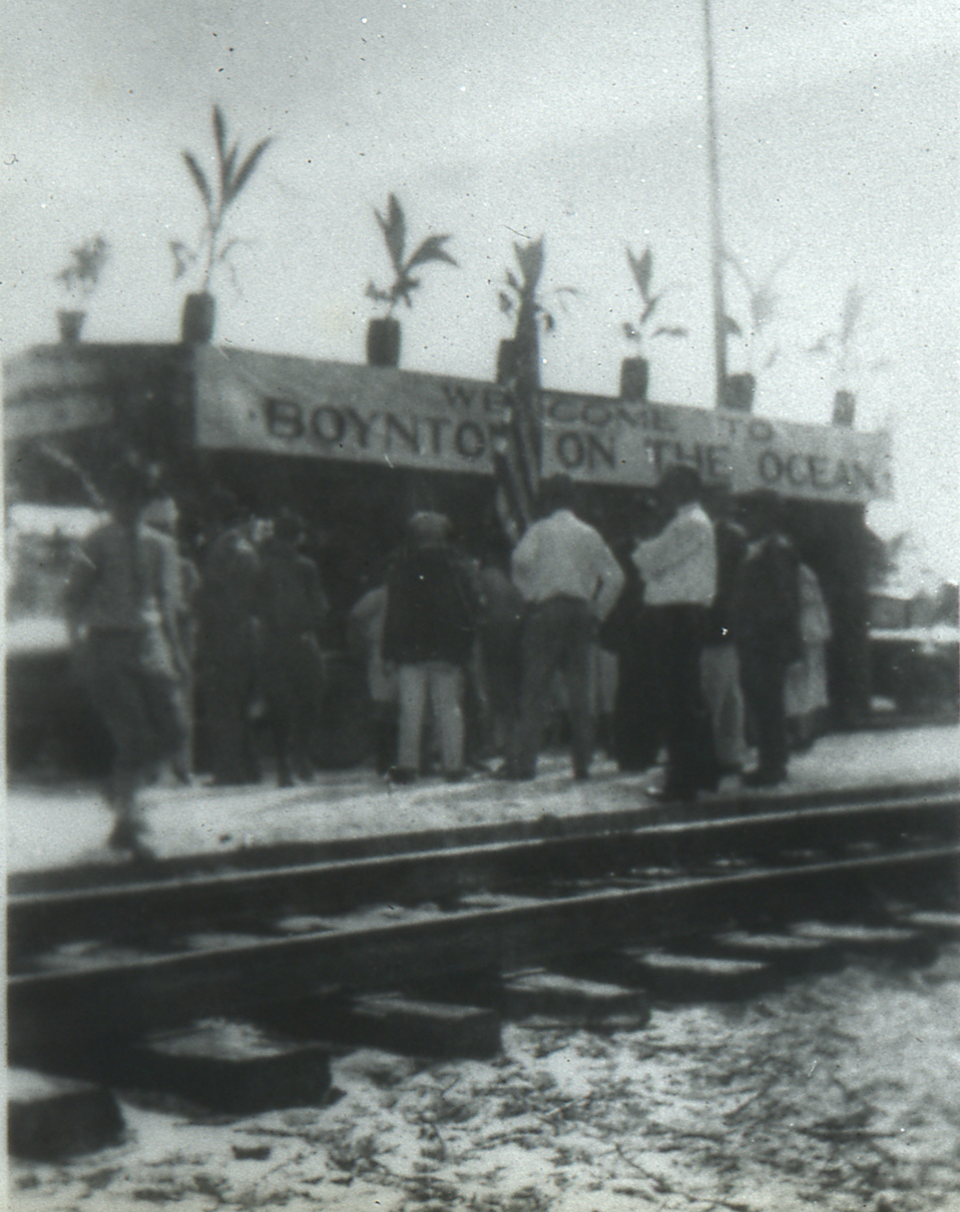
On Saturday, January 8, 1927 in picture-perfect 72 degree weather, over 500 residents waving flags gathered at the Seaboard Air Line railroad station. Everyone was excited to meet the inaugural train car carrying Seaboard president Solomon Davies Warfield and Florida governor John Wellborn Martin.

Seaboard Air Line President Solomon Davies Warfield

Florida Governor John W. Martin


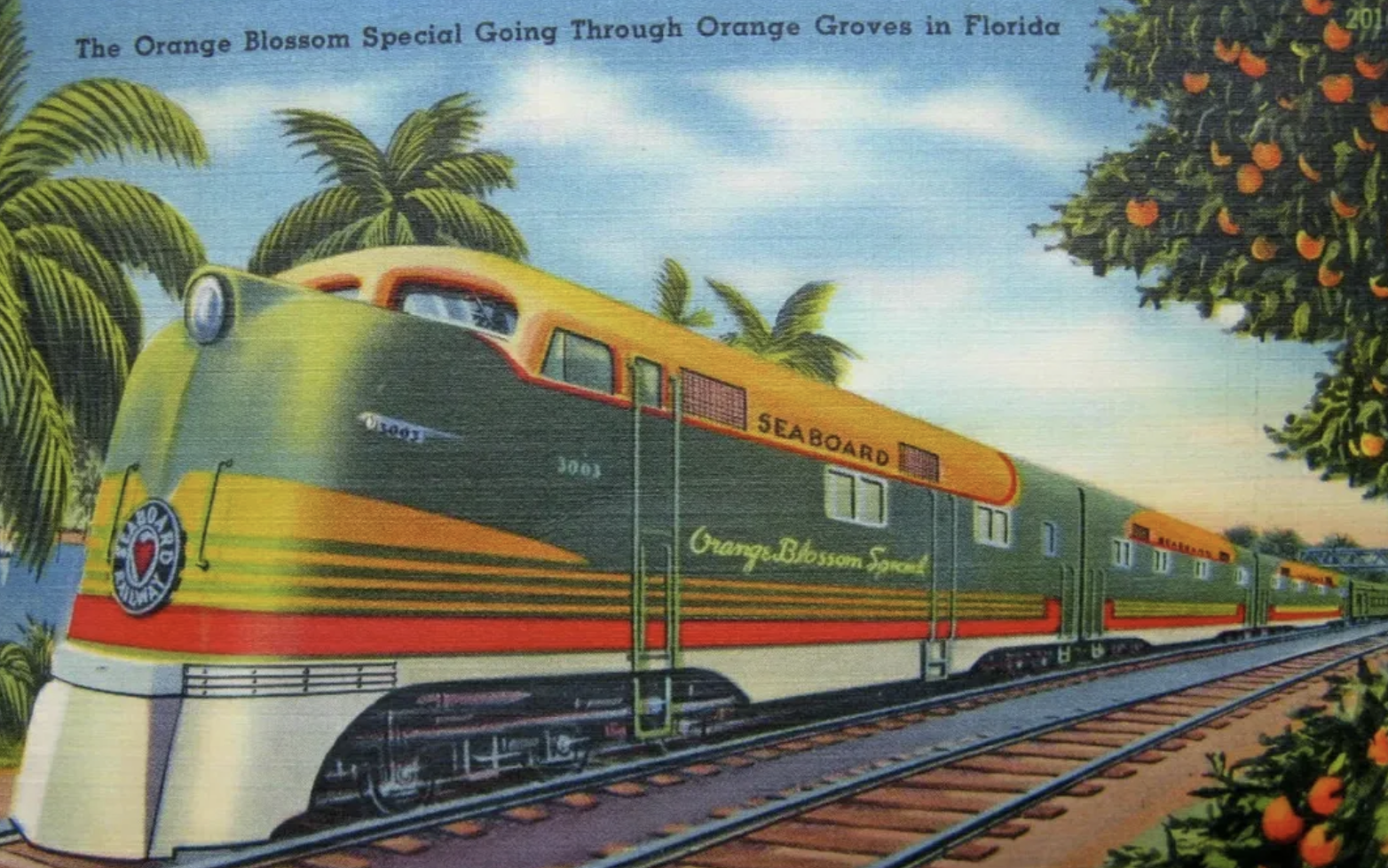
The Boynton band welcomed the sleek green, yellow and orange train filled with over 600 “titans of industry” who were interested in investing in Florida land.

Orange Blossom Express

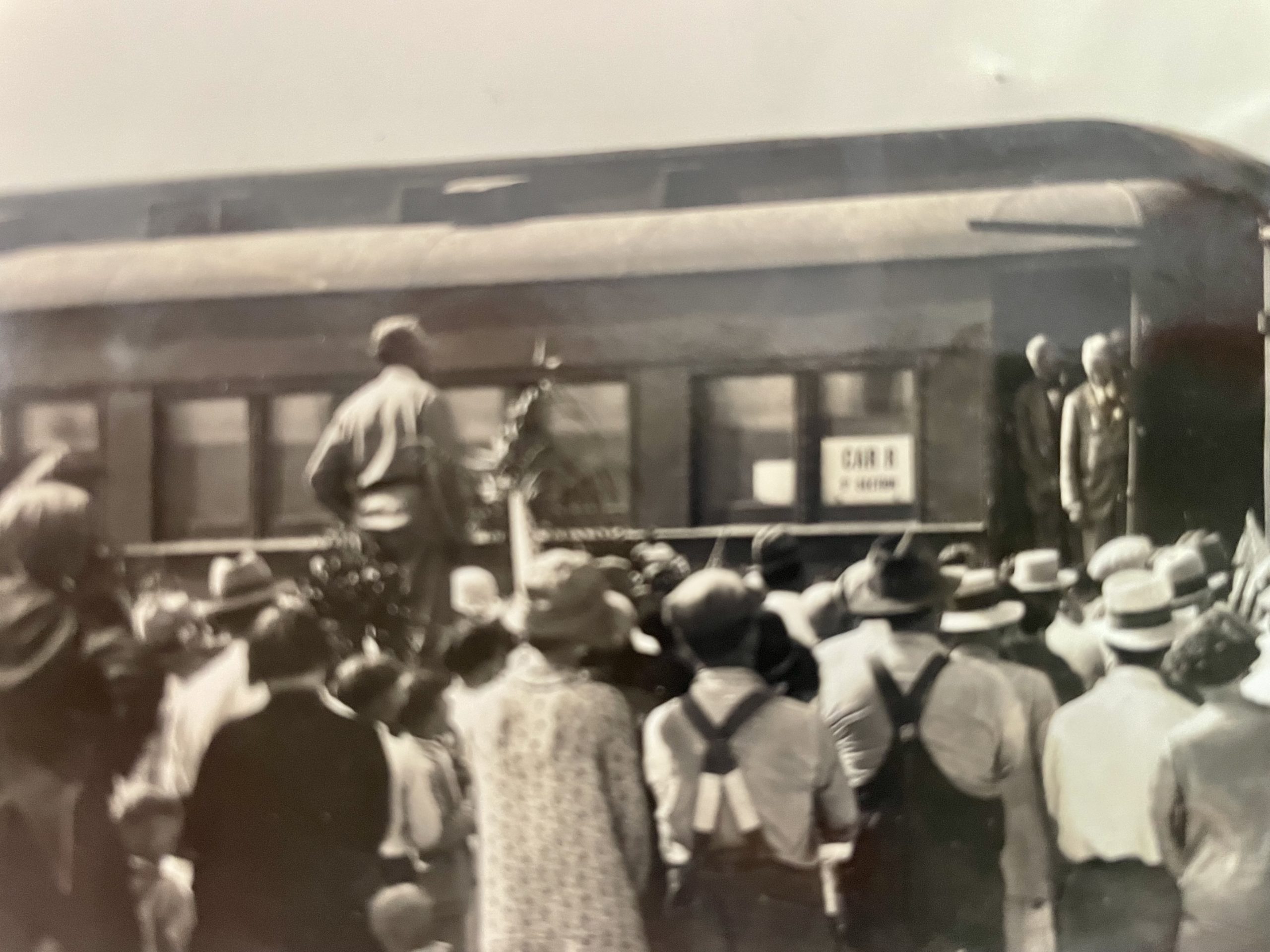
The prominent men who had traveled from New York to south Florida peered out the windows at the assembly.

Train with Mr. Warfield and Governor Martin

Boynton mayor Roy O. Myers had issued a special proclamation ordering all business houses to close from 8 am to 10 am and urged everyone to the Seaboard Air Line station to greet the train and dignitaries. Nearly the whole town turned out for the monumental event.

Decorated Seaboard Air Line station


Chamber of Commerce president Albert Edward Parker and the Boynton Boosters had decorated the Seaboard station in red, white, and blue, and small coconut palms greeted the spectators.  Men wearing suits with suspenders waved their hats, and farmers in overalls and work pants looked around curiously, Women carrying babies waved handkerchiefs, and schoolchildren stood on tiptoe or their father’s shoulders to view the extravaganza.


Boynton townsfolk greet the Orange Blossom Express

Two young women presented a flower bouquet to Mr. Warfield. He was also given a small wooden chest containing the key to the Town of Boynton. In a few minutes the gala was over, and the train raced south where similar events played out in Delray, Deerfield and Pompano.

Welcome at Boynton (09 Jan 1927, The Palm Beach Post).

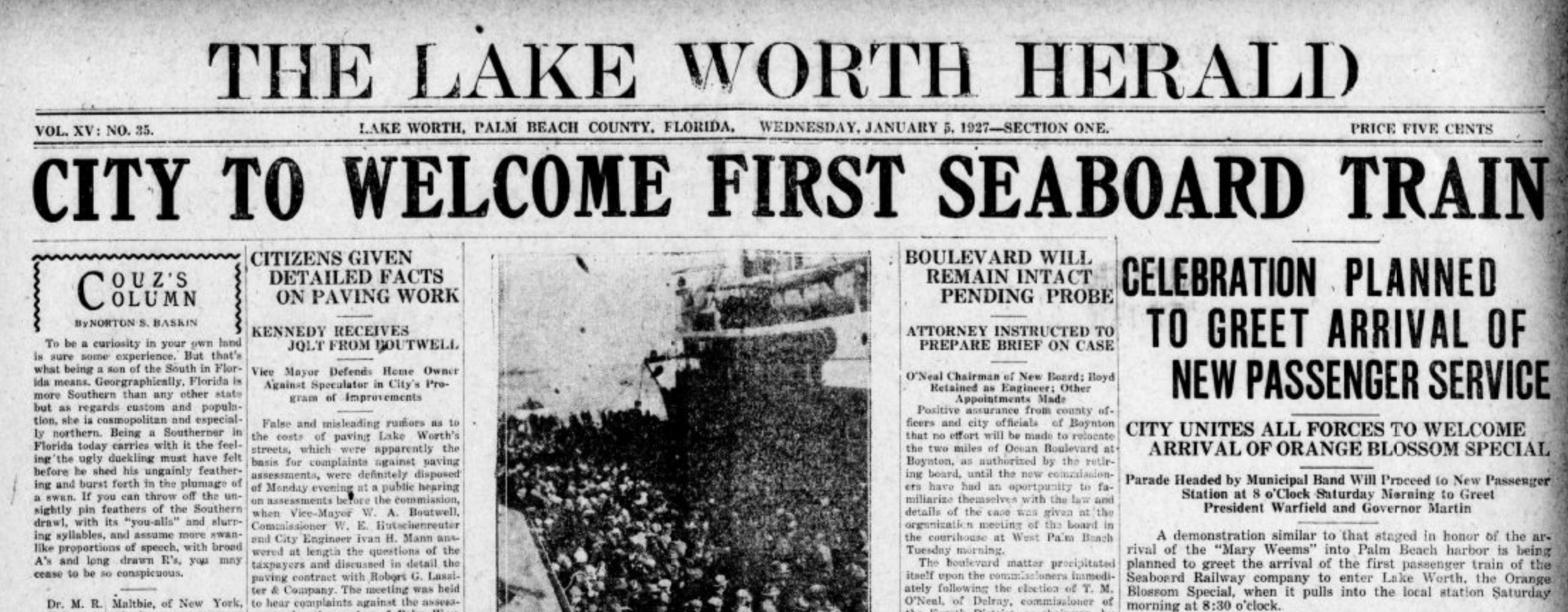
Lake Worth Herald