About Janet DeVries Naughton

Janet DeVries Naughton is the past president of the Boynton Beach Historical Society and an academic librarian and history professor at Palm Beach State College. The intrepid historic researcher and award winning author has contributed to and published over a dozen local history books. She has over two decades of experience in Florida libraries, museums and archives, and is available as a consultant for family history projects, books and personal archival collections.

Frozen in Time

Last week an envelope of late 1950s/early 1960s photographs arrived in our mailbox. The lovely 8″ by 10″ photographs were taken by popular lens man Stan Sheets. While Mr. Sheets took photographs for the Boynton Star, the Palm Beach Post and other local newspapers, he also captured street scenes of mid twentieth century Boynton Beach. His foresight to photograph everyday street scenes and share his images with friends and neighbors (in this case friend Charles Cassell), allows us to look back and see the charm of our town a half century ago.

Most of the photographs are not labeled, but careful scrutiny of the foreground, background, and other details give clues to the place and the date of the images, now frozen in time.
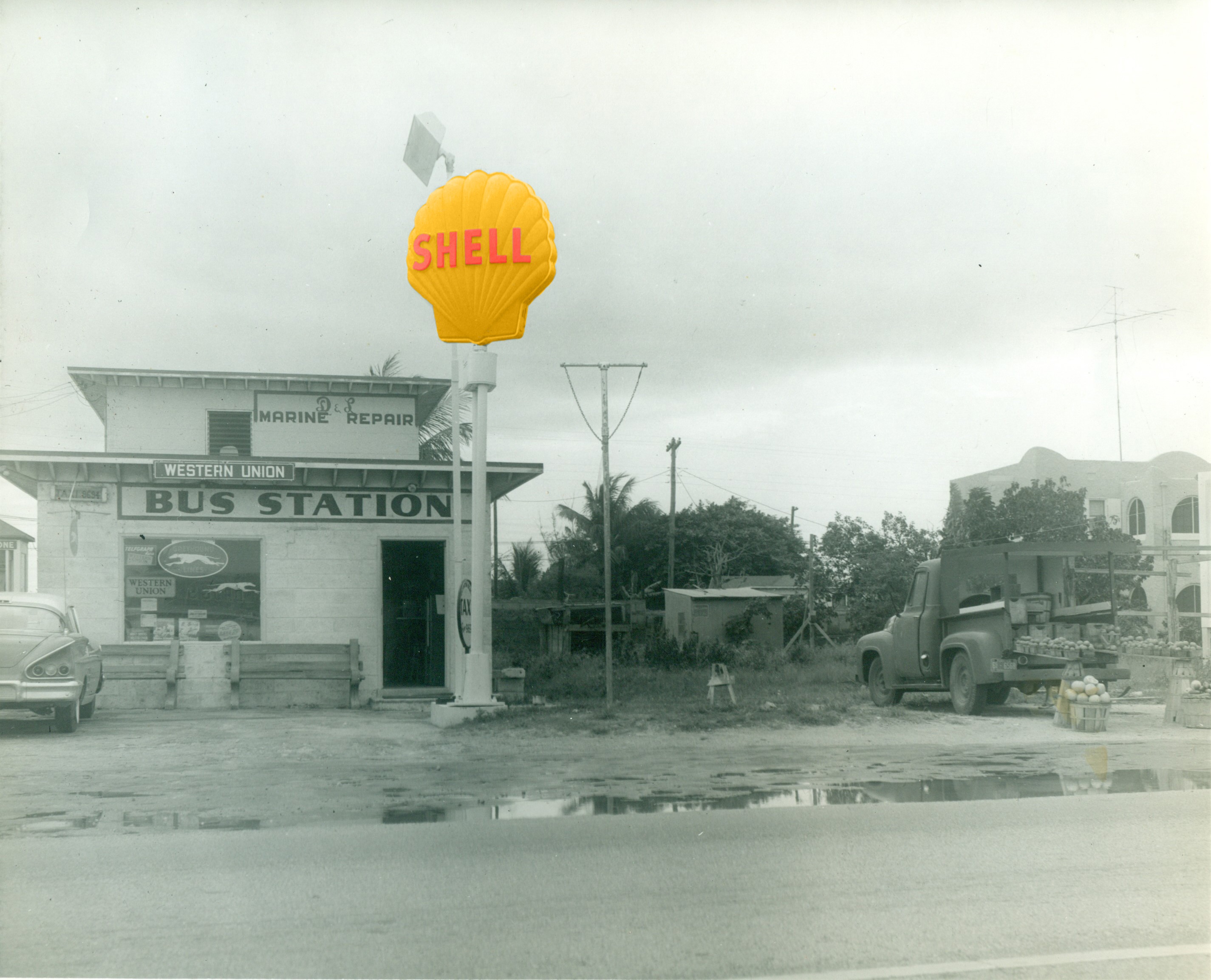
Photograph of Boynton Greyhound Lines Bus Station by Stan Sheets. Donated by Faith Cyr. Colorized by Ginger Pedersen.

Photograph of Boynton Greyhound Lines Bus Station by Stan Sheets. Donated by Faith Cyr. Colorized by Ginger Pedersen.

My favorite photograph is of the Greyhound Lines Bus Station. According to the 1959 Polk City Directory the bus station was located at 112 S. Federal Highway on the east side of Federal Highway about a block south of Ocean Avenue. What I find most amazing about this image is the details it captures.
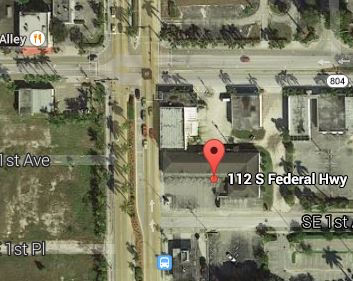
Google Map of 112 S. Federal Highway today

Google Map of 112 S. Federal Highway today

Look closely, and you will see that not only did this structure serve as the bus terminal; it played an important role in communication and transportation, two vital components of our town’s infrastructure.

Note the two benches outside the station, for waiting for the bus. Imagine how many people rested there over the years, perhaps to leave for college in Tallahassee or visit relatives in the north.  Picture the moms and dads tearfully waving white handkerchiefs as the buses pulled away. The station had a Western Union Telegraph Office, where you could send a telegram announcing you had arrived. “ARRIVED IN BOYNTON SAFELY STOP MISS YOU ALREADY STOP LOVE PATSY”
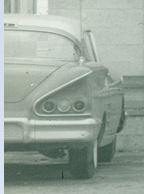
1958 Chevrolet Impala

1958 Chevrolet Impala

The telephone number for the local taxicab (9694) is displayed outside the station, and I spy a telephone booth in the far left of the frame, behind the 1958 Chevy Impala.

Try peering into the open door.  Barely visible inside is an old Coca Cola machine. The 6 oz. bottles of Coke from the vending machine likely cost 10 cents by 1960. The empty bottles fetched a 2-cent return value. The bus station probably sold many of those 10-cent cokes in the summer, as the station had no air conditioning. The structure had jalousie windows and the door is open to let in a breath of air.
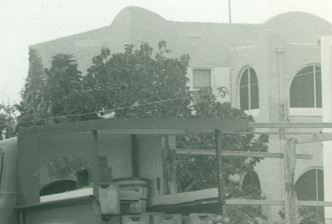
This home once belonged to the Joseph Kolendo family

This home once belonged to the Joseph Kolendo family

The house to the right of the frame once belonged to the Kolendo family. Joseph Kolendo, a building developer, was responsible for developing many of the single-family homes in Boynton in the 1950s.
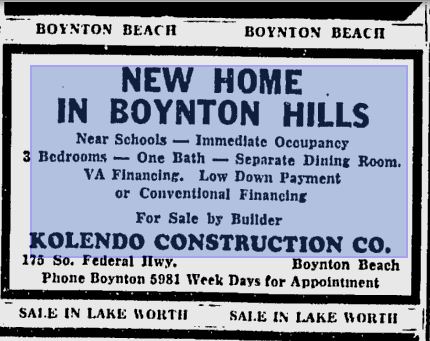
Advertisement for Kolendo Construction Company from 1955 Palm Beach Post.

Advertisement for Kolendo Construction Company from 1955 Palm Beach Post.


The house has a huge television antenna. Those were the days before cable TV, satellite dishes, or WiFi. The television was likely a black and white console with only a few TV stations reached by dial, probably WTHS, channel 2,WJNO, channel 5, WEAT, channel 12, WIRK, channel 21.

1950s logo of WPTV News Channel 5 NBC affiliate

1950s logo of WPTV News Channel 5 NBC affiliate

What is curious about the photo is the roadside citrus stand. An old pickup truck with a makeshift stand is peddling grapefruit and oranges.
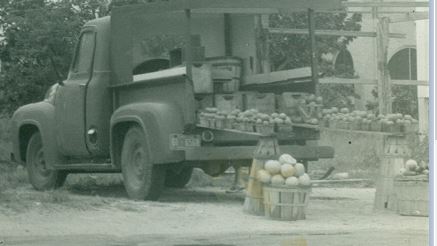
Roadside citrus stand

Roadside citrus stand

Behind the truck are several lean-to’s or storage sheds with an assortment of old junkyard type objects lying about.
Children's toys and other items piles atop the structures next to the bus station

Children’s toys and other items piles atop the structures next to the bus station

I spy a child’s old rusted tricycle on top of the haphazard pile. I guess the city didn’t have code enforcement in those days.

(Update: Wayne Kolendo tells us the small building with the tricyle, bike wheels and other items housed his bicycle repair/building shop. Kolendo was a mechanical entrepreneur during his high school years.).

While no gas pumps are visible, one can’t miss the iconic yellow and red Shell Oil Company sign with the 1955 emblem. Using modern day magic, the original photograph by Stan Sheets is again glowing brightly.
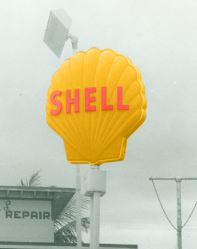
1955 Sign for Shell Oil Company

1955 Sign for Shell Oil Company

Next time you come across some old pictures, send them to us. You might see some of them featured here!

*If any readers know Mr. Sheets, please let him know we are interested in talking to him, and thanking him for capturing and preserving our history.

(8/21/14 update) We learned Stan Sheets left us in 2005. We are working with his family to honor him for his community support and for chronicling Boynton history.

We also found another photo of the bus station/Shell Station.
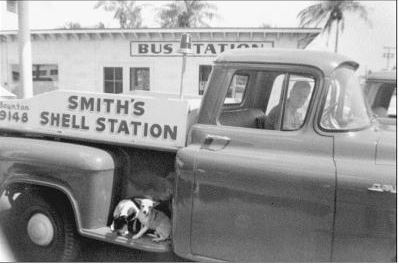
Jim Smith, owner of Smith's Shell Station in his truck. (Photo courtesy Wendy Smith Franklin)

Jim Smith, owner of Smith’s Shell Station in his truck. (Photo courtesy Wendy Smith Franklin)

Special thanks to:

  • Faith Cyr
  • Wendy Smith Franklin
  • Debra Kolendo
  • Ginger Pedersen
  • Stan Sheets
  • Historic Boynton Beach Facebook Fans

References for this story:

  • Car Gurus. http://www.cargurus.com/Cars/1958-Chevrolet-Impala-Pictures-c4308
  • Florida Television History. http://rogersimmons.com/florida-television-history/
  • GoogleMaps. https://www.google.com/#q=112+S+Federal+Hwy%2C+Boynton+Beach%2C+FL
  • Palm Beach Post
  • Polk City Directory
  • Shell Oil Company. http://www.shell.com/global/aboutshell/who-we-are/our-history/history-of-pecten.html
  • History of Coca Cola. http://www.worldofcoca-cola.com/coca-cola-facts/coca-cola-history/
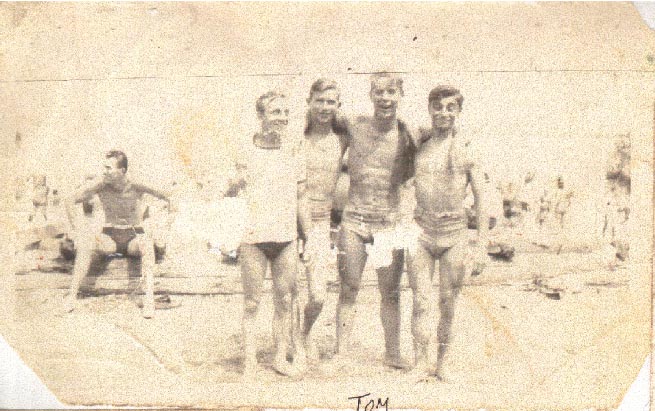
 

The “Other” Boynton Beach

In my days working as archivist for the Boynton Beach City Library, every once in a while I’d get a phone call from an enthusiastic caller who thought they discovered a rare image of Boynton Beach. I adore finding new (old) images of Boynton Beach, so you can imagine my excitement as I anticipated this revealing, deeper glimpse into the faded history of our fair city.

A group of young people enjoying the time at the shore.

A group of young people enjoying the time at the shore.

Envision my disappointment, and theirs, when I scrutinized the photograph and determined it was not Boynton Beach, Florida.

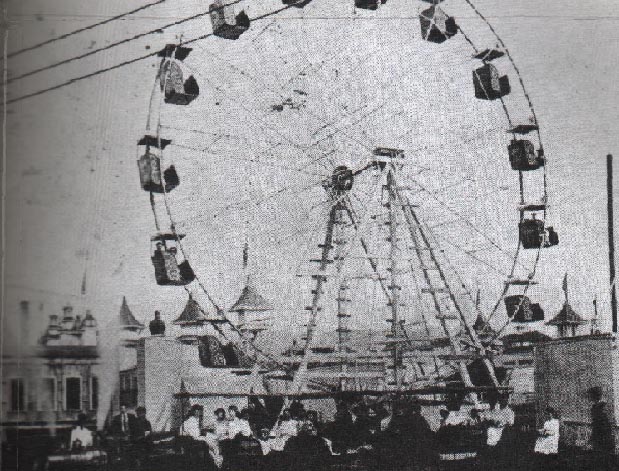
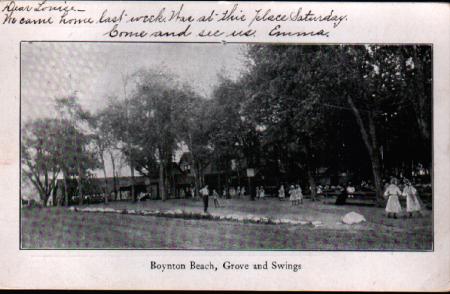
How did I know the images were not Boynton Beach? Well, the trees weren’t right (we had pines and palms). The big Ferris Wheel and merry-go-round, while resplendent for their time, weren’t representative of our Boynton Beach.

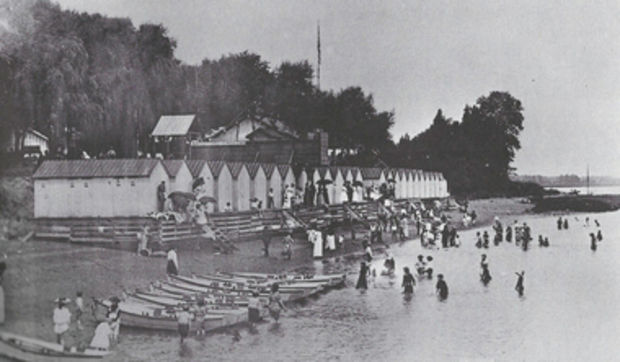
Beach-goers flocked to the New Jersey shore in the summer-time.

Beach-goers flocked to the New Jersey shore in the summer-time.

The other Boynton Beach, in this case, was a New Jersey waterfront resort established by another Boynton, Cassimer Whitman Boynton, a native of Maine. It was located in Woodbridge Township near Perth Amboy.


There are many similarities and even more differences in Boynton Beach, New Jersey and Boynton Beach, Florida.


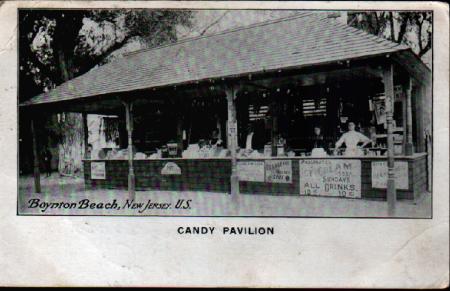
One of the amenities in Boynton Beach, New Jersey

One of the amenities in Boynton Beach, New Jersey

Similarities between Boynton Beach, New Jersey (also known as Sewaren) and the Boynton Beach Hotel in Florida.


  • Both places called Boynton Beach
  • Both established as resorts for wealthy northerners
  • Both on the waterfront
  • Both offered postcards as souvenirs to guests
  • Both had wooden hotels for guests to stay
  • Visitors arrived to both resorts via train or boat
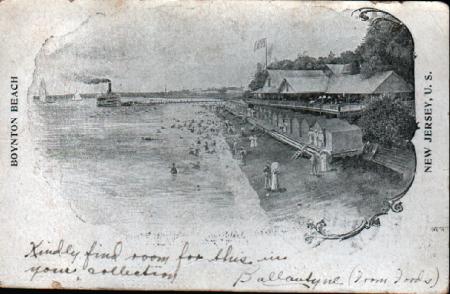
  • Both had a bathing beach with a bathhouse
  • Both had a shooting range
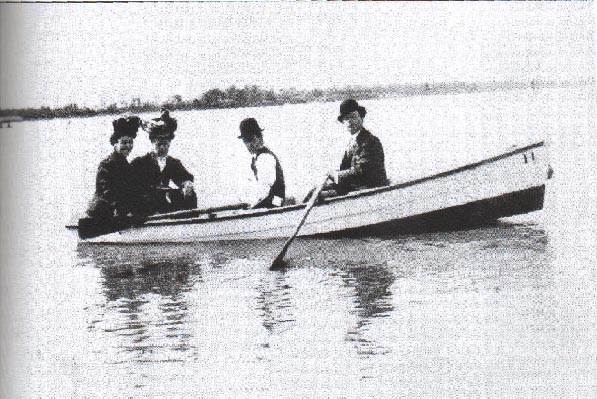
  • Both offered fishing and boating excursions
  • Both began in the late 1800s
  • Both the resort in New Jersey and the Hotel Boynton in Florida closed by 1925


Pleasure boating.

Pleasure boating.

Differences between Boynton Beach, New Jersey (also known as Sewaren) and the Boynton Beach Hotel in Florida (established by Major Nathan Smith Boynton of Port Huron, Michigan).


This undivided back postcard shows the bathing beach and bathhouses.

This undivided back postcard shows the bathing beach and bath houses.

  • Started by different Boynton families (they were both descendants of Sir Matthew Boynton)
  • The Boynton Beach in New Jersey attracted visitors in the summer months
  • The Boynton Beach in Florida attracted visitors in the winter months
  • The Boynton Beach in New Jersey offered amusement rides, a Nickelodeon, photographic booths and pony rides.
  • The Boynton Beach in New Jersey had a hot dog stand and an ice cream stand
  • The Boynton Beach in Florida offered dining in the Boynton Beach Hotel dining room. Meals were included for $2.00 a day in 1898.
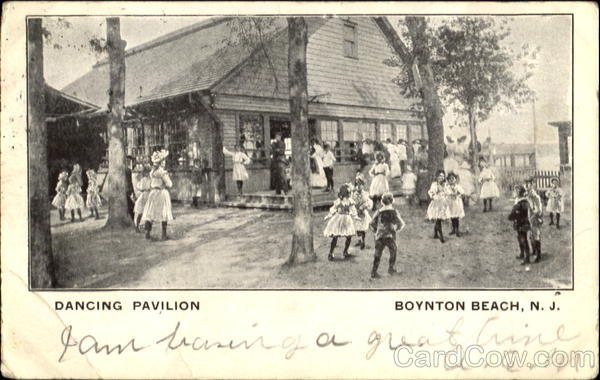
  • The Boynton Beach in New Jersey had a dance pavilion with live orchestra’s every Saturday in night in the summer.
  • The Boynton Beach in New Jersey had a pier.
The Ferris Wheel. Boynton Beach, New Jersey

The Ferris Wheel. Boynton Beach, New Jersey


Both of the resorts closed by 1925. The New Jersey property was sold to the Shell Oil Company. The Florida Boynton property was managed by A.E. Parker, Major Boynton’s son-in-law until 1925. The area is now known as Ocean Ridge.


The Dancing Pavillion. Boynton Beach, New Jersey

The Dancing Pavillion. Boynton Beach, New Jersey


The faded picture postcards of both Boynton Beach resorts are the remnants of this idyllic time in history.

Pre- 1907 postcard of Boynton Beach New Jersey.

Pre- 1907 postcard of Boynton Beach New Jersey.

More information about Boynton Beach in New Jersey may be found at the following websites:


Hatala, Greg. The Star Ledger. (2013)

http://www.nj.com/middlesex/index.ssf/2013/07/glimpse_of_history_cabanas_at_boynton_beach.html

History of Sewaren. http://mhswebtvprinting.tripod.com/wrcsewarenhistory.html.

ThatNJVideoGuy. Historical Boynton Beach. https://www.youtube.com/watch?v=VpnS1jlVxG0.

http://www.nj.com/middlesex/index.ssf/2013/07/glimpse_of_history_cabanas_at_boynton_beach.html

Trueger, V. Sewaren’s History. (2011) Garden State Legacy. Issue 11. http://gardenstatelegacy.com/files/Sewarens_Heyday_Troeger_GSL11_PRINT.pdf.


History treasures in your house?


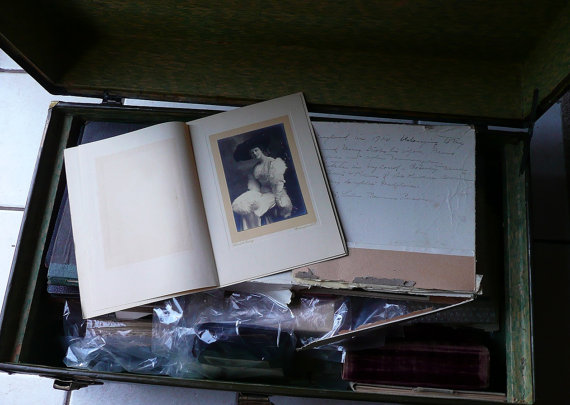
What treasures are in your house?

What treasures are in your house?

Do you have photo albums stored on the top shelf of your closet, buried deep in the attic or stowed some other place in your house?  What about that file box of old school awards and birthday cards or the shoebox full of postcards?

The items are probably mementos from your childhood, and likely illustrate people and places lost to time. Perhaps you inherited these items from a relative and you don’t know much about the people and places in the photographs.

House (just north of the Boynton Inlet) built in 1982 and torn down in 2000.

House (just north of the Boynton Inlet) built in 1982 and torn down in 2000.

Please do not throw them away.  Each scrap of paper, image, postcard, receipt and letterhead contains a link to the past. You never know how such information might reveal clues  to our history or provide valuable information to researchers and future generations.

Looking west from Manalapan to Hypoluxo Island. Circa 1912-1917.

Looking west from Manalapan to Hypoluxo Island. Circa 1912-1917.

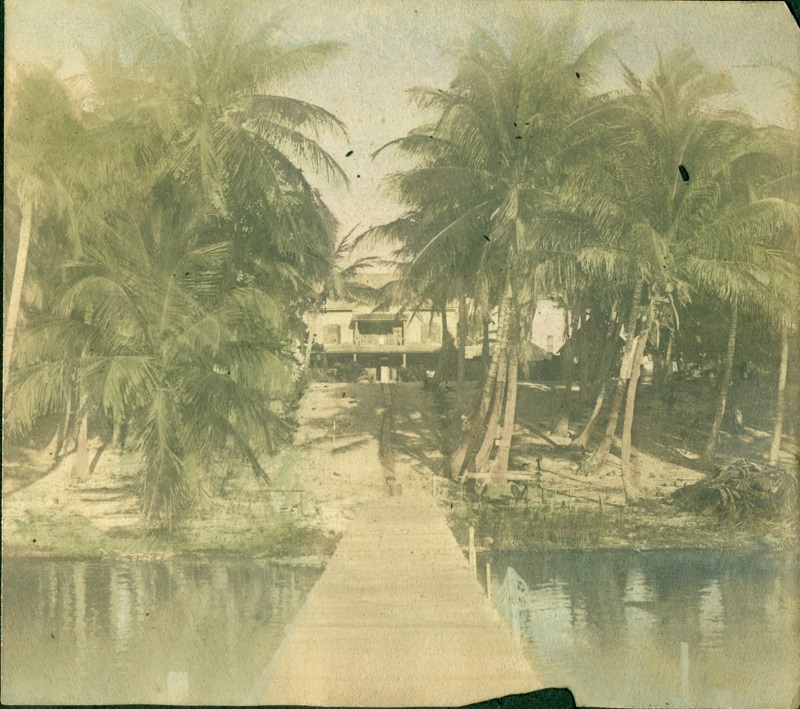
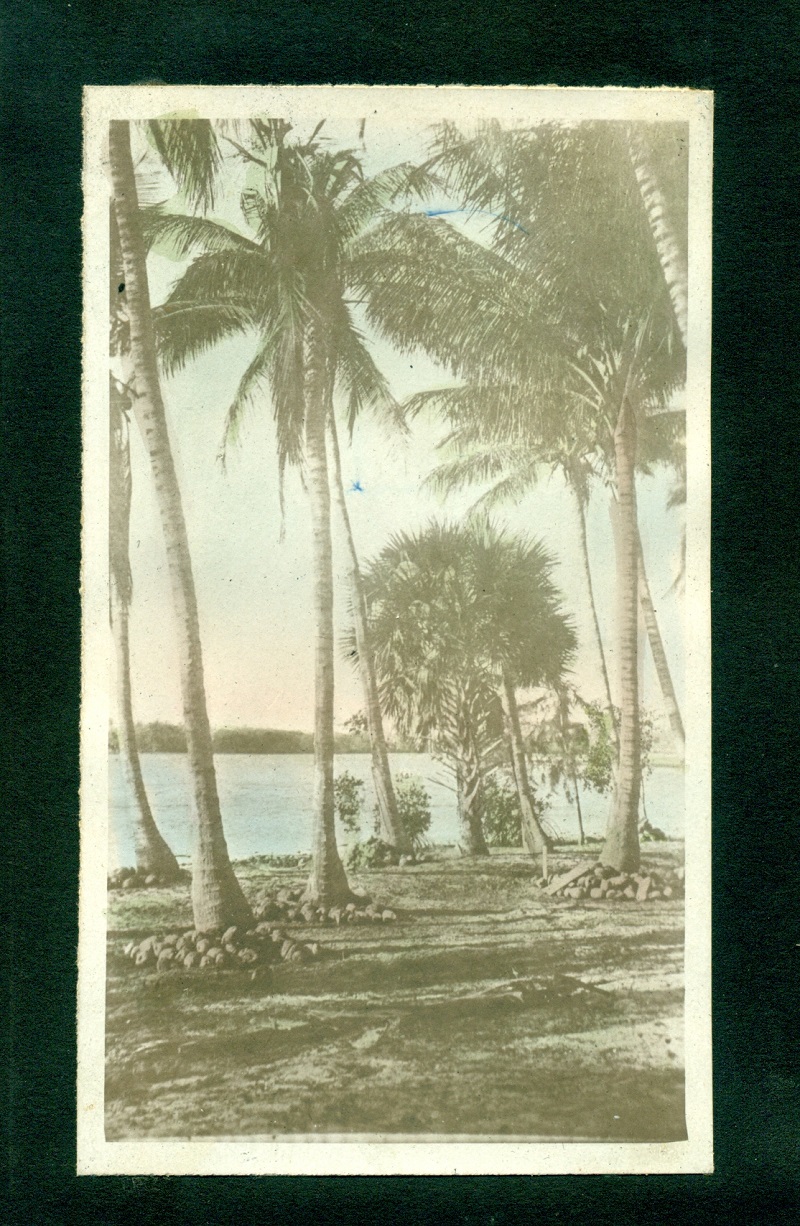
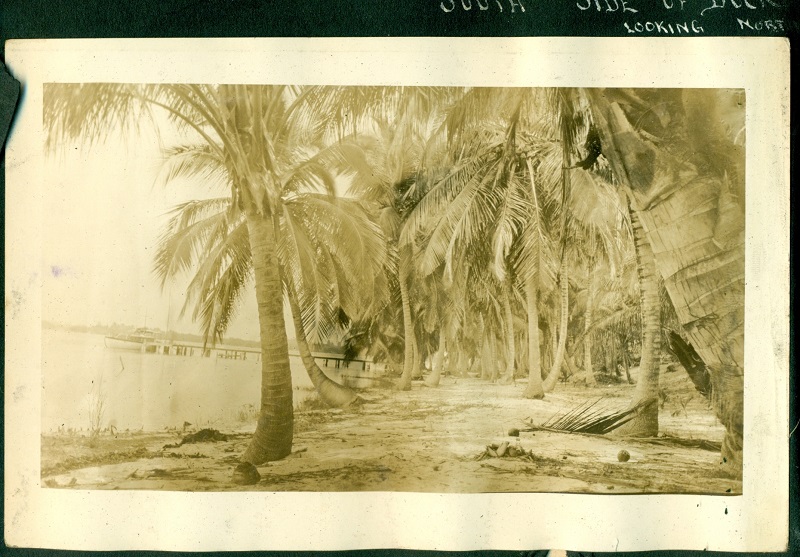
Case in point: I recently came across a 100-year-old photo album on the Internet. The album contained hundreds of images of coastal Palm Beach County prior to development.  Following clues discovered in the old album, I researched and uncovered the locations of the images and learned about the earliest families to live in the area we call Manalapan; the tropical paradise just north of the Boynton Inlet.

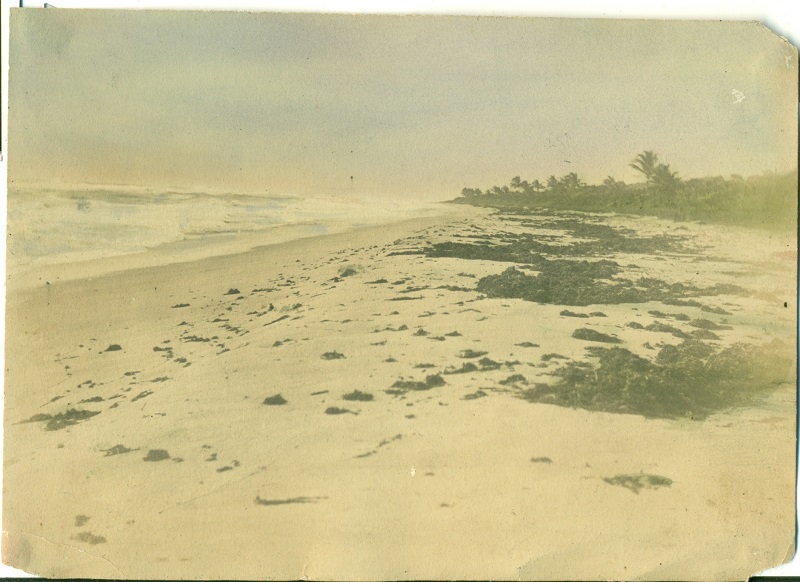
Image of our beach, circa 1912-1917, discovered in a discarded photo album full of coastal Palm Beach County photographs.

Image of our beach, circa 1912-1917, discovered in a discarded photo album full of coastal Palm Beach County photographs.

To learn  more about my “paradise found” in the August issue of The Coastal Star newspaper- click here to read it.

Next time you think about those dusty old photo albums stashed somewhere in your house, consider adding to the historical record by chronicling your family history. If you can’t remember who the people are, or where the images were taken, the historical researchers at the Boynton Beach Historical Society (and our members) might be able to figure it out. We refer you to the appropriate local or national repository.

Manalapan, Florida. circa 1914.

Manalapan, Florida. circa 1914.

Remember, please don’t throw our history away!

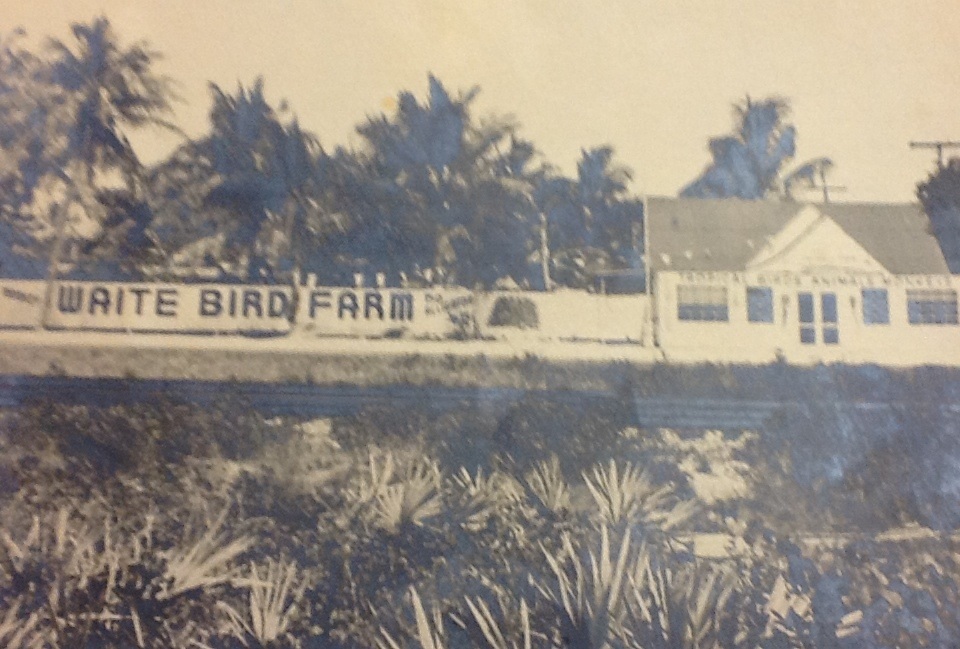
Boynton’s Waite Bird Farm

The Waite Bird farm, founded and operated by Howard and Angela Waite, served as a popular tourist attraction from 1947 to 1978.

Waite's Bird Farm

Waite Bird Farm

The bird farm, located on North Federal Highway at the Boynton city limits, once existed as the state of Florida’s largest breeder of rare and exotic birds.

The breeding farm first operated as the Lewis Bird Farm.

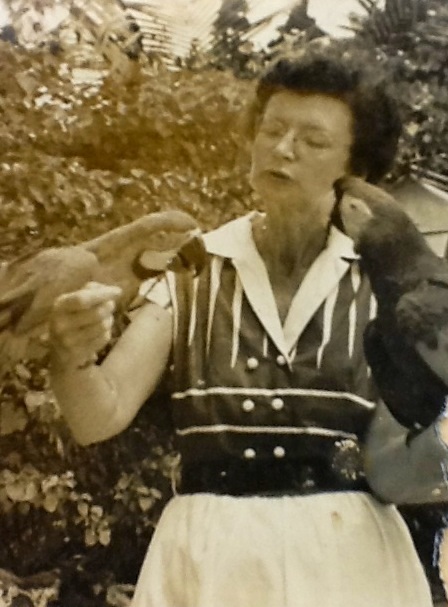
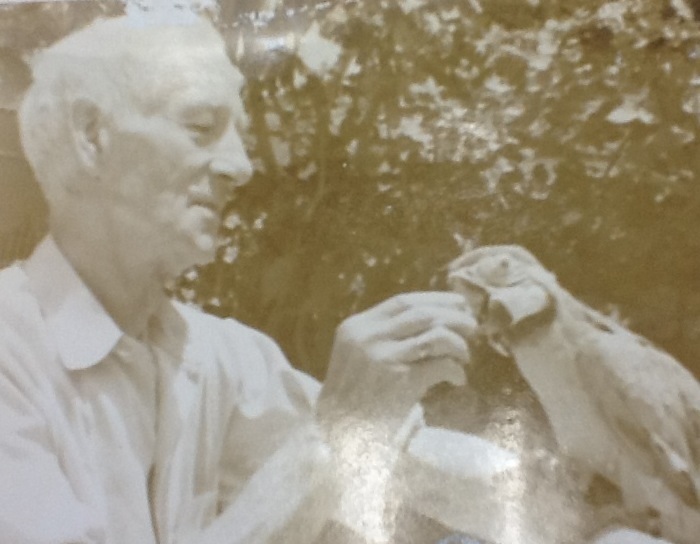
The Waites, along with son Howard, relocated to Lake Worth, Florida from Ohio in the early 1940s. Howard, formerly a radio engineer, married Angela Kellacky, a teacher from Chicago in 1928.

Angela Waite

Angela Waite

The Waites raised the birds in colonies, with Angela nurturing and hand feeding the fledglings and Howard traveling to Mexico to buy birds and other animals for the zoo and to sell.

Howard Waite, Sr.

Howard Waite, Sr.

The popular tourist attraction drew visitors from all over the state. People flocked to see the colorful parrots, toucans, ostriches, peacocks and macaws. The zoo at the Waite Bird Farm included giant tortoises, trained monkeys, alligators and a leopard.

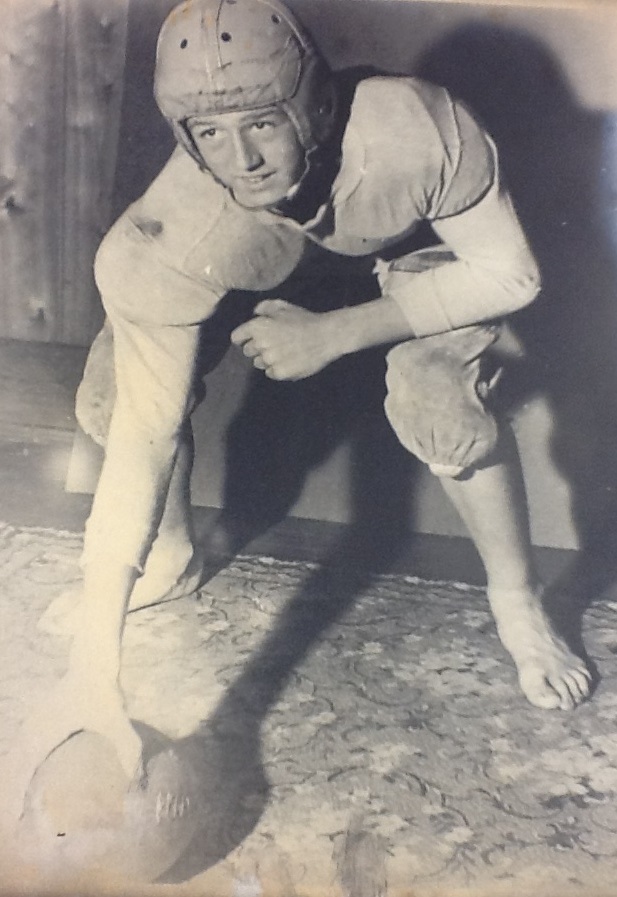
Growing up surrounded by animals and caring for sick species inspired Howard Waite, Jr. to study veterinary medicine at Alabama Polytechnic University (now Auburn University). Following his 1959 graduation he served as veterinarian for his family’s menagerie.

Howard Waite, Jr., high school football photograph

Howard Waite, Jr., high school football photograph

In the next few years, he, along with Charlie Camus and George Samra founded the Zoological Society of Palm Beach County which led to the 1969 establishment of  the the Dreher Park Zoo  (now the Palm Beach Zoo) with colleague Paul Dreher.

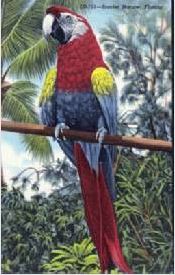
Scarlet Macaw

Scarlet Macaw

After the Florida Turnpike extended its concrete ribbon through South Florida, traffic passing the quaint landmark dwindled and condominiums and large stores replaced the allure and charm of roadside Florida.

The bird farm closed in 1960, however the Waites continued operating the business as a pet shop until 1978.

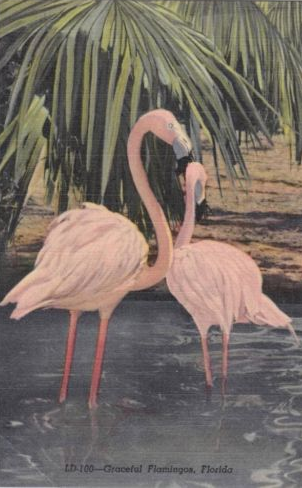
Pink Flamingos

Pink Flamingos

In the late 1970s and 1980s,  Howard Waite, Jr. used his artistic talent to contribute to the Florida Audubon and other wildlife magazines with his pen and ink drawings.

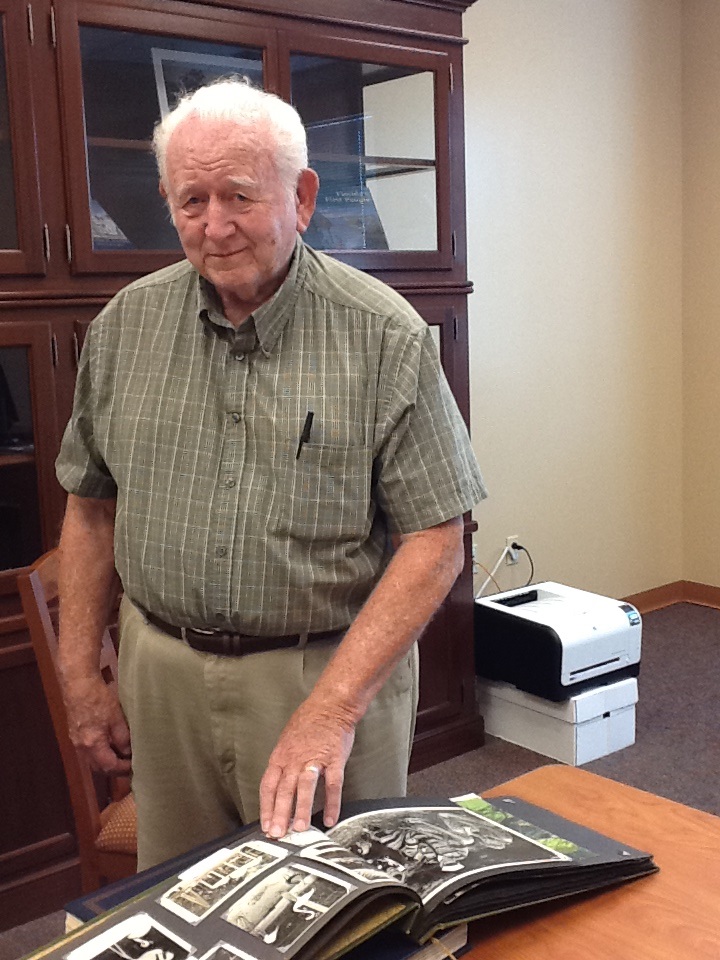
Today Howard “Bud” Waite lives in east Boynton Beach and is an active member of the Boynton Beach Historical Society. The building once housing Boynton’s exotic pet dealership stills exists on the corner of North Federal between Potter and Dimick Roads.

Dr. Howard "Bud" Waite, 2012

Dr. Howard “Bud” Waite, 2012

A Village Tragedy

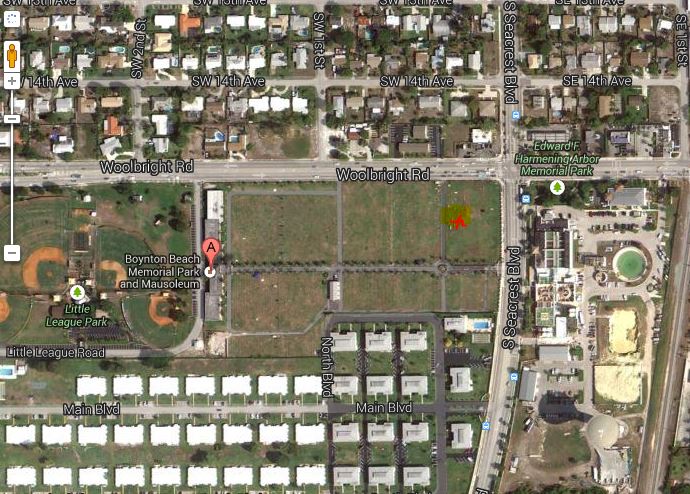
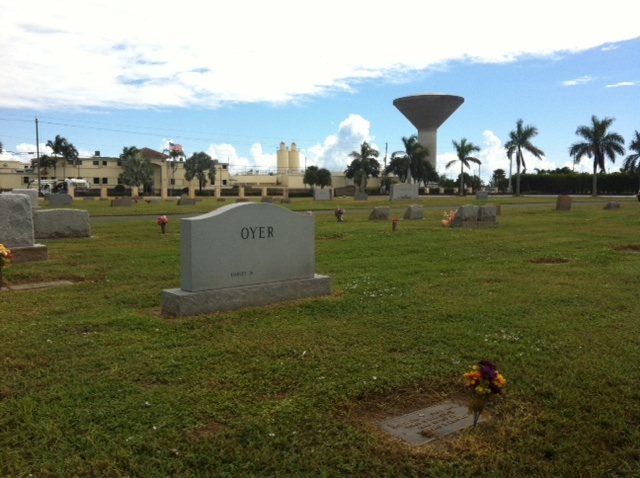
This cemetery is located on the southwest corner of Woolbright Road and Seacrest Blvd. The red X indicates the approximate location of Albert P. Bowens marker.

This cemetery is located on the southwest corner of Woolbright Road and Seacrest Blvd. The red X indicates the approximate location of Albert P. Bowens marker.

Boynton Memorial Park and Mausoleum, Ca. 2013.

Boynton Memorial Park and Mausoleum, Ca. 2013.

For nearly 20 years, I lived almost directly across the street from Boynton Memorial Park and Mausoleum, commonly called the Boynton Cemetery. The cemetery is the resting place for a number of my family members. I visit there fairly often, and find myself drawn to the old section.

Due to my ties to the community, the Boynton Beach Historical Society, and my propensity for historical research, many of the old family names greet me like old friends.


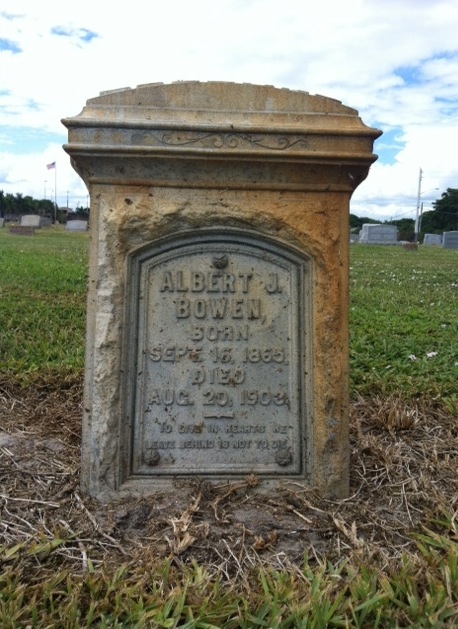
At some point, I found myself especially drawn to a rather lovely marker engraved with the name Albert J. Bowen. The dates on the monument indicate Bowen was born in 1865 and died in 1903. It dawned on me that his may be the earliest recorded death in this cemetery. Sure enough, according to Palm Beach County genealogist Marjorie Watts Nelson, Albert Bowen’s 1903 tombstone is the earliest legible marker in the cemetery.

When I realized this Boynton pioneer had lived less than 38 full years, I couldn’t help but wonder who this man had been and why his life had been cut short. What I found shocked and rocked me to the core! Poor Mr. Bowen suffered from a poisoning, a lethal poisoning!

Born in Ontario, Canada, in 1865 to Thomas Bowen and Tabitha Filmore Bowen, Albert J. was the fourth of six children, all boys. In 1878, the family immigrated to northern Michigan, where Albert J. Bowen and several of his brothers worked on the river as log drivers.

1900 Census Record

1900 Census Record

When he was 26 years old, Albert married Flora B. Ackley, then age 16, in Sheridan, Michigan. Flora was the daughter of George W. Ackley and Lucy Hall.

The family moved to Florida sometime in late 1900 or early 1901. How they ended up in Boynton remains a mystery. It is possible they heard about the farming opportunities in the Boynton area through Major Boynton’s Michigan Home Colonization project or they heard about the area from friends or relatives. As did many young families in Boynton at the time, the Bowen’s and their little daughters, Rosa (born around 1893) and Ruth (born about 1897) boarded at a rooming house. In this case, Flora Bowen helped with the housekeeping at the Freedlund House, operated by Joseph Freedlund. Albert worked as a truck farmer, planting fruits and vegetables for export to northern markets via Henry Flagler’s Florida East Coast Railway. I can only imagine how hard both worked in the tropical frontier without the comforts afforded by our generations. Still, perhaps to them this was paradise, a land of romance…

Their idyllic Florida dream came to a choking halt when Albert, only 37, met an untimely death from ingesting poison. The August 22, 1903 issue of Guy Metcalf’s newspaper, the Tropical Sun, bore the headline “Took Strychnine and Died in Agony: Tragic End of A.J. Bowen, of Boynton.”

died in agony

Took Strytocide and died in agonyAccording to the news article, Albert Bowen had worked hard all day in the fields, planting pineapple slips and came home tired and achy. He took some medicine and what he thought was quinine. Shortly after supper, he retired to his bedroom. Another boarder heard a disturbance and upon investigation found Bowen writhing in agony, screaming and convulsing. Joseph Freedlund went to West Palm Beach on the first train out and summoned Dr. Merrill, who rode back in a carriage driven by Richard Gardner, only to find Bowen’s soul had long left his body. His heart-broken wife and neighbors said Bowen made a mistake and took strychnine instead of quinine.

After the tragedy, Flora and the children, who were only nine and sixteen years old, must have left town. Losing Albert and staying in Boynton likely was too much to bear. The 1910 census shows Flora, Rosa and Ruth living with relatives in Pennsylvania. In 1917, 40 year-old Flora (occupation listed as dressmaker) married Ivan E. Smith, four years her junior, in Flint, Michigan. By then Flora and Alberts’ daughters would be grown women, probably with families of their own.

1917 Marriage Record - Flora Bowen and Ivan Smith

1917 Marriage Record – Flora Bowen and Ivan Smith

Albert Bowen’s headstone is engraved with the following words: “To Live in Hearts We Leave Behind is Not to Die.” At first I wondered why I was drawn to this marker and was compelled to research Albert Bowen 110 years after his death. I needed to tell his story, to make sure he is not forgotten.

-Rest in Peace A.J. Bowen-

Albert P. Bowen - 1865-1903

Albert P. Bowen – 1865-1903