Frozen in Time

Last week an envelope of late 1950s/early 1960s photographs arrived in our mailbox. The lovely 8″ by 10″ photographs were taken by popular lens man Stan Sheets. While Mr. Sheets took photographs for the Boynton Star, the Palm Beach Post and other local newspapers, he also captured street scenes of mid twentieth century Boynton Beach. His foresight to photograph everyday street scenes and share his images with friends and neighbors (in this case friend Charles Cassell), allows us to look back and see the charm of our town a half century ago.

Most of the photographs are not labeled, but careful scrutiny of the foreground, background, and other details give clues to the place and the date of the images, now frozen in time.
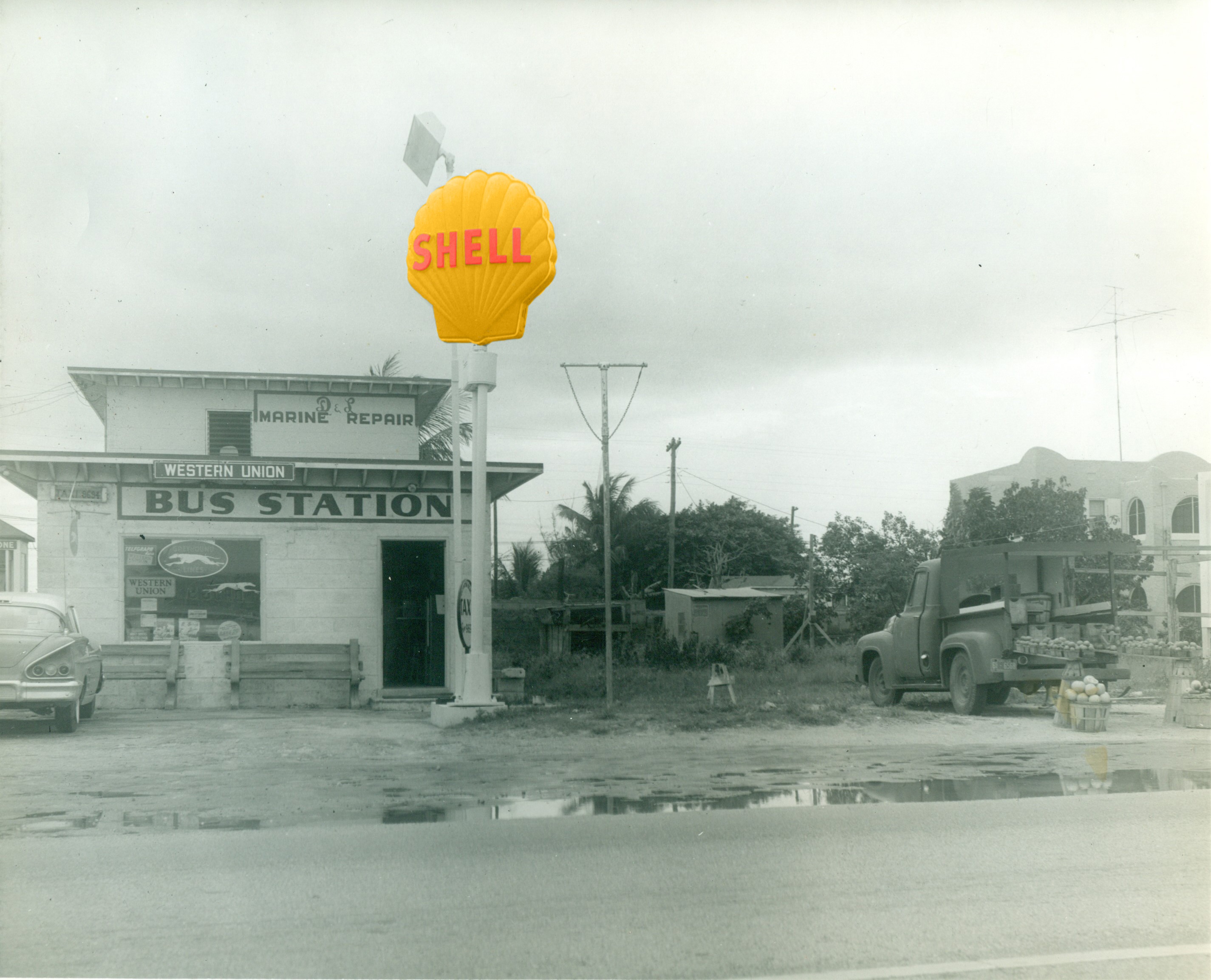
Photograph of Boynton Greyhound Lines Bus Station by Stan Sheets. Donated by Faith Cyr. Colorized by Ginger Pedersen.

Photograph of Boynton Greyhound Lines Bus Station by Stan Sheets. Donated by Faith Cyr. Colorized by Ginger Pedersen.

My favorite photograph is of the Greyhound Lines Bus Station. According to the 1959 Polk City Directory the bus station was located at 112 S. Federal Highway on the east side of Federal Highway about a block south of Ocean Avenue. What I find most amazing about this image is the details it captures.
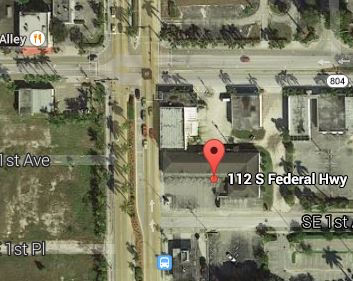
Google Map of 112 S. Federal Highway today

Google Map of 112 S. Federal Highway today

Look closely, and you will see that not only did this structure serve as the bus terminal; it played an important role in communication and transportation, two vital components of our town’s infrastructure.

Note the two benches outside the station, for waiting for the bus. Imagine how many people rested there over the years, perhaps to leave for college in Tallahassee or visit relatives in the north.  Picture the moms and dads tearfully waving white handkerchiefs as the buses pulled away. The station had a Western Union Telegraph Office, where you could send a telegram announcing you had arrived. “ARRIVED IN BOYNTON SAFELY STOP MISS YOU ALREADY STOP LOVE PATSY”
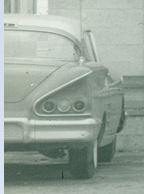
1958 Chevrolet Impala

1958 Chevrolet Impala

The telephone number for the local taxicab (9694) is displayed outside the station, and I spy a telephone booth in the far left of the frame, behind the 1958 Chevy Impala.

Try peering into the open door.  Barely visible inside is an old Coca Cola machine. The 6 oz. bottles of Coke from the vending machine likely cost 10 cents by 1960. The empty bottles fetched a 2-cent return value. The bus station probably sold many of those 10-cent cokes in the summer, as the station had no air conditioning. The structure had jalousie windows and the door is open to let in a breath of air.
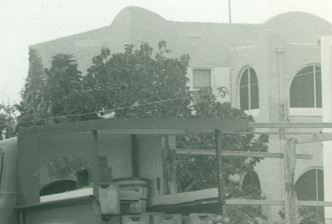
This home once belonged to the Joseph Kolendo family

This home once belonged to the Joseph Kolendo family

The house to the right of the frame once belonged to the Kolendo family. Joseph Kolendo, a building developer, was responsible for developing many of the single-family homes in Boynton in the 1950s.
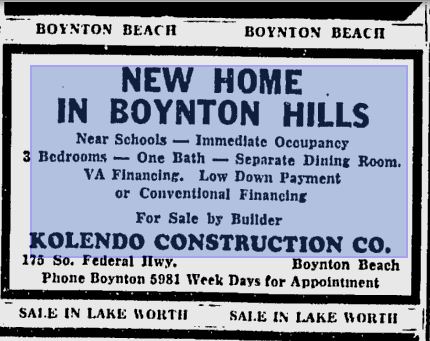
Advertisement for Kolendo Construction Company from 1955 Palm Beach Post.

Advertisement for Kolendo Construction Company from 1955 Palm Beach Post.


The house has a huge television antenna. Those were the days before cable TV, satellite dishes, or WiFi. The television was likely a black and white console with only a few TV stations reached by dial, probably WTHS, channel 2,WJNO, channel 5, WEAT, channel 12, WIRK, channel 21.

1950s logo of WPTV News Channel 5 NBC affiliate

1950s logo of WPTV News Channel 5 NBC affiliate

What is curious about the photo is the roadside citrus stand. An old pickup truck with a makeshift stand is peddling grapefruit and oranges.
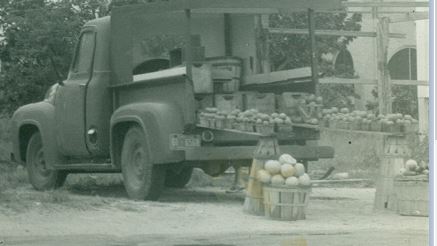
Roadside citrus stand

Roadside citrus stand

Behind the truck are several lean-to’s or storage sheds with an assortment of old junkyard type objects lying about.
Children's toys and other items piles atop the structures next to the bus station

Children’s toys and other items piles atop the structures next to the bus station

I spy a child’s old rusted tricycle on top of the haphazard pile. I guess the city didn’t have code enforcement in those days.

(Update: Wayne Kolendo tells us the small building with the tricyle, bike wheels and other items housed his bicycle repair/building shop. Kolendo was a mechanical entrepreneur during his high school years.).

While no gas pumps are visible, one can’t miss the iconic yellow and red Shell Oil Company sign with the 1955 emblem. Using modern day magic, the original photograph by Stan Sheets is again glowing brightly.
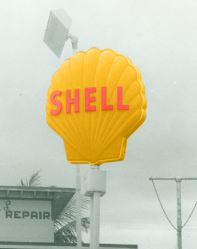
1955 Sign for Shell Oil Company

1955 Sign for Shell Oil Company

Next time you come across some old pictures, send them to us. You might see some of them featured here!

*If any readers know Mr. Sheets, please let him know we are interested in talking to him, and thanking him for capturing and preserving our history.

(8/21/14 update) We learned Stan Sheets left us in 2005. We are working with his family to honor him for his community support and for chronicling Boynton history.

We also found another photo of the bus station/Shell Station.
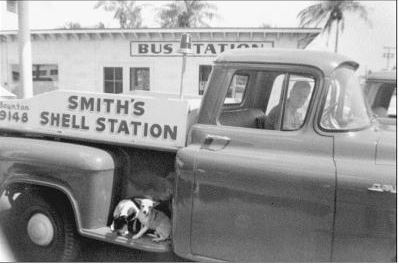
Jim Smith, owner of Smith's Shell Station in his truck. (Photo courtesy Wendy Smith Franklin)

Jim Smith, owner of Smith’s Shell Station in his truck. (Photo courtesy Wendy Smith Franklin)

Special thanks to:

  • Faith Cyr
  • Wendy Smith Franklin
  • Debra Kolendo
  • Ginger Pedersen
  • Stan Sheets
  • Historic Boynton Beach Facebook Fans

References for this story:

  • Car Gurus. http://www.cargurus.com/Cars/1958-Chevrolet-Impala-Pictures-c4308
  • Florida Television History. http://rogersimmons.com/florida-television-history/
  • GoogleMaps. https://www.google.com/#q=112+S+Federal+Hwy%2C+Boynton+Beach%2C+FL
  • Palm Beach Post
  • Polk City Directory
  • Shell Oil Company. http://www.shell.com/global/aboutshell/who-we-are/our-history/history-of-pecten.html
  • History of Coca Cola. http://www.worldofcoca-cola.com/coca-cola-facts/coca-cola-history/
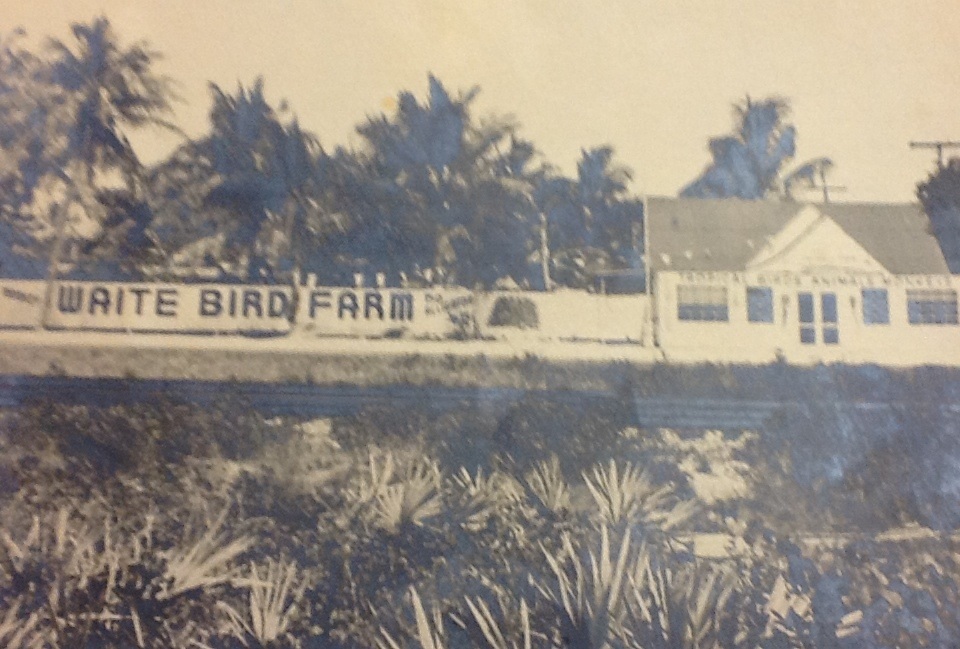
 

Boynton’s Waite Bird Farm

The Waite Bird farm, founded and operated by Howard and Angela Waite, served as a popular tourist attraction from 1947 to 1978.

Waite's Bird Farm

Waite Bird Farm

The bird farm, located on North Federal Highway at the Boynton city limits, once existed as the state of Florida’s largest breeder of rare and exotic birds.

The breeding farm first operated as the Lewis Bird Farm.

The Waites, along with son Howard, relocated to Lake Worth, Florida from Ohio in the early 1940s. Howard, formerly a radio engineer, married Angela Kellacky, a teacher from Chicago in 1928.

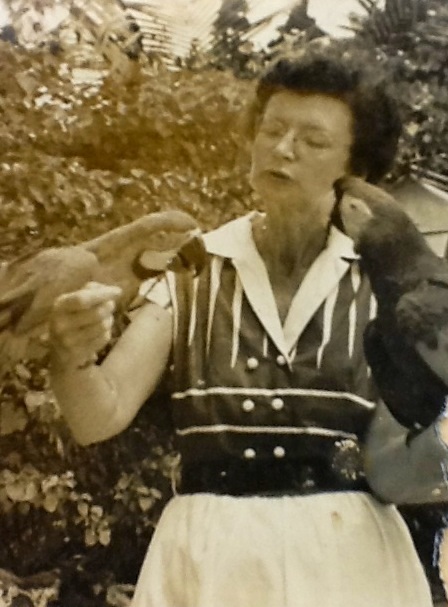
Angela Waite

Angela Waite

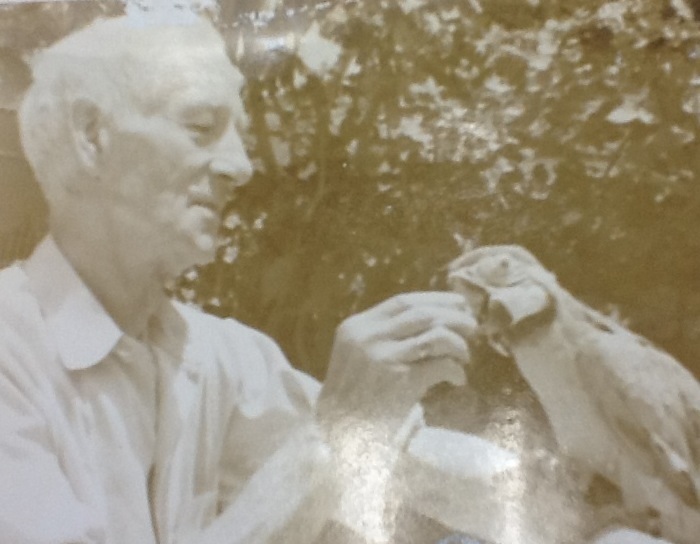
The Waites raised the birds in colonies, with Angela nurturing and hand feeding the fledglings and Howard traveling to Mexico to buy birds and other animals for the zoo and to sell.

Howard Waite, Sr.

Howard Waite, Sr.

The popular tourist attraction drew visitors from all over the state. People flocked to see the colorful parrots, toucans, ostriches, peacocks and macaws. The zoo at the Waite Bird Farm included giant tortoises, trained monkeys, alligators and a leopard.

Growing up surrounded by animals and caring for sick species inspired Howard Waite, Jr. to study veterinary medicine at Alabama Polytechnic University (now Auburn University). Following his 1959 graduation he served as veterinarian for his family’s menagerie.

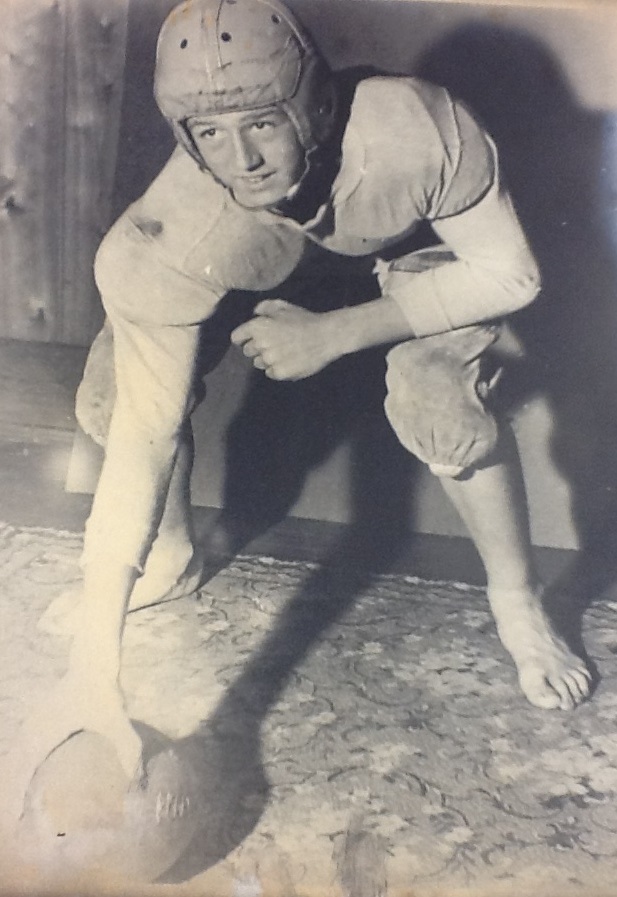
Howard Waite, Jr., high school football photograph

Howard Waite, Jr., high school football photograph

In the next few years, he, along with Charlie Camus and George Samra founded the Zoological Society of Palm Beach County which led to the 1969 establishment of  the the Dreher Park Zoo  (now the Palm Beach Zoo) with colleague Paul Dreher.

Scarlet Macaw

Scarlet Macaw

After the Florida Turnpike extended its concrete ribbon through South Florida, traffic passing the quaint landmark dwindled and condominiums and large stores replaced the allure and charm of roadside Florida.

The bird farm closed in 1960, however the Waites continued operating the business as a pet shop until 1978.

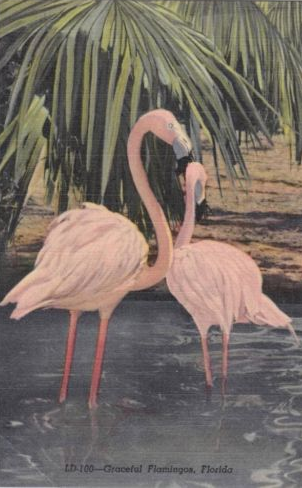
Pink Flamingos

Pink Flamingos

In the late 1970s and 1980s,  Howard Waite, Jr. used his artistic talent to contribute to the Florida Audubon and other wildlife magazines with his pen and ink drawings.

Today Howard “Bud” Waite lives in east Boynton Beach and is an active member of the Boynton Beach Historical Society. The building once housing Boynton’s exotic pet dealership stills exists on the corner of North Federal between Potter and Dimick Roads.

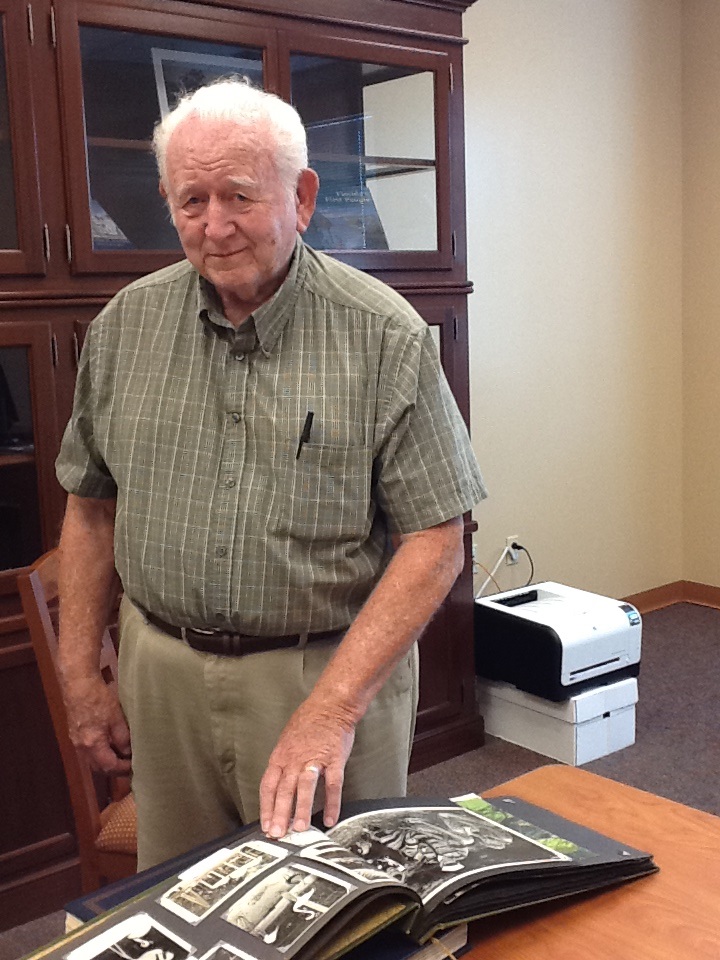
Dr. Howard "Bud" Waite, 2012

Dr. Howard “Bud” Waite, 2012

Jungle Fire: History of Boynton Beach Fire Rescue

For this blog we are pleased to have a another Boynton Beach Fire Department history installment from our resident guest blogger, Michael Landress of the Boynton Beach Fire Department

An interesting early morning structure fire during the late 1940s occurred at a tiny pub called the Jungle Inn Bar located in Briny Breezes. The inn was a popular drinkery owned and op…erated by a man called “Biggin” Baskin — aptly named due to his mountainous size.

The fire began as an unattended barbeque pit that was used inside the tavern collapsed in the wee hours of the morning, sending smoldering coals crashing to the ground. The unabated embers ignited the wooden floorboards and flames quickly rolled up the walls.

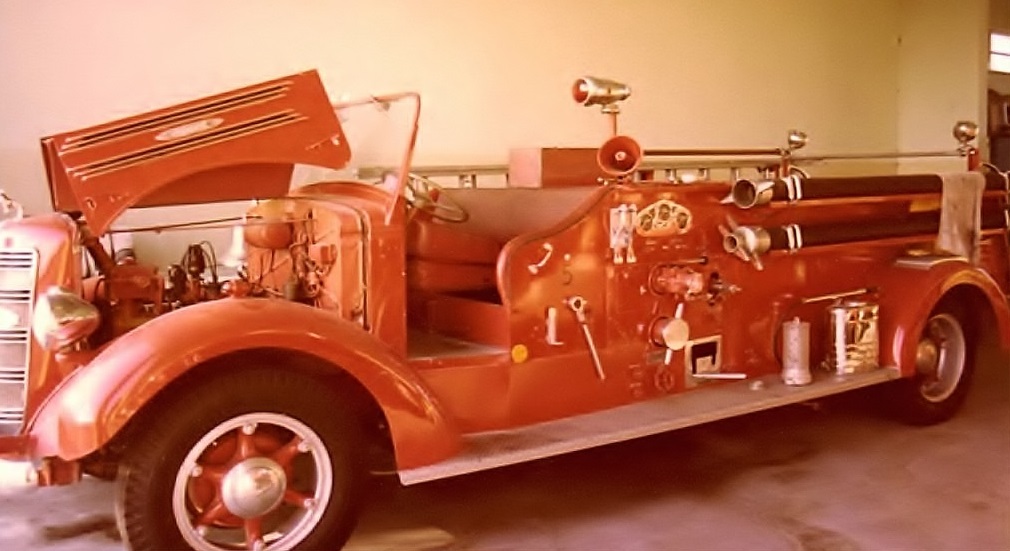
This 1946 Mack 500 GPM Piston Pumper is the truck used during the Jungle Inn Bar fire. The fire engine would prove its worth, as it was still in service in our department during the 1970s

This 1946 Mack 500 GPM Piston Pumper is the truck used during the Jungle Inn Bar fire. The fire engine would prove its worth, as it was still in service in our department during the 1970s

The department had recently purchased a 1946 Mack 500 GPM piston pumper and Boynton firemen responded to the blaze with the new engine. On arrival, they found the inn totally insulted by fire. They staged the fire engine parallel to the tangled mangroves and Intracoastal Waterway (ICW) in hopes of drafting water, as hydrants were few, or non existent.

In the chaos that ensued, the weary operator engineer [driver] stood aghast at the pump panel. Scratching his head in disbelief, he had forgotten the sequence for pumping. Fireman James I. Lacey then stepped up to the panel and quickly engaged the pump. As other firemen began to pull multiple sections of hose and nozzles from the engine, James deployed the hard suction, complete with strainer into the saltwater, thus beginning the drafting process.

They valiantly battled the blaze until dawn.

“It was saltwater, but it was wet. We pumped water until daybreak and finally extinguished the fire. It was a good thing because we noticed that our drafting hose and strainer were dangling in mid air. The water level had dropped considerably. We thought that we had drained the canal until we realized it was an outgoing tide! We all enjoyed a hearty laugh.”

~ Fireman Lacey

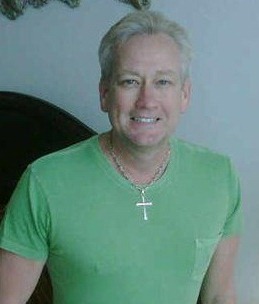
Michael Landress

Michael Landress

Michael Landress is a native Floridian and novice historian. He has spent the previous 15 years as a professional firefighter/paramedic for the City of Boynton Beach Fire Rescue Department. He holds a BA from St. Thomas University in Miami, Florida and his hobbies include; spending time with his two teenage sons, writing, photography, supporting the Miami Dolphins and saltwater fishing.

Quiet Hero

Written by Guest Blogger Michael Landress of the Boynton Beach Fire Department

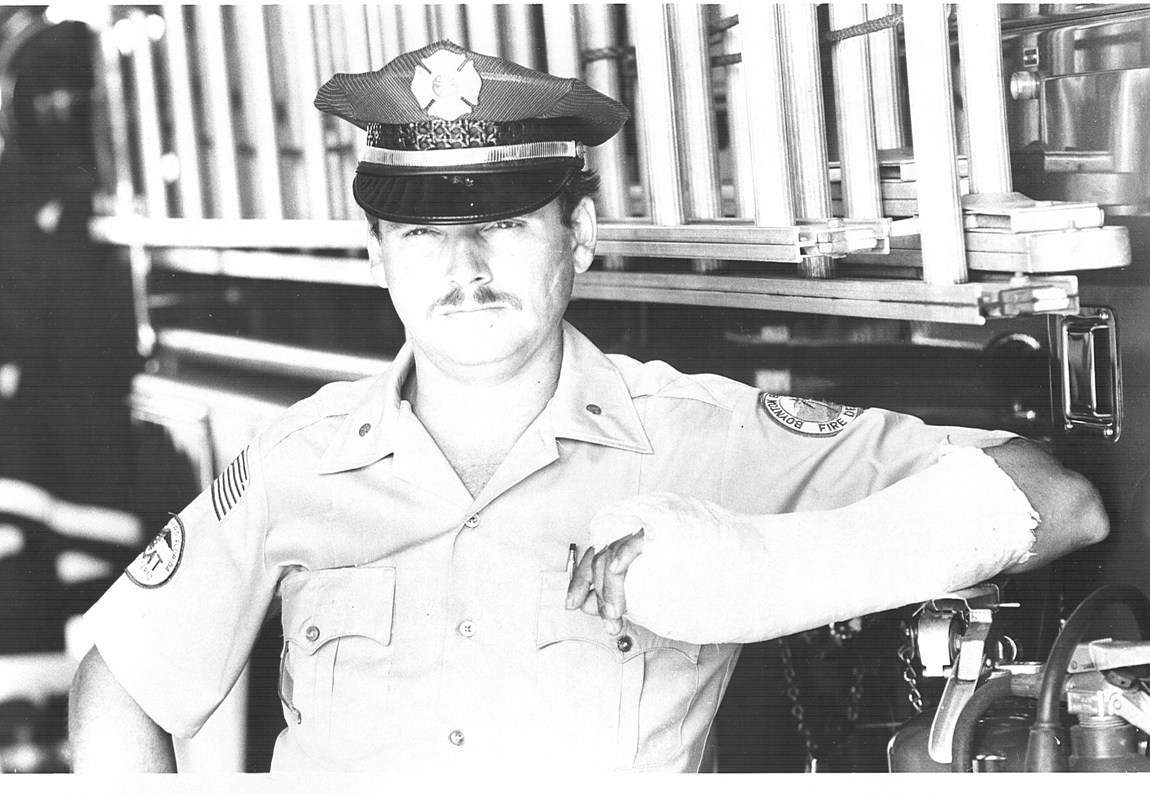
The 1970s were the beginning of the paramedic program for the Boynton Beach Fire Department. Fireman Gene Kight is credited with initiating the program along with medical directors Richard Vollrath and Charles Akes.

Gene became somewhat of a reluctant celebrity in the early ‘70s. On May 7, 1974, Gene was returning home from Miami after visiting with the City of Miami Fire Department’s Rescue Division. Traveling north on Interstate 95, Gene was waved down by other motorists and asked to assist in the rescue attempt of a crane operator working nearby.

Gene Kight, Image courtesy The National Enquier

Gene Kight, Image courtesy The National Enquier

The operator had raised the boom of the crane tangling it in a web of overhead high tension electrical wires. The man was actually being electrocuted as Gene approached the scene. In a perilous move, and with nothing more than a pair of gloves for protection, Gene pulled the man from the crane, thus saving his life. Gene received third degree burns to his left arm.

Gene’s bravery did not go unnoticed by the local newspapers. Numerous articles were featured in the papers calling Gene a true hero. Miami Fire Chief, D.A. Hickman, sent a letter to Boynton Beach Fire Chief E. Wright on Gene’s behalf.

Perhaps the most exciting recognition he received was a letter of appreciation from the President of the United States, Gerald R. Ford. Gene was also named the “1974 Florida Fireman of the Year” by the Florida State Firemen’s Association for his unselfish act of heroism.

Gene continued his work in developing and enhancing the paramedic program until his retirement in 1997. Author’s note; although I did not have the opportunity to work with Gene during his distinguished career, I have had the pleasure of meeting him on several occasions, and believe it when I write, he is a quiet hero!

Michael Landress

Michael Landress


Michael Landress is a native Floridian and novice historian. He has spent the previous 15 years as a professional firefighter/paramedic for the City of Boynton Beach Fire Rescue Department. He holds a BA from St. Thomas University in Miami, Florida and his hobbies include; spending time with his two teenage sons, writing, photography, supporting the Miami Dolphins and saltwater fishing.

Happy 100th Birthday to the Boynton School!

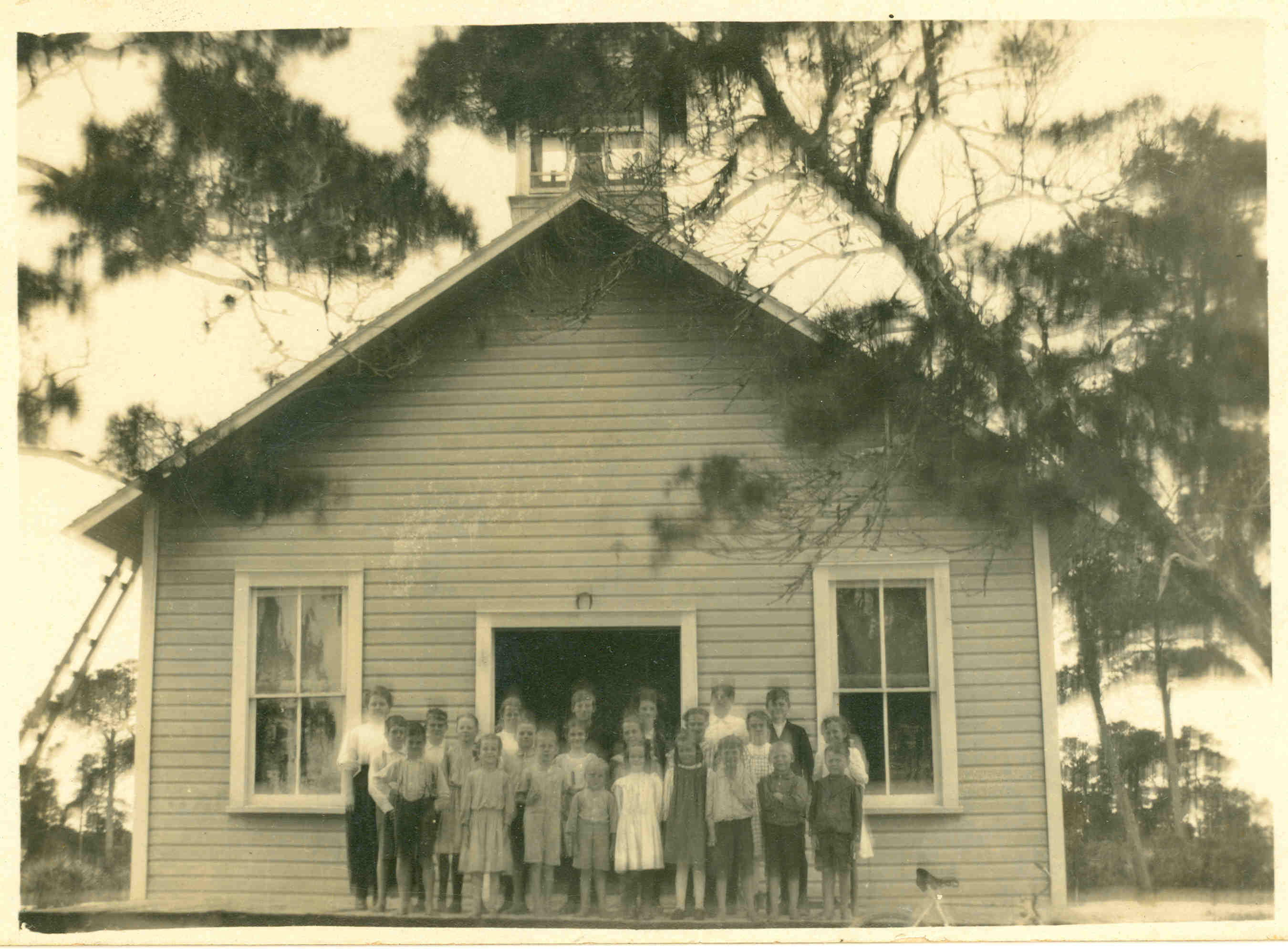
1st Permanent Schoolhouse in Boynton, ca. 1907

1st Permanent Schoolhouse in Boynton, ca. 1907

It is hard to imagine a Boynton Beach without a schoolhouse. In 1895, only a handful of people lived here, and for most of those, formal education was unnecessary. Between 1900 and 1910, the little settlement, known simply as Boynton, grew in population from less than 100 people to nearly 700.

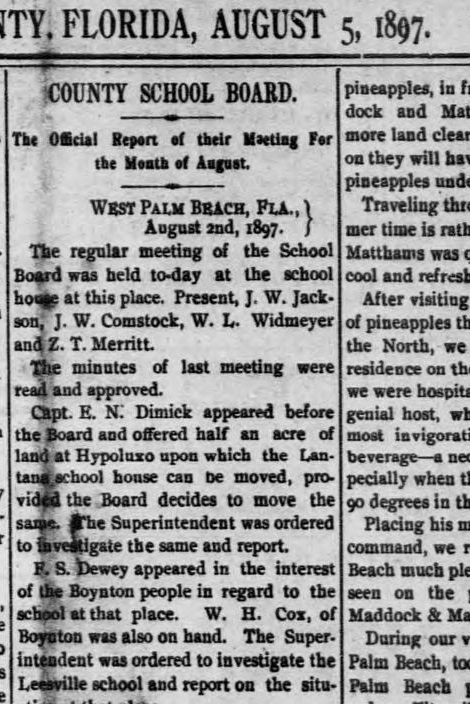
Though they had no children of their own, Fred and Byrd Spilman Dewey recognized the need for a school in the growing settlement of Boynton. In 1897, Fred S. Dewey appeared before the school board and petitioned for a Boynton school, as reported in the August 5, 1897 Tropical Sun. A small, one-room schoolhouse on stilts was erected on land donated by the Deweys, in the area of the present day Dewey Park (Ocean Avenue and NE 4th Street). Miss Maude Gee was the first teacher, referred to in the Tropical Sun as Boynton’s “Instructoress.” A makeshift school for African-Americans; known at that time as a “Colored School” opened in 1896 in the area of today’s Poinciana School.

Article from Tropical Sun

Article from Tropical Sun


Albert P. Sawyer donated the land for the first permanent schoolhouse for White children, from his Sawyer’s Addition to the Dewey’s original Town of Boynton plat on November 29, 1902. In 1904 the two-room wooden school which was located near present-day Ocean Avenue and Seacrest Blvd. (then Green Street) opened with W.S. Shepard as Principal and Agnes Halseth as teacher. A few years later, in 1909, Palm Beach County was carved out of Dade County.

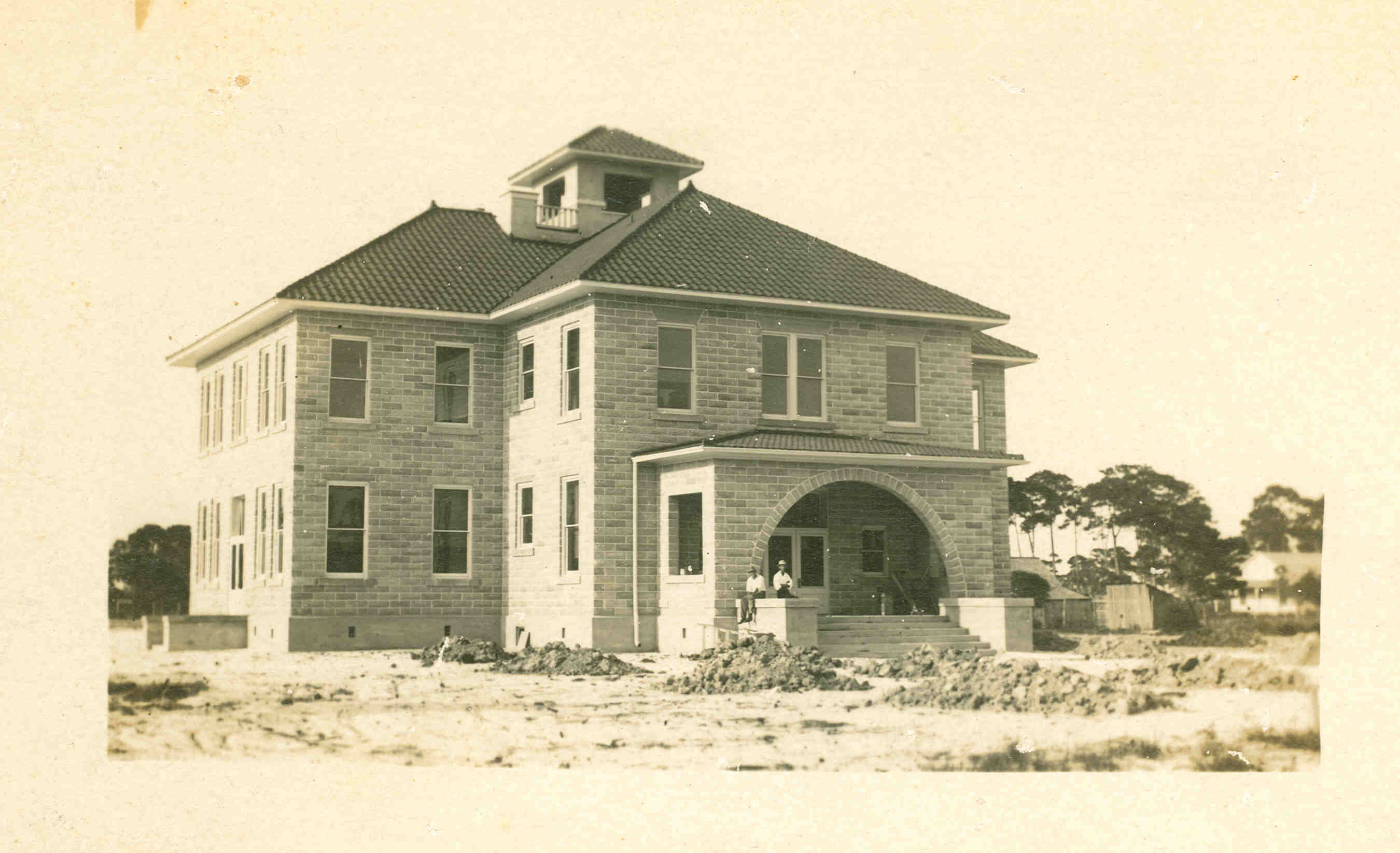
The Boynton School, ca. 1913

The Boynton School, ca. 1913

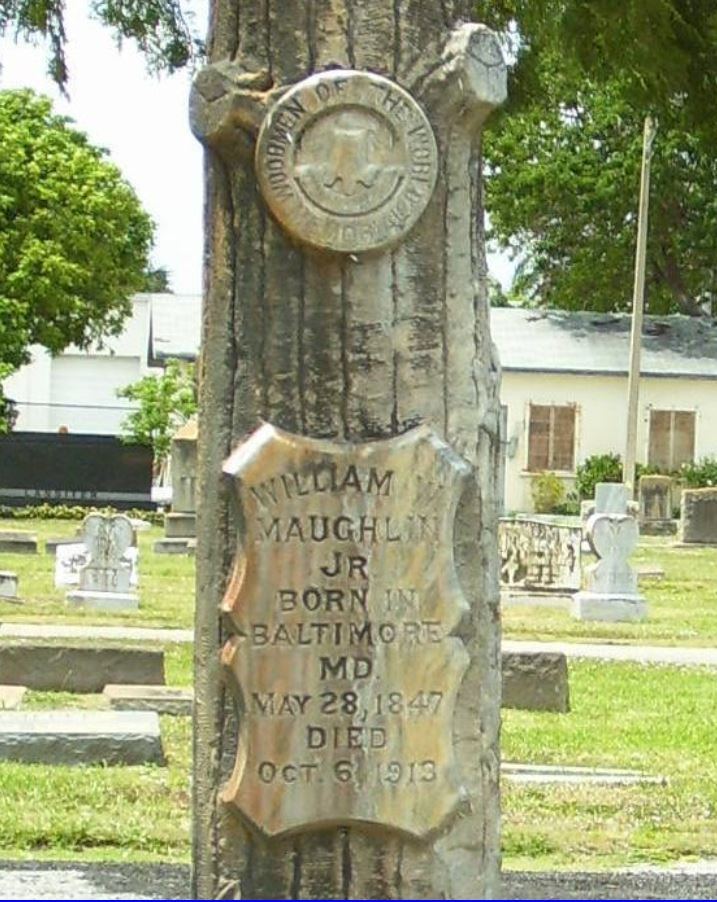
In 1912, the Palm Beach County School Board approved a contract with A. Mellson to construct the first part of a new school building. The original plan left the upstairs unfinished and did not include the fire escape. The Board approved a contract for William W. Maughlin, an architect from Baltimore to design a new masonry vernacular school. Maughlin, born in 1847, had previously designed the Palm Beach High School in 1908-1909 and was a draftsman for the Florida East Coast Hotels. Maughlin and his firm of Ruggles and Weller constructed the schoolhouse. The Boynton School was Maughlin’s last project, he passed away suddenly in October 1913 at his office and is buried in Woodland Cemetery.

Architect Wm. Maughlin's Woodmen of the World Monument (1847-1913) at Woodlawn Cemetery.

Architect Wm. Maughlin’s Woodmen of the World Monument (1847-1913) at Woodlawn Cemetery.

In December, 1912, the Board of Instruction authorized work to be completed on the two-story, six classroom building. The structure, one of the first in Boynton to feature indoor plumbing, had a signature portico, large sash windows and transom windows to facilitate the flow of sunlight and fresh air. The floors were made from Dade County Pine, and walls affixed with bead board.

The sturdy school featured a new system in masonry, known as Dunn Tile. The molds, designed by the W.E. Dunn Mfg. Co. of Chicago, the largest manufacturer to make concrete block forms, transformed the building industry. The Dunn Co. used a revolutionary concrete and plaster mixer to make concrete  for block, a precursor to the concrete block house.

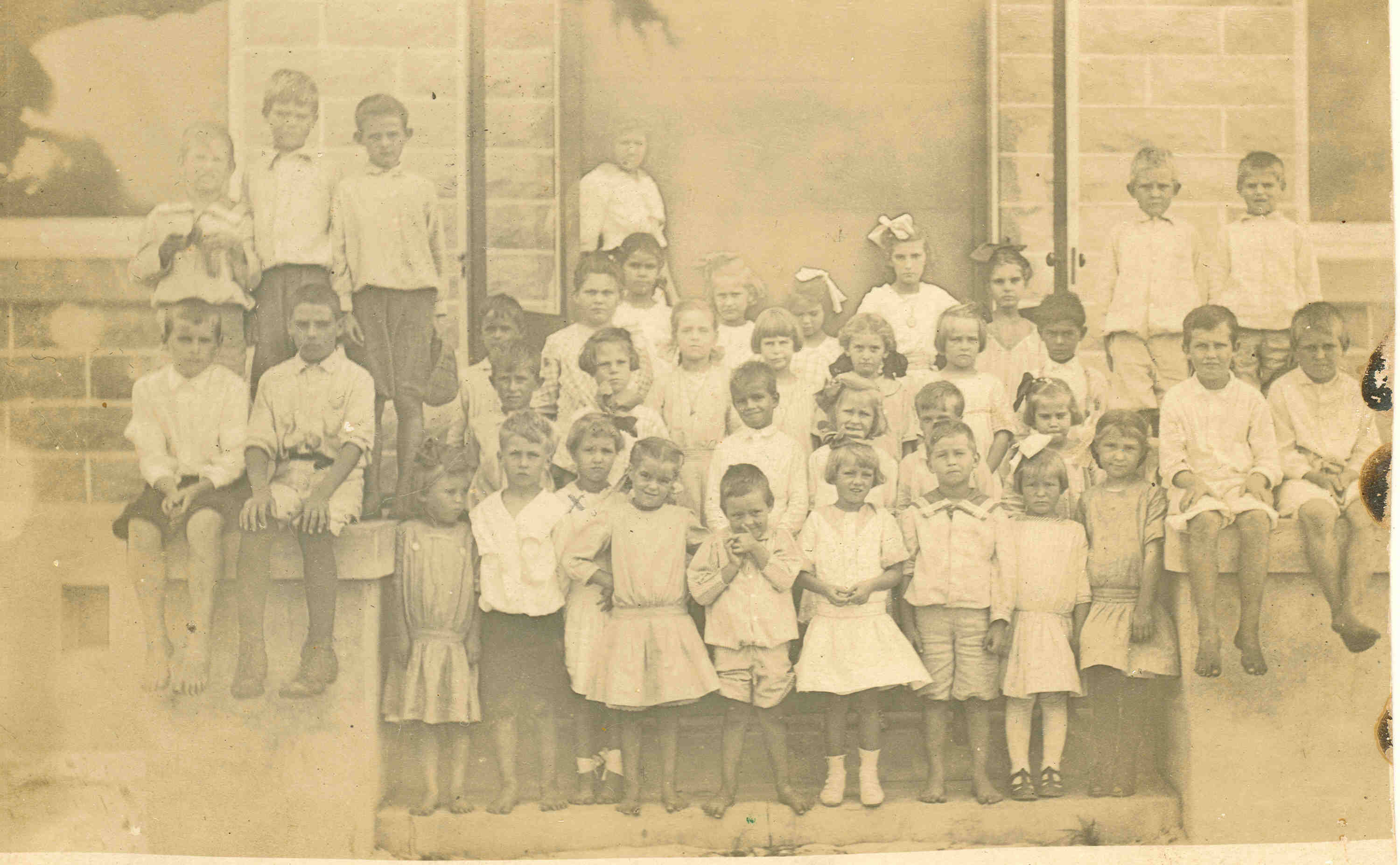
Miss Annie Streater (Shepard) with her 1st to 4th grade pupils, ca. 1913

Miss Annie Streater (Shepard) with her 1st to 4th grade pupils, ca. 1913

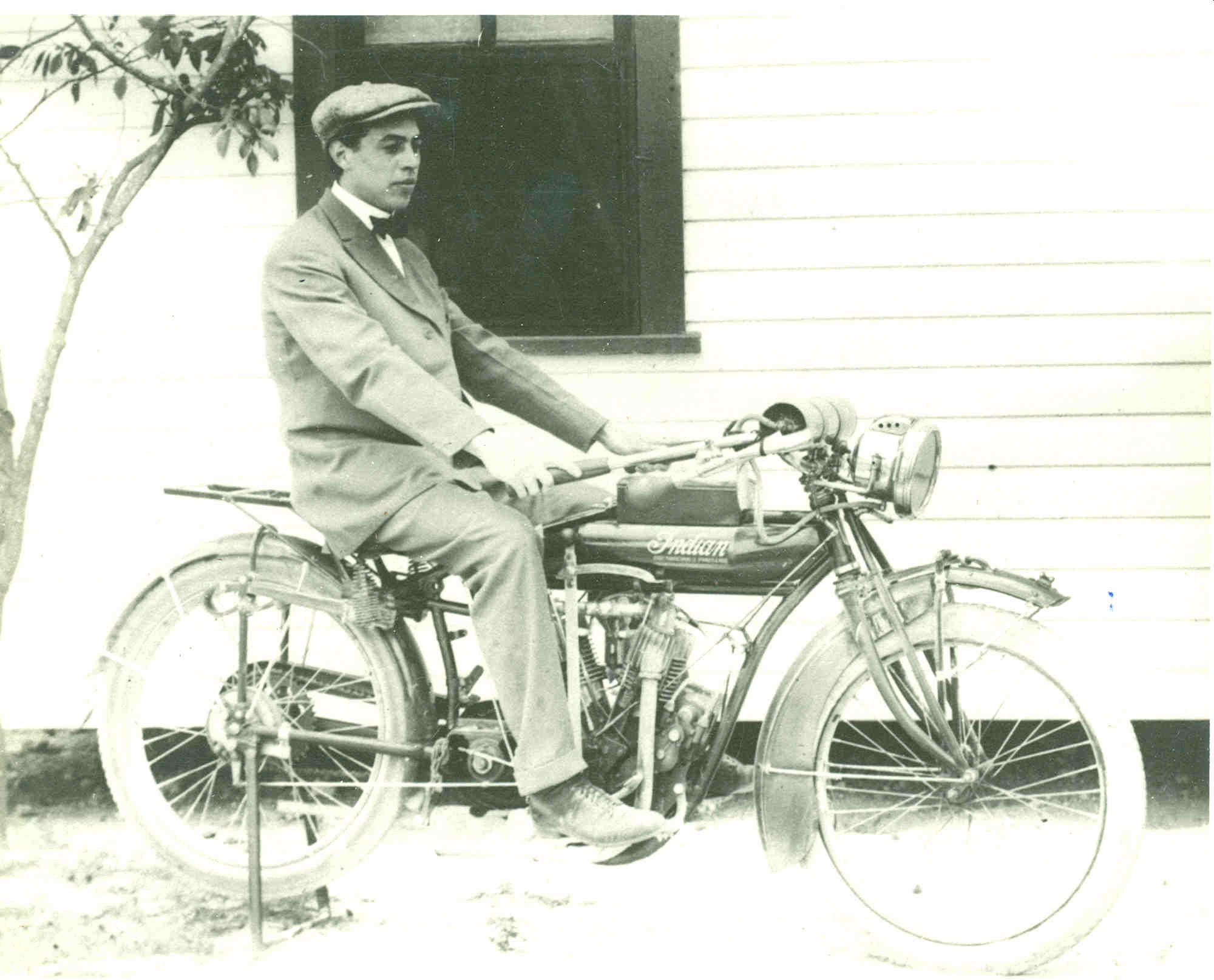
The school opened September 8, 1913 for grades 1-12 with 81 students in attendance. Little Glenn Murray, age three, was hastily added to the list of pupils so the school had adequate students for the staff of three teachers and a principal. Miss Annie Streater taught the first year and Howard Frederick Pfahl, a native of Cleveland, Ohio, served as school principal for the years 1914-1915. Pfahl motored to school on an Indian motorcycle.

Principal Howard Phahl, ca. 1915.

Principal Howard Phahl, ca. 1915.

The Boynton School served grades 1 -12 until 1927, when the Boynton High School opened next door. For the next three decades the building served as a traditional 1-8 grade school, until Boynton Jr. High opened in 1958. The structure served as a school for primary grades and elementary students until its closing in 1990.