Rainbow Tropical Gardens: A Roadside Paradise in Boynton Beach

Rainbow Tropical Gardens: A Roadside Paradise in Boynton Beach

In the first half of the twentieth century, the coastal region of South Florida experienced rapid transformation. Railroads, highways, and the land boom of the 1920s brought new towns and tourism to areas like Boynton Beach. Along U.S. Highway 1, travelers encountered a landscape filled with nurseries, citrus groves, and small attractions that promoted Florida’s image as a lush, tropical destination. Among these, one of the most memorable was Rainbow Tropical Gardens, created and maintained by Clyde O’Brien Miller, a gifted horticulturist whose imagination and craftsmanship shaped the site into one of Boynton Beach’s earliest and most beloved landmarks.
Clyde O’Brien Miller and His Vision

Clyde O’Brien Miller was born in 1885 and developed an early interest in tropical plants and landscape design. He was part of a generation of horticulturists who viewed Florida not only as fertile ground for agriculture but also as a living canvas for artful gardens. Before establishing his own property, Miller worked on the gardens of Addison Mizner’s Cloister Inn in Boca Raton, where he absorbed Mizner’s use of Mediterranean Revival architecture and romantic garden design. This experience strongly influenced his later work.

By the late 1920s, Miller had settled in Boynton Beach and purchased land along U.S. 1 just north of downtown. He opened Rainbow’s End Nursery, which sold tropical plants and decorative landscape materials. Miller’s passion for creating beautiful spaces soon transformed the nursery into something larger. He began developing the grounds into Rainbow Tropical Gardens, a series of landscaped pathways, water features, and floral displays that showcased the variety and vibrancy of Florida’s tropical vegetation. Miller’s vision combined horticulture and art in a way that appealed to both tourists and local residents.
Design and Features

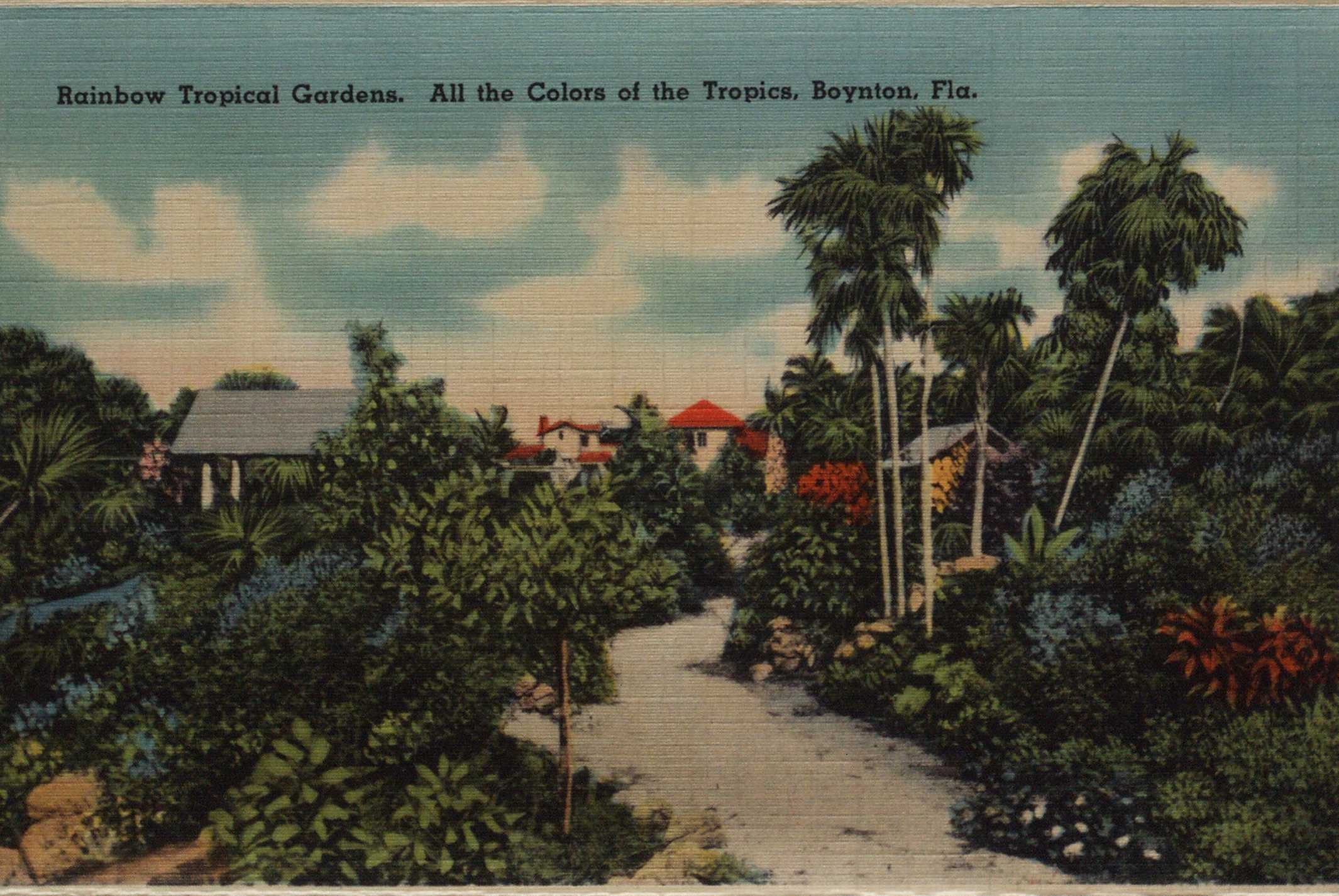
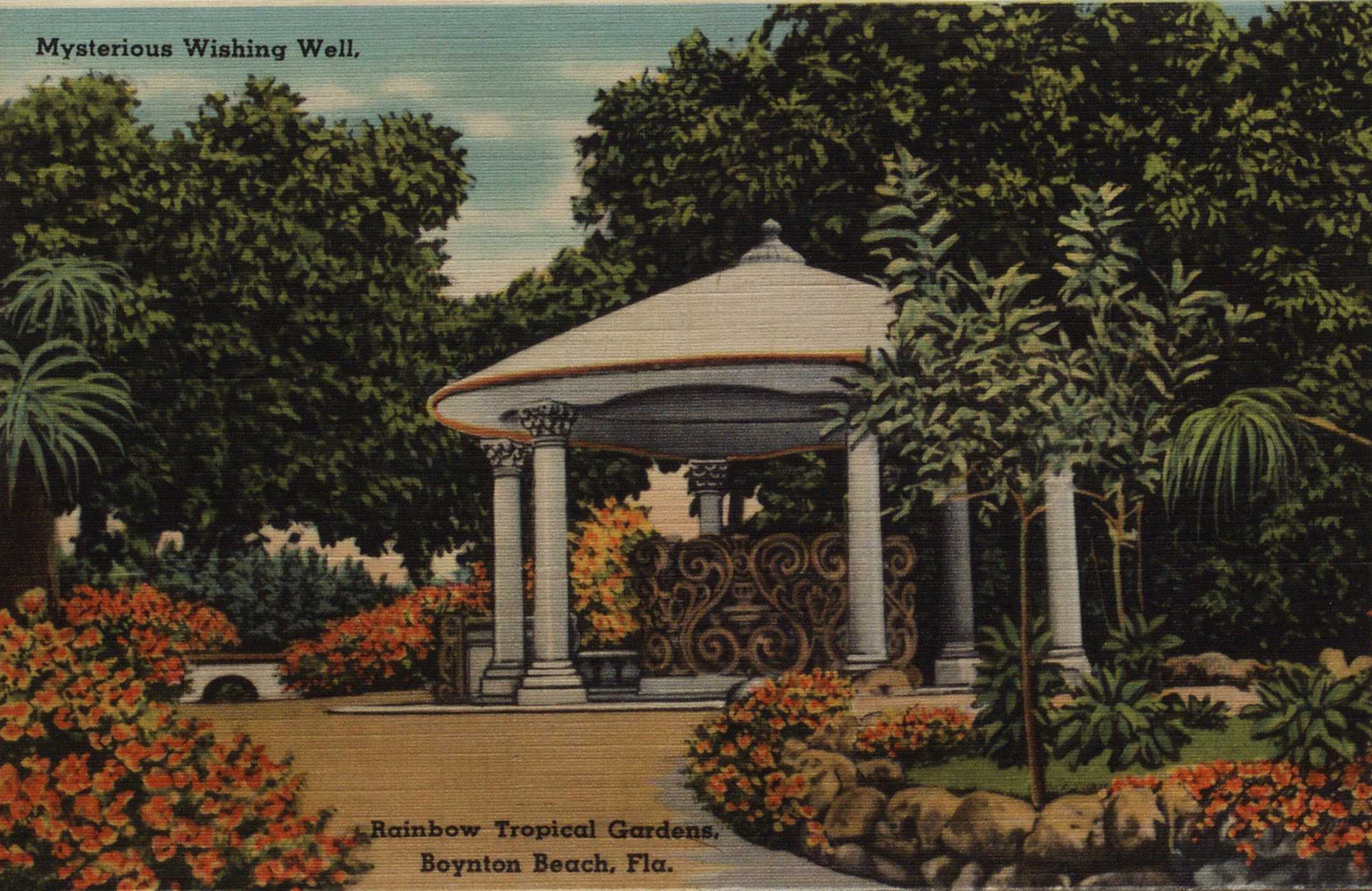
The gardens reflected Miller’s mastery of planting design and his appreciation for the visual power of color and form. He arranged winding footpaths that led through beds of hibiscus, crotons, bougainvillea, and palms. Visitors followed these trails past lagoons, fountains, and bridges, each carefully placed to frame the surrounding landscape. Stone gazebos, archways, and pergolas offered shade and a sense of discovery, while reflecting pools mirrored the vibrant foliage overhead.

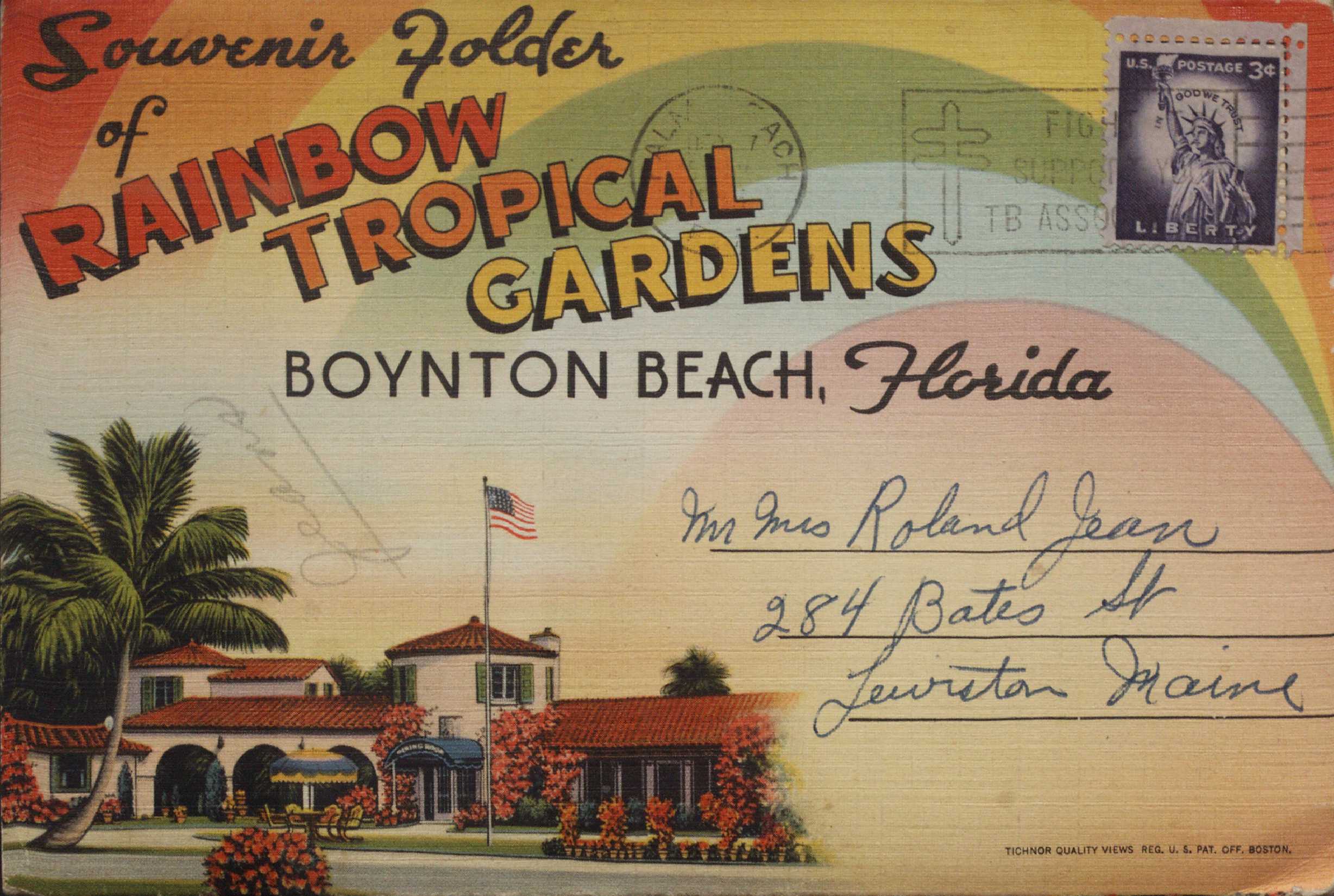
At the front of the property stood Mediterranean Revival–style buildings that served as the gift shop and café. Local tradition and historical recollections suggest that Addison Mizner, who had already established himself as Palm Beach County’s most famous architect, either designed or inspired these structures. The combination of stucco walls, barrel tile roofs, and arched openings harmonized perfectly with the surrounding plantings.

Miller himself was responsible for much of the stonework and ornamental detailing throughout the grounds. His craftsmanship gave the gardens a handmade quality that distinguished them from purely commercial roadside attractions. Everything about the property reflected careful planning and artistic intent.
The Tourist Attraction Years

During the 1930s and 1940s, Rainbow Tropical Gardens became a celebrated stop for travelers driving the Dixie Highway and later U.S. 1. Visitors walked through the gardens, took photographs, and purchased tropical plants to ship north. The site appeared on linen postcards distributed across the country, often labeled with its motto, “All the Colors of the Tropics.” These colorful images helped spread Boynton Beach’s reputation as a place of natural beauty.

By the postwar years, Miller expanded the attraction to meet the expectations of modern tourists. The property included bird shows, alligators, and a Seminole Indian Village, reflecting the entertainment trends of the 1950s. Despite these additions, the heart of the gardens remained Miller’s landscapes and his commitment to horticultural display.

Rainbow Tropical Gardens also functioned as a community landmark. Local families held gatherings on the grounds, and the gardens served as a backdrop for countless photographs and wedding portraits. It represented the idealized Florida landscape that residents and visitors alike associated with sunshine, color, and abundance.
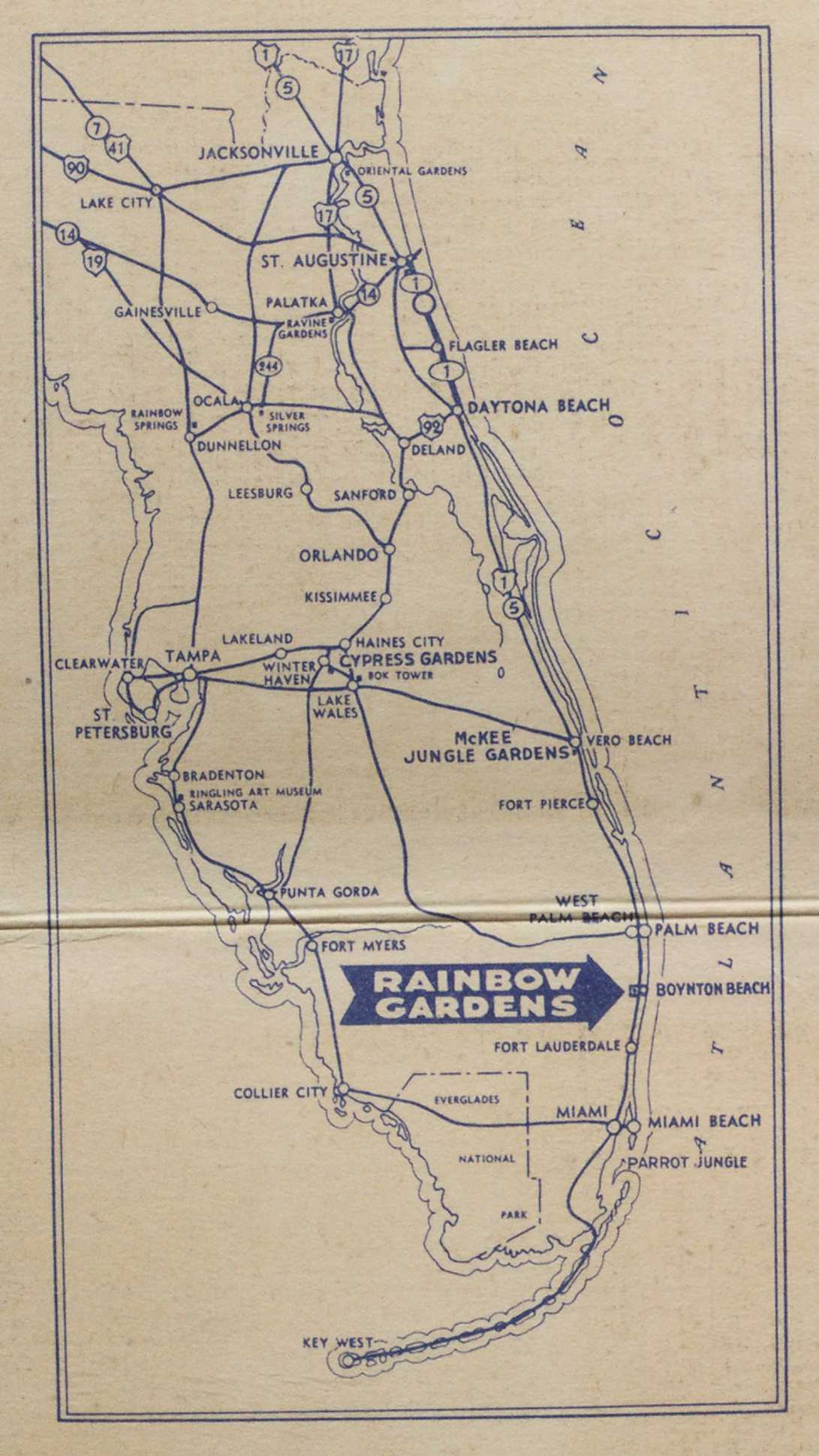
Florida map showing Rainbow Tropical Gardens

Decline and Transformation

By the late 1950s, the tourist economy of coastal Florida began to shift. The construction of the interstate highway system diverted travelers away from U.S. 1, reducing the steady stream of visitors who once stopped in Boynton Beach. Larger and more heavily advertised attractions, such as Cypress Gardens near Winter Haven, began to dominate the market. Like many independent roadside sites, Rainbow Tropical Gardens could not compete.

The property gradually closed, and much of the land was redeveloped. However, the main building, which had served as the garden’s entrance and café, survived. It was adapted for new use and today operates as Benvenuto’s Catering and Restaurant, a well-known Boynton Beach landmark. The restaurant retains many original architectural elements, including stucco walls, Spanish tile roofing, and arched porticos that date back to the garden’s early years.

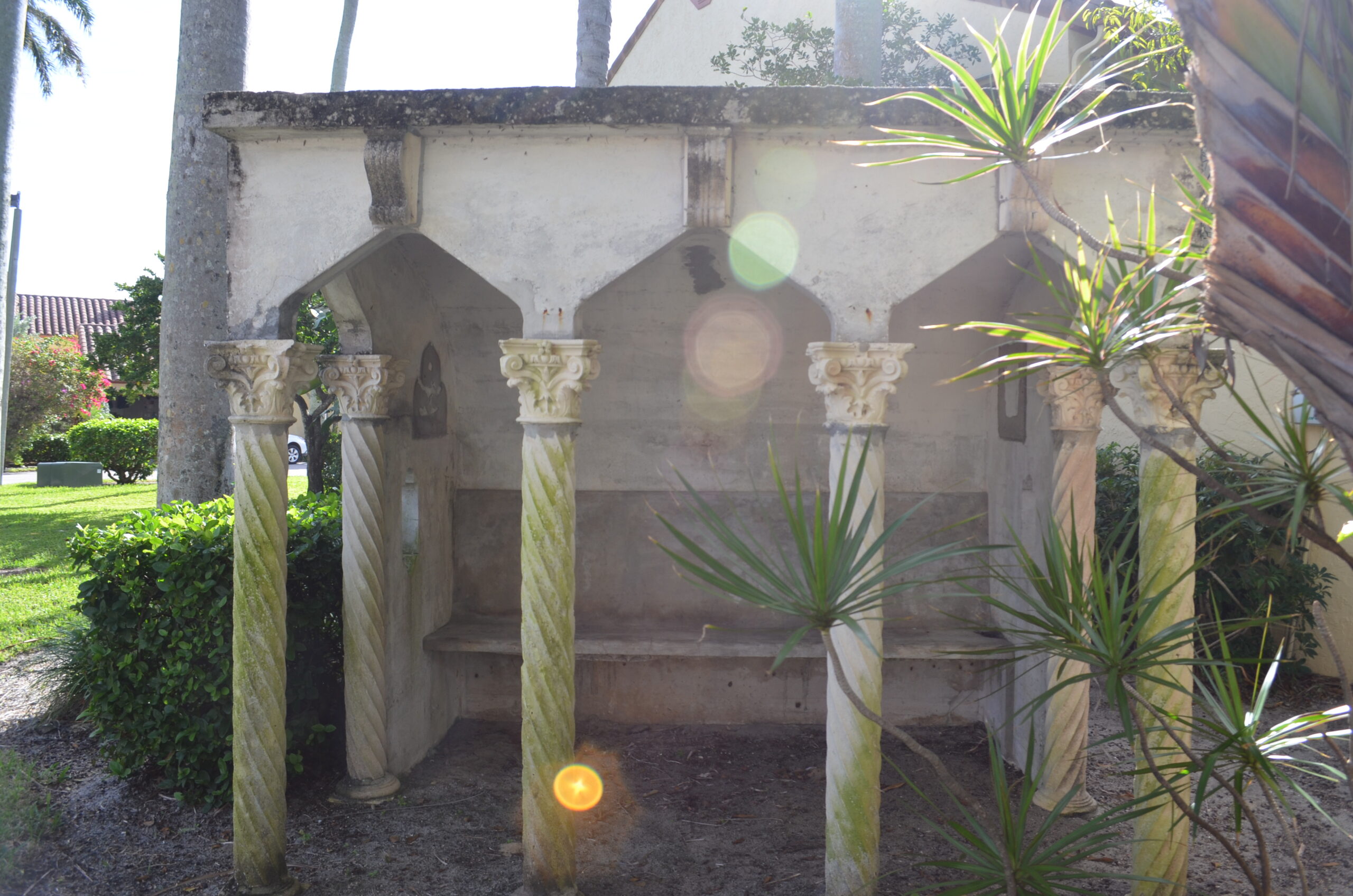
The surrounding area became part of the Dos Lagos residential community, which occupies what was once the broader landscape of the gardens. Within that neighborhood, a few of the original garden structures still exist. Stone gazebos, walls, and fragments of pathways can still be found amid newer development, quietly preserving traces of Miller’s original design.
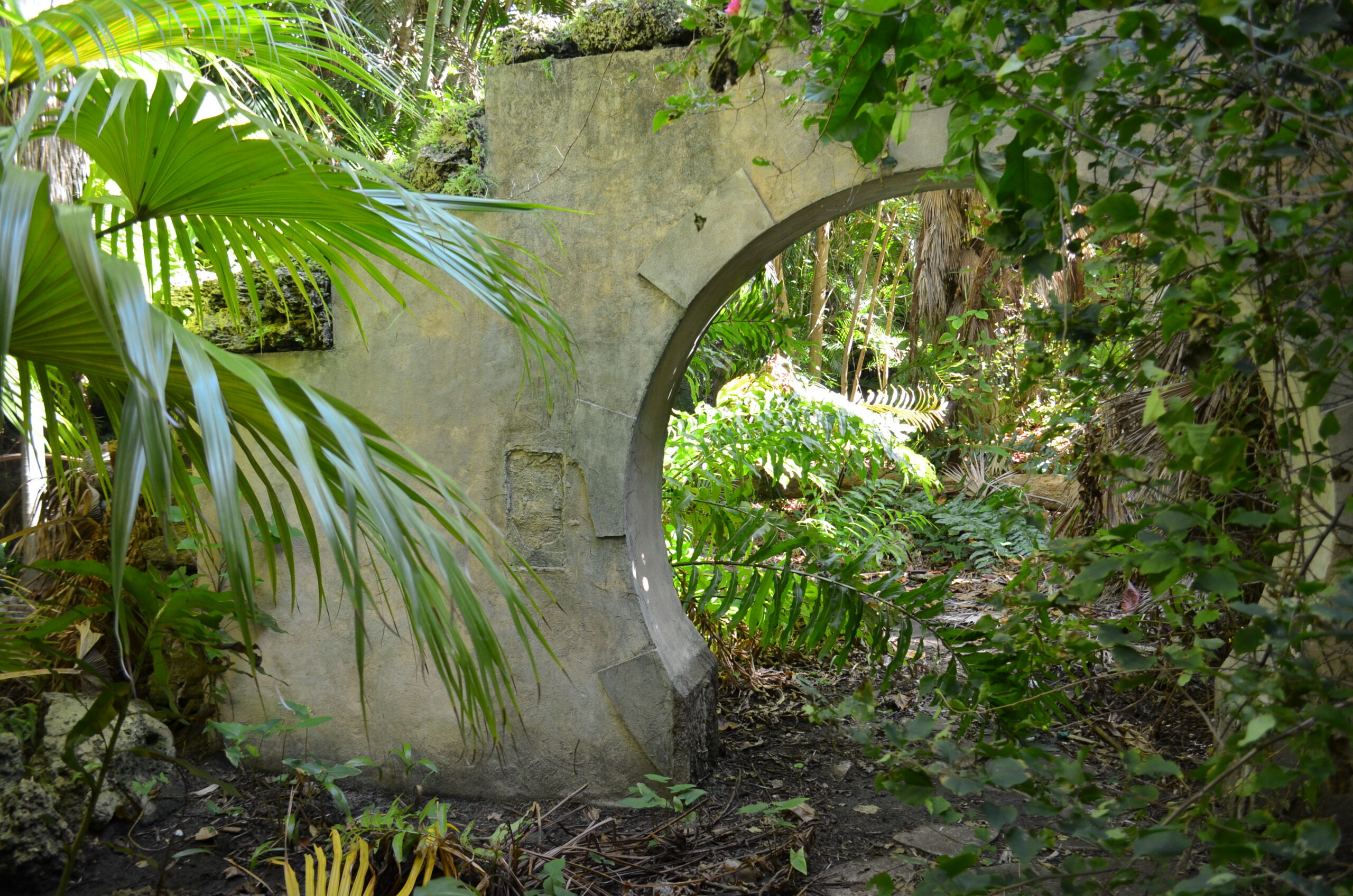
Remnant arch from Rainbow Tropical Gardens

Clyde Miller’s Legacy

Clyde O’Brien Miller’s work at Rainbow Tropical Gardens reflected his belief that horticulture was an art form capable of transforming the everyday environment. His skill as a gardener and builder made him one of Boynton Beach’s early creative figures. Although Miller was not trained as an architect, his collaboration with the Mizner aesthetic and his ability to blend structure and vegetation placed him within the larger tradition of Florida’s garden designers.

Miller’s influence extended beyond the physical site. His approach to tropical landscaping anticipated later trends in South Florida design, where color, texture, and native flora became central features of residential and public gardens. Even after the gardens closed, his example inspired other nurserymen and landscapers in the region.
Enduring Significance

Rainbow Tropical Gardens stood for three decades as a symbol of South Florida’s beauty and enterprise. It showcased the possibilities of tropical horticulture at a time when the region was defining its identity as a tourist paradise. The site’s history connects Boynton Beach to the broader story of Florida’s roadside culture and the individuals who shaped it through imagination and labor.

Although much of the original garden has vanished, the survival of Benvenuto’s Restaurant and several of Miller’s stone structures ensures that the spirit of Rainbow Tropical Gardens has not completely disappeared. For residents of the Dos Lagos community, the memory of the gardens remains embedded in the landscape itself.
Ward Miller’s Briny Breezes at Shore Acres: The Early Years

Wintering in Boynton

In November 1920, Mr. and Mrs. Ward B. Miller arrived to spend the winter in Boynton. Accompanying Miller and his wife Agnes was their daughter Ruth, son Howard and his new bride, Thomasine. The elder Millers looked forward to the mild climate, and time relaxing and socializing with other winter visitors. The younger set, who were in their early twenties, were excited about ocean bathing, bonfires on the beach, and motoring to Palm Beach and Miami to see the sights.

This season was Ward Miller’s second winter in Florida, and he rented a cottage at Ocean Avenue on the Dixie Highway for his family. He was certain he could convince Agnes that Boynton was an ideal place for their winter home. Born in Indiana, Miller had worked in the lumber business in Port Huron, Michigan, the city where Maj. Nathan S. Boynton served as mayor and newspaperman.

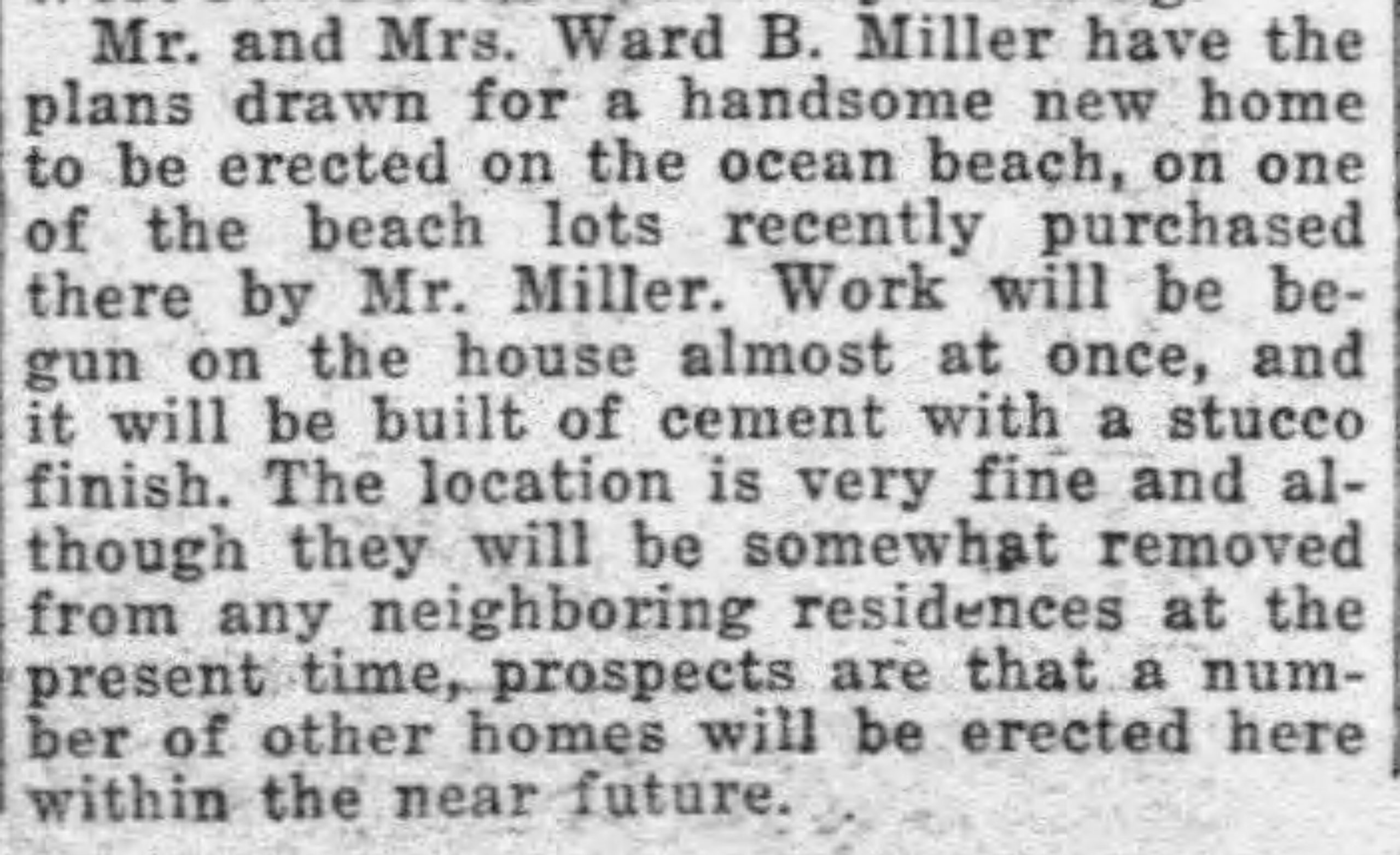
Plans are drawn for Mr. and Mrs. Ward B. Miller’s handsome new home on the ocean beach (30 Apr 1921).

Plans Drawn for “Briny Breezes”

Agnes must have found the moderate temperature and gulf stream breezes to her liking for a few months later The Palm Beach Post announced that the Ward Millers “have the plans drawn for a handsome new house to be erected on the ocean beach, on one of the lots he recently bought there. Work will be begun on the house almost at once. It will be built of cement with a stucco finish. The location is fine and although they will be somewhat removed from any neighboring residences at the present time, prospects are that a number of other homes will be erected within the near future.”


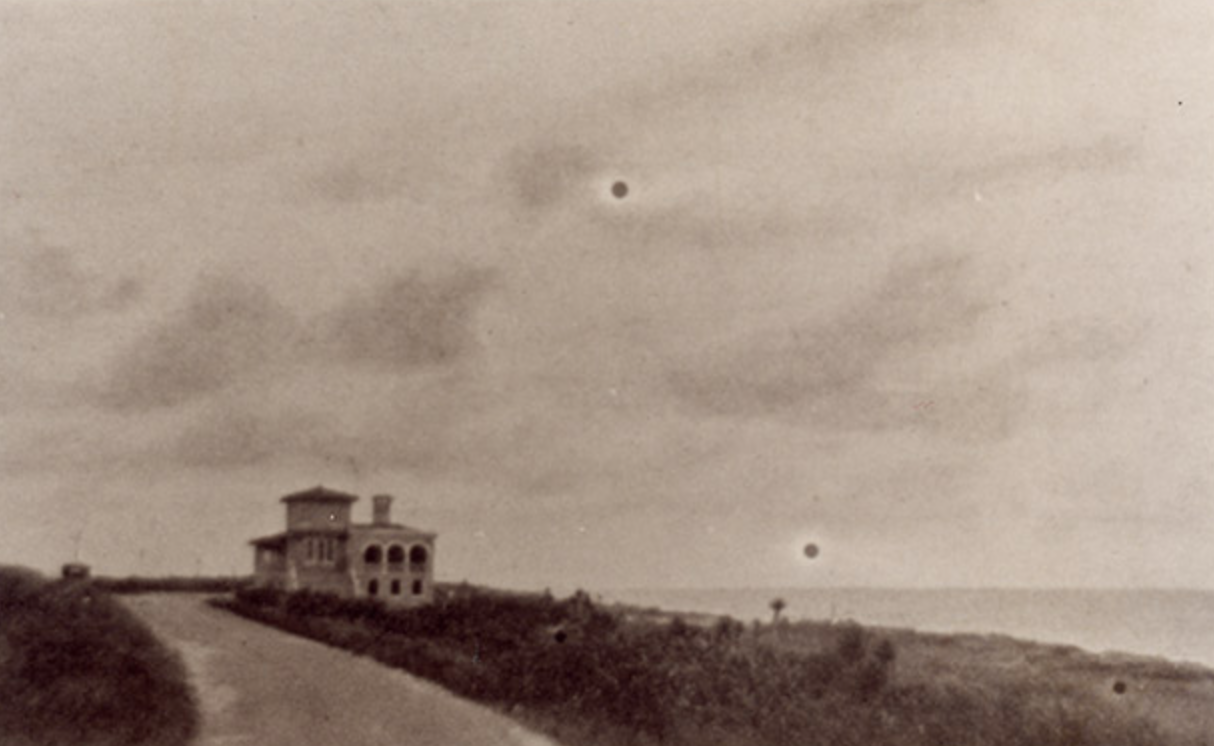
In mid-summer The Miami News reported that work had begun “on the fine home of Mr. and Mrs. Ward B. Miller on the ocean front…work is progressing nicely. Miller is building a magnificent home on his property there and will also install a large, modern dairy farm.” The fashionable two-story Miller home “Briny Breezes” was built in Spanish-style on the ocean ridge overlooking the Atlantic.

Briny Breezes Overlooking the Atlantic Ocean

The Miller’s home “Briny Breezes.”

Incorporating the Town of Boynton

Miller kept busy about town. He used his keen business sense to help charter the Town of Boynton, serving as its first vice-mayor. He also performed many civic functions, such as starting a  chamber of commerce.


Cattle shipped to Shore Acres (20 Jul 1922, The Miami News).

Shore Acres Dairy Farm

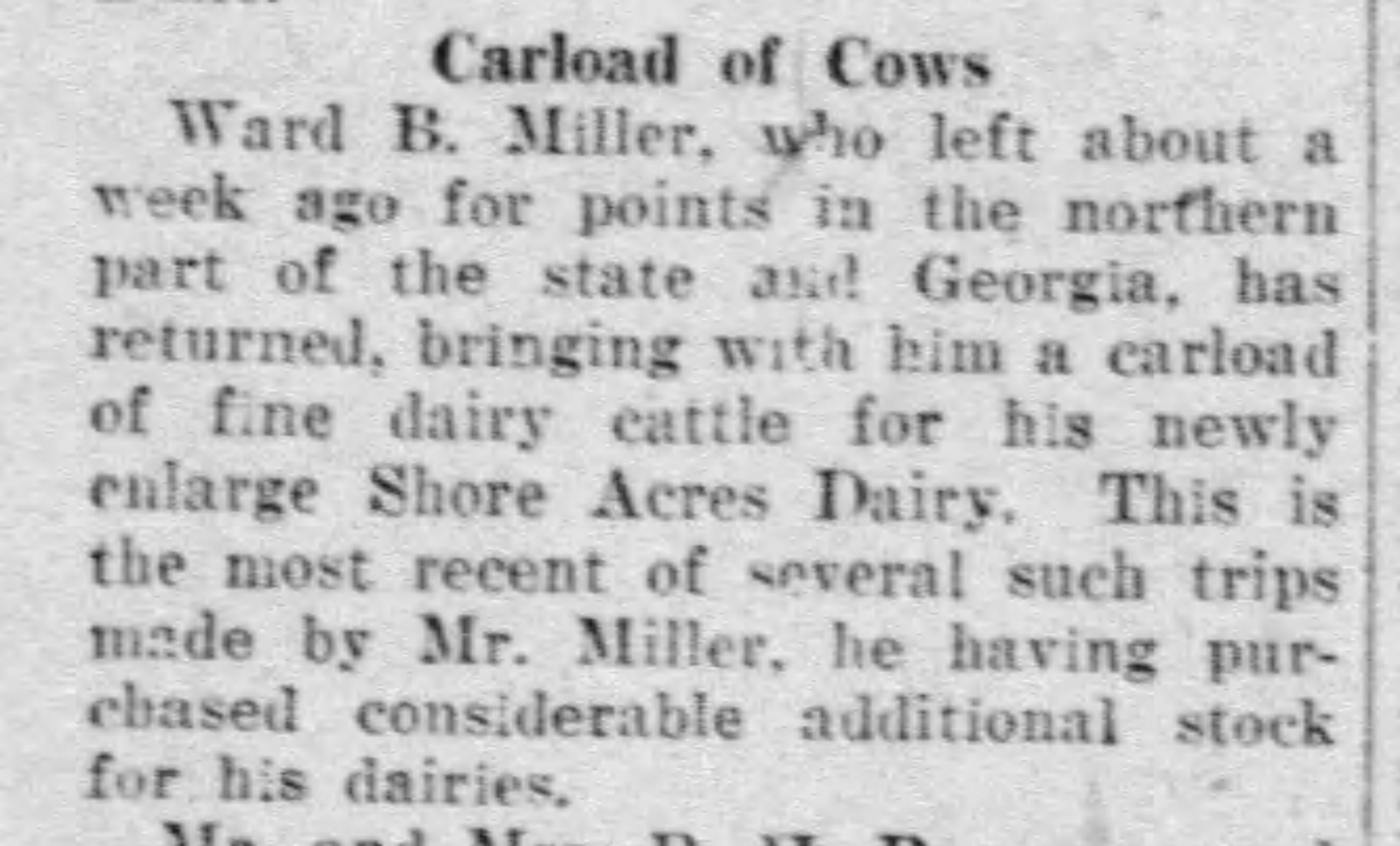
The Miller’s property stretched from the Florida East Coast Canal (today’s Intracoastal Waterway) to the ocean. He called the dairy Shore Acres and traveled to Georgia to bring cattle back in railcars.

The dairy expanded with Miller purchasing an adjoining 25 acreage of “muck and marl” land on the east side of the canal from Boyntonite James McKay. The coastal breeze at the oceanfront dairy helped to keep the flies and ticks away from the cattle.

Miller’s dairy associate in the $23,000 enterprise, M.A. Weaver, understood the dairy business and later founded Weaver Dairies.

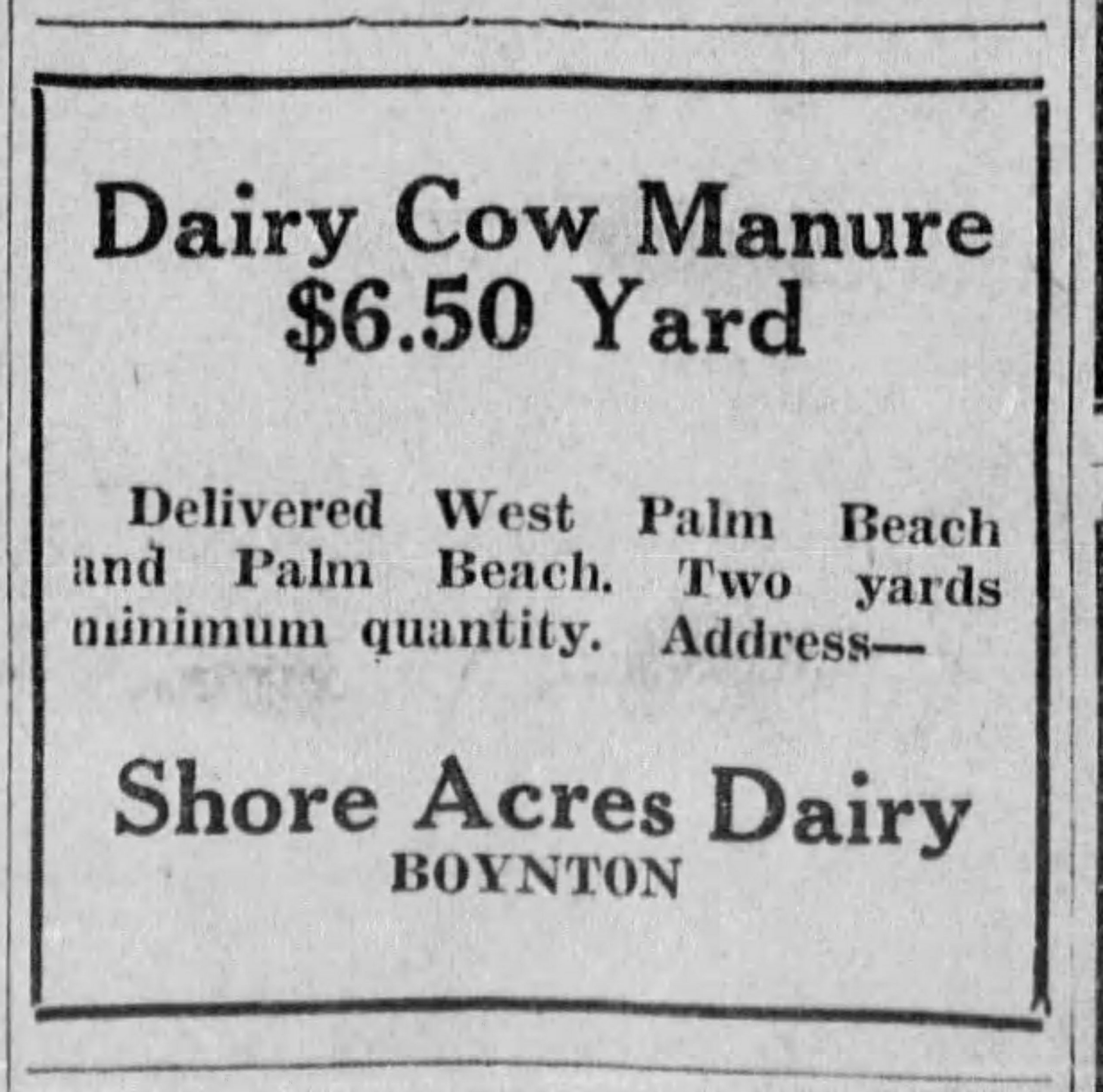
Dairy Cow Manure for Sale (27 Mar 1921, The Palm Beach Post).


Not Much to See Here (Yet)!

Whereas Palm Beach was bustling during the season and Boynton and Delray were also attracting winter visitors, the area between Boynton and Delray was located on a lonely stretch of today’s A1A.

Visitors knew they were approaching Briny both by the strong odor and the telltale three-story mansion along the ridge.


The Boynton Caves

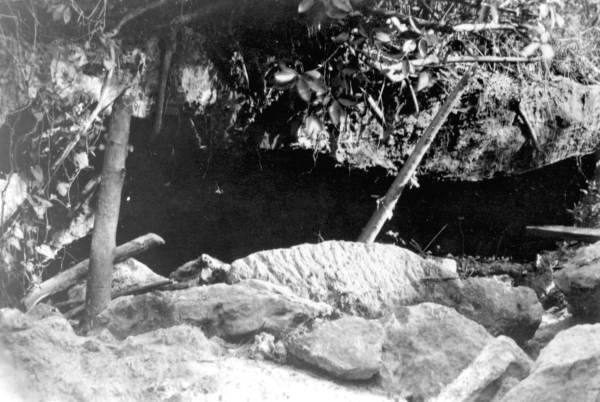
The biggest attraction in the area at the time was the Boynton caves – a series of natural subterranean caves on the beach that attracted picnickers and served as a roadside curiosity. Motorcycle clubs from Fort Lauderdale and Palm Beach and local young people frequented the region and used the site as a rendezvous  point.

Caves located between Highway A1A and the Atlantic Ocean (State Archives of Florida)


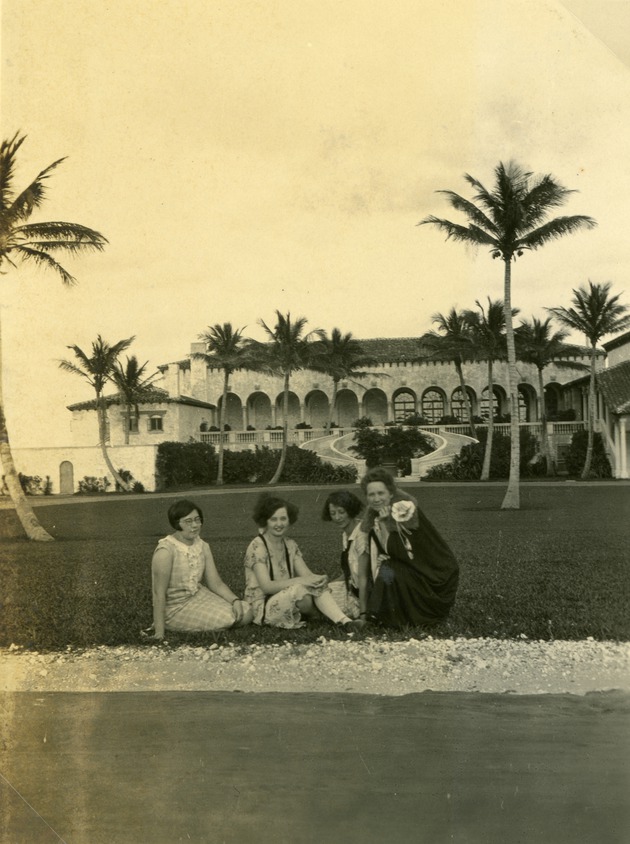
Young women from the Town of Boynton posing on the lawn of the Gulf Stream Golf Club (Image courtesy of Boynton Beach City Library Local History Archives)


Gulf Stream Golf Club

It didn’t take very long for other families to realize the tropical Florida dream and to join the Millers in what was then considered a “remote outpost.”

In late 1923 workmen completed the palatial Addison Mizner-designed Gulf Stream Golf Club south of Miller’s dairy. The impressive private club caused quite a stir with the locals, who would ride their bikes down the desolate stretch, or walk the beach southward for a glimpse of the grand building.

The Phipps brothers built mansions along the beach and started winter polo matches. Florida surged in popularity when developers began subdividing land and creating new communities appealing to northern investors and affluent people fancying buying a winter home.


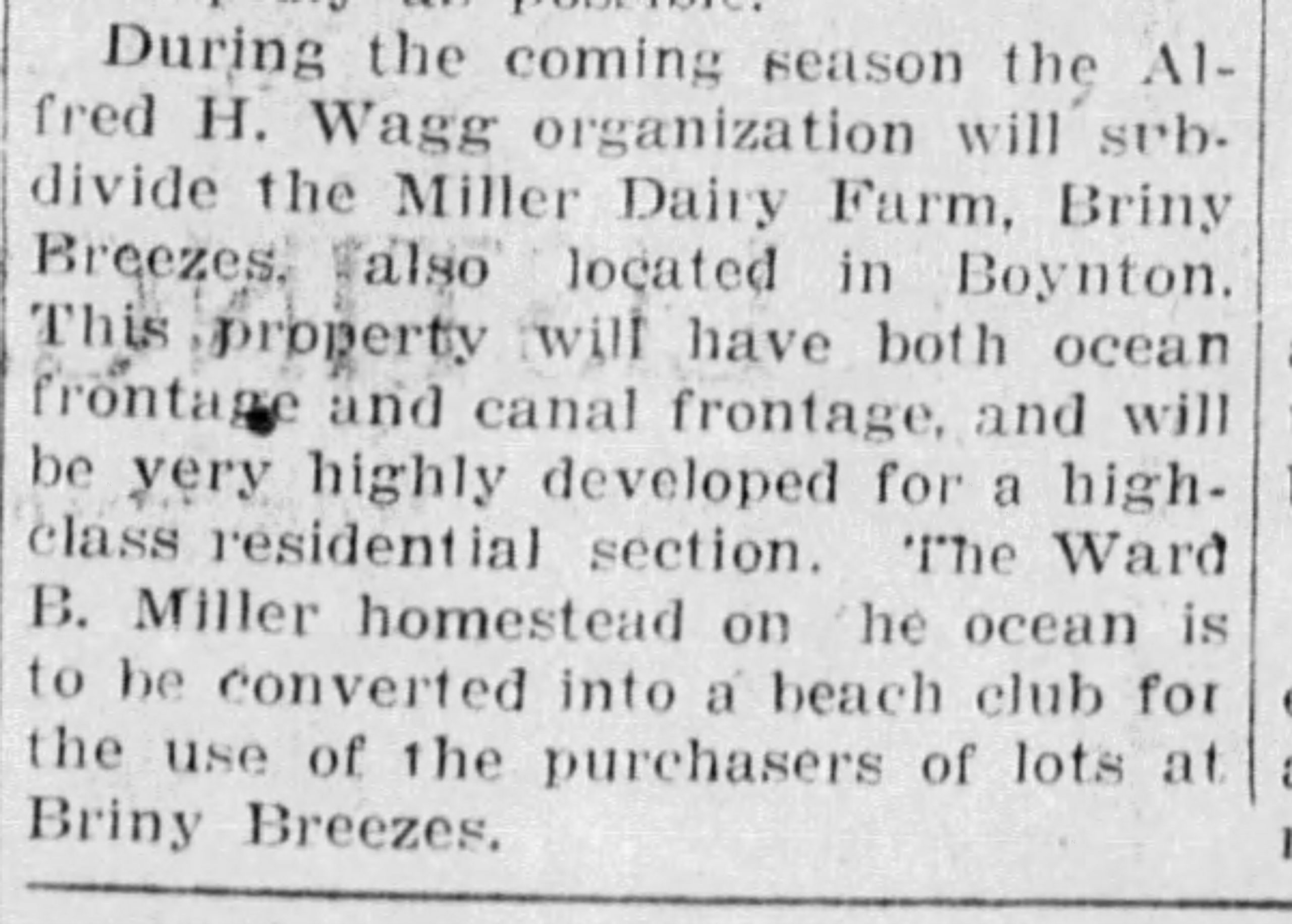
Wagg Organization (13 Sep 1925, The Palm Beach Post).

The Great Florida Land Boom

The great Florida land boom dramatically changed Florida, especially Palm Beach County, Boynton Beach, and even Miller’s Briny Breezes.

In 1925, at the height of the boom, after seeing the development frenzy and being approached by several persistent real estate developers, Miller couldn’t resist “selling the farm.”

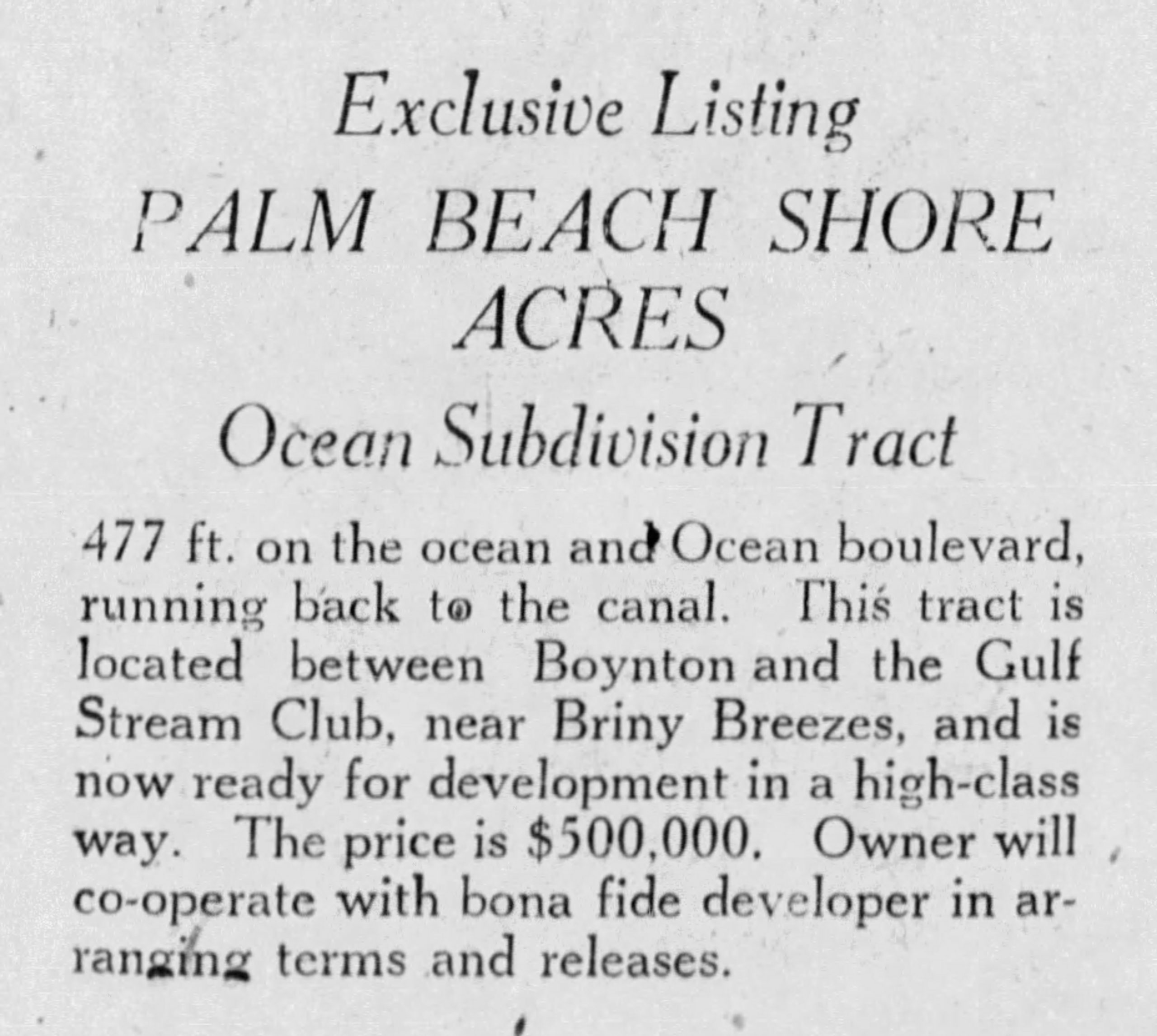
Exclusive Listing Palm Beach Shore Acres (21 Oct. 1925, The Palm Beach Post).


As he approached his 64th birthday, Miller agreed to the Alfred Wagg Corporation subdividing his dairy lands into a new development called “Shore Acres.”

Wagg’s company quickly listed Palm Beach Shore Acres for a half million dollars.


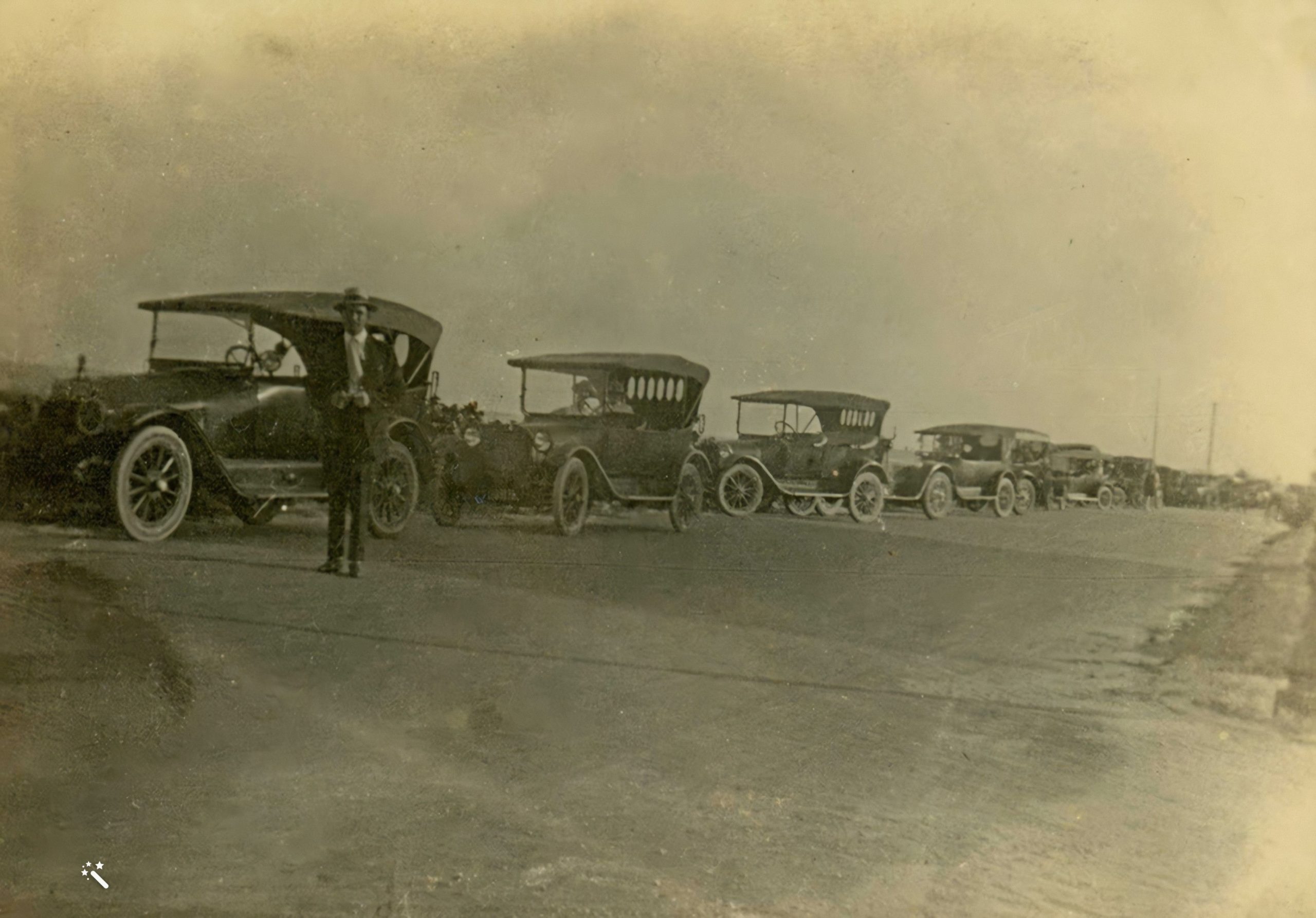
Prospective buyers line up to purchase lot’s in Alfred Wagg’s new boom time subdivision Briny Breezes at Shore Acres

The Miller’s then joined the other dreamers and schemers and their sometimes-unscrupulous salesmen who peddled property unseen and weren’t inclined to record every transaction.


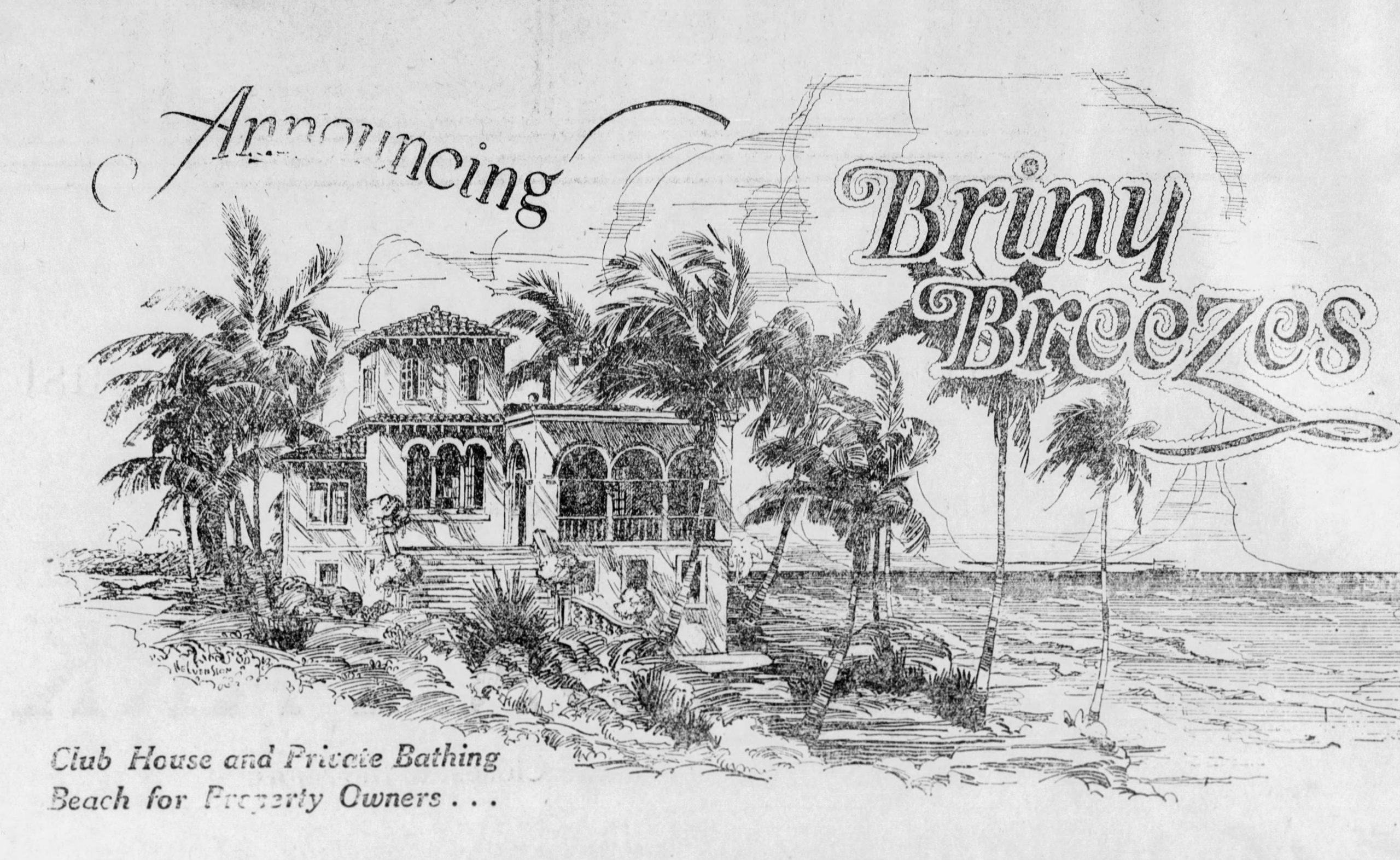
Announcing Briny Breezes (14 Oct 1925, the Palm Beach Post).

Cashing In

Meanwhile, Ward Miller invested in real estate in Boynton and northward into West Palm Beach. He purchased interests in lots in Northwood, Grandview Heights, and the Flamingo Park area. Across Florida, land swapped hands freely, routinely without proper title searches conducted or deeds issued.

The “Big Bubble”

Bubble in the Sun by Christopher Knowlton


Mid-year into 1926, the land boom bubble deflated.

Modern historians like Christopher Knowlton, author of “Bubble in the Sun: The Florida Boom of the 1920s and how it brought on the Great Depression” quoted a contemporary who described the land grab frenzy stagnation, stating “We just ran out of suckers.”

Hurricanes

Severe weather patterns extinguished any romantic dreams for investors.

In a now familiar tale, the wrath caused by the twin hurricanes of 1926 was finalized with the killer 1928 hurricane. Its devastation extinguished the land development schemes.  Supply chain issues in the Port of Miami thwarted materials delivery and potential investors realized that their pipe dreams were a grand illusion.


Run on the Banks

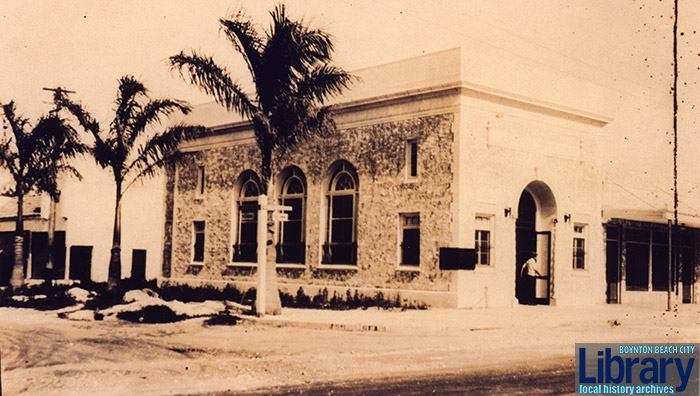
The First Bank of Boynton, established only a few years earlier, closed in 1929 and did not re-open again until the 1940s as it took that long for financial recovery in Boynton.

“Bank building, 1927,” Boynton Beach City Library Local History Archives,


The Great Depression

Boynton Needlecraft Club at Briny Breezes, 1932, Boynton Beach City Library Local History Archives


The depression hit hard. The people who stayed in the area had to work hard and trade with neighbors just to survive. Agnes and other local women shared afternoons sewing clothing, gifts and home accessories.

Boynton Needlecraft Club at Briny Breezes, 1932, Clara Topleman, Jennie B. Jones, Rena Powell, Alice Knuth, Clara White, Agnes Miller, Minnie Paulle, Emily Atwater, Harriet Seegitz andClara Shepperd (Courtesy of the Boynton Beach City Library Local History Archives)

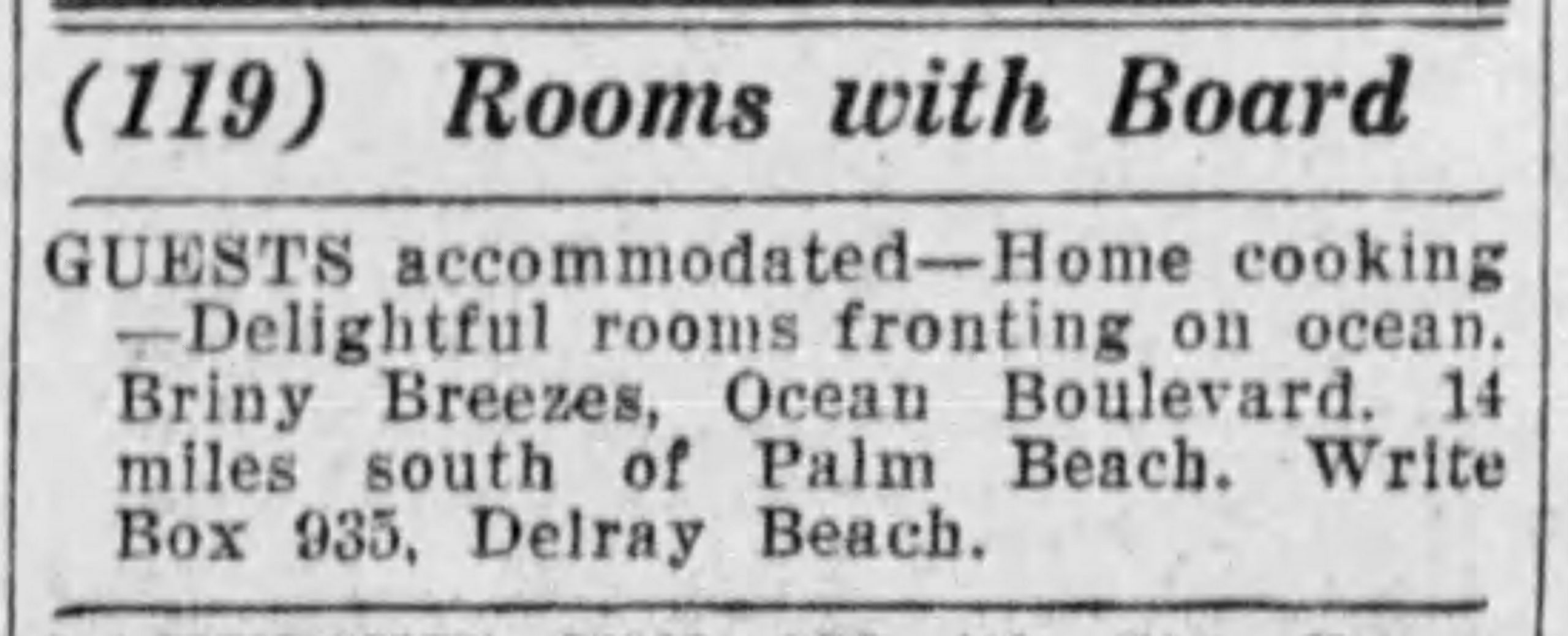
Rooms for Rent (The Palm Beach Post)

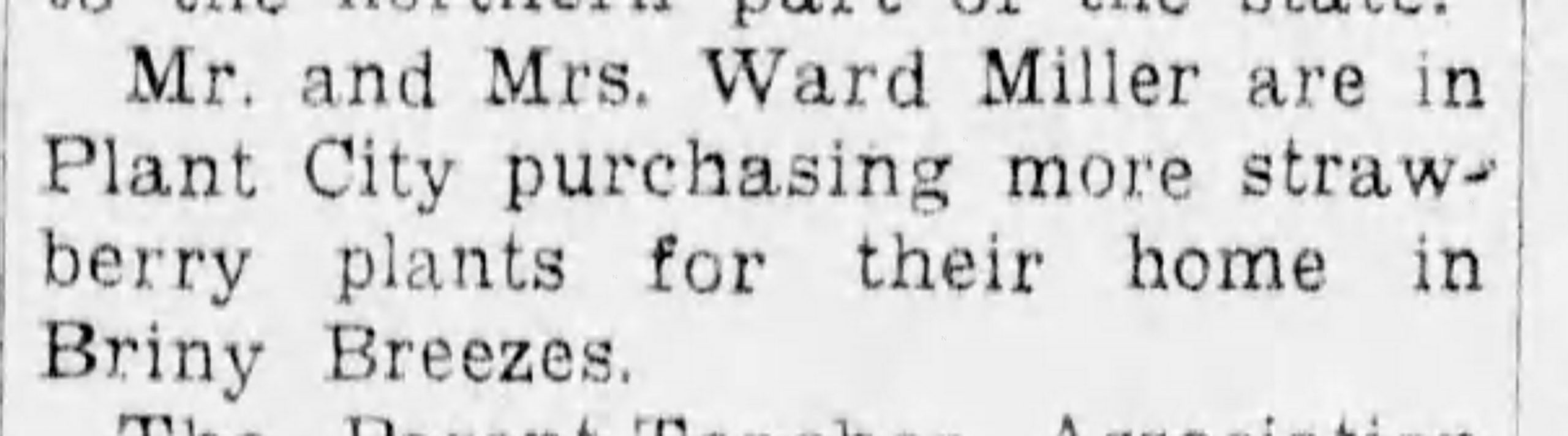
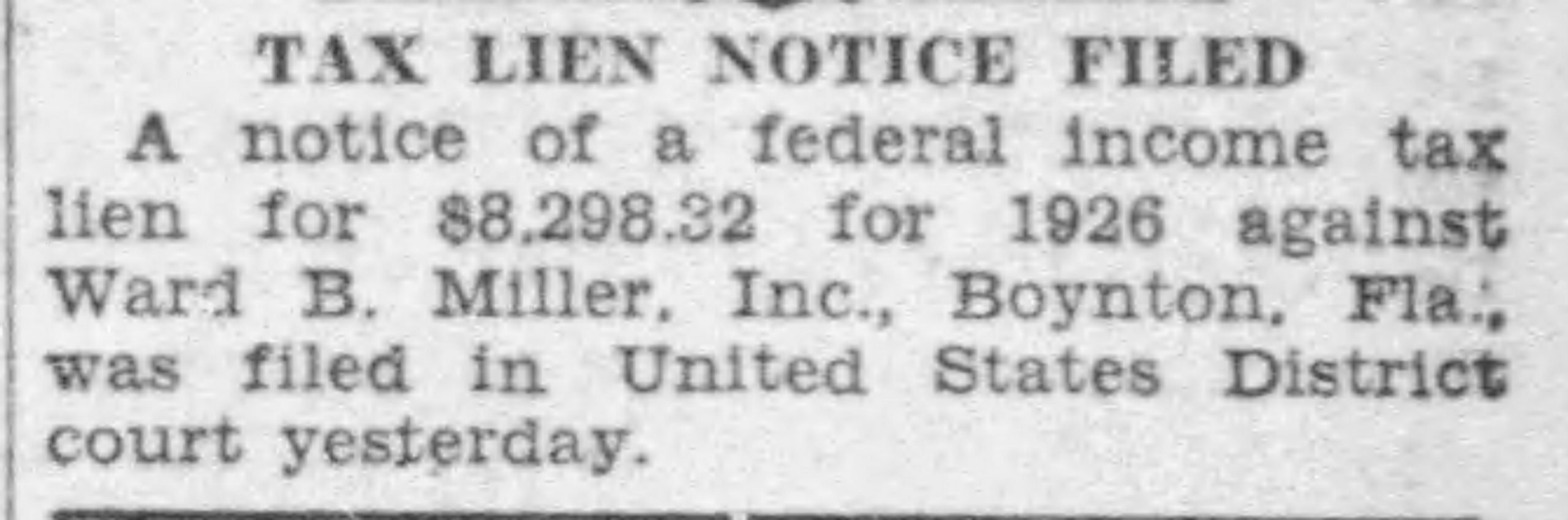
Ward and Agnes Miller were involved in several land-related court cases and were on the delinquent tax list. They devised ways to supplement their income and retain hold of their coveted oceanfront land. They rented out rooms in their beautiful home. They purchased strawberry plants to raise and to sell to visitors traveling down the ocean boulevard.

Miller’s buying strawberry plants in Plant City (5 Nov 1931, The Palm Beach Post).

(12 Oct. 1934, The Miami Herald


Briny Breezes Trailer Camp

During this financial depression the Miller family decided to lease lots to annual visitors and established the Briny Breezes Trailer Camp. There’s more to the story, but that’s a more familiar one and will make a good future blog.

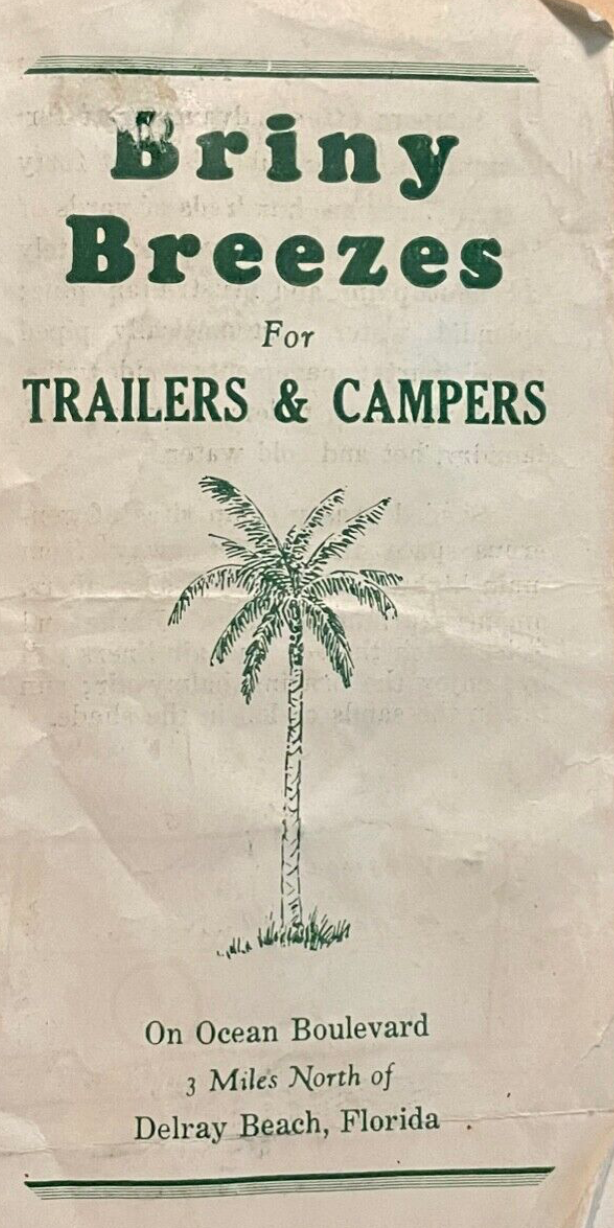
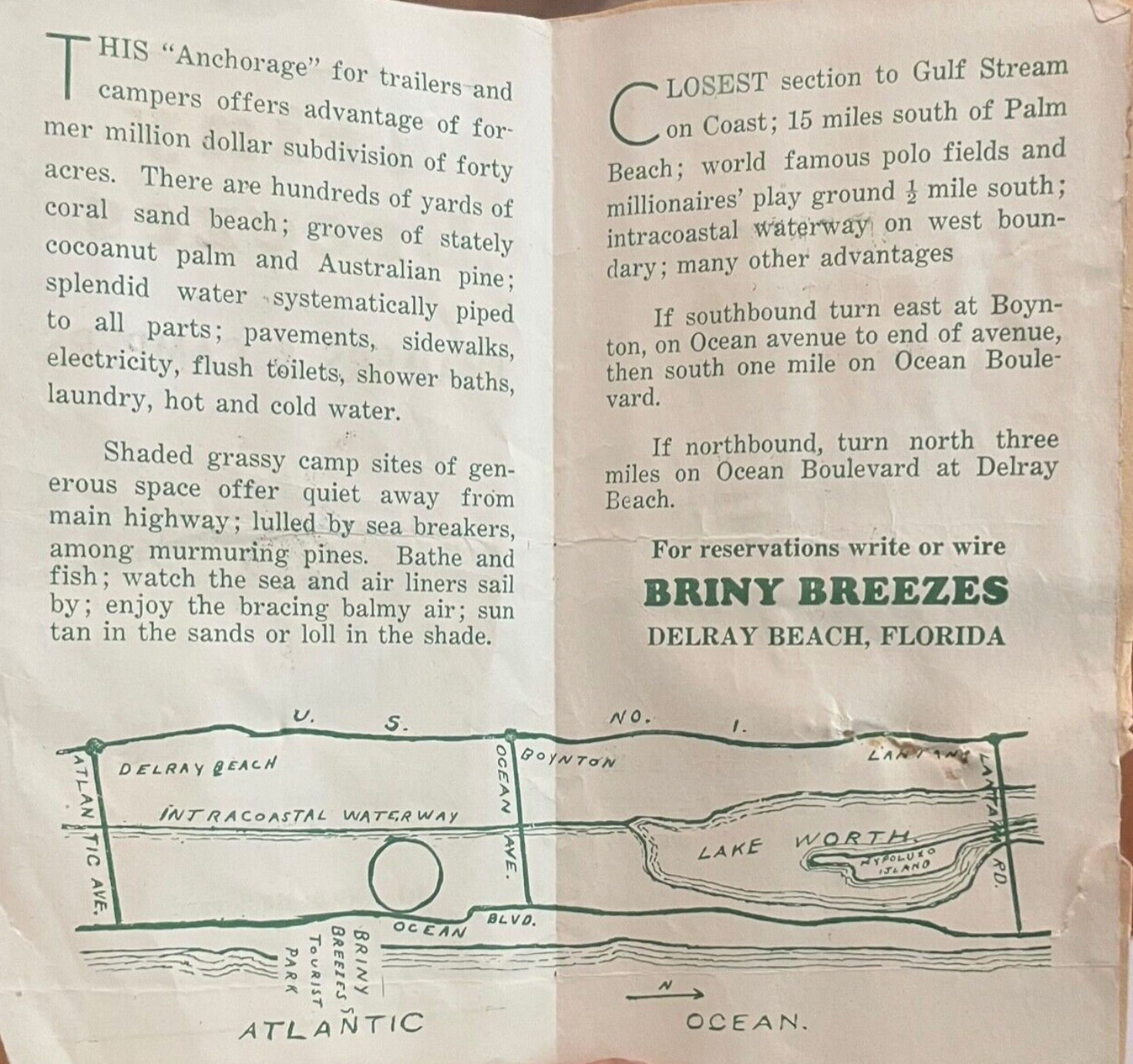
Briny Breezes for Trailers & Campers


1930s Brochure for Briny Breezes

Early Boynton Beach Leaders: Horace B. Murray

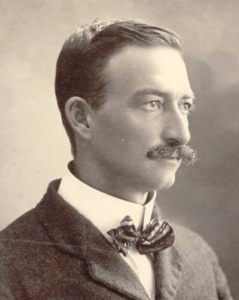
Horace Bentley Murray


Bailey, Michigan native Horace Bentley Murray, his wife Mary Smith, and their three children, Florence, Clyde and Glenn travelled by train, steamboat and launch to a tiny Florida seaside settlement known as “Boynton,” arriving in January, 1896.

Murray, known as H.B. or simply “Hort” by family and friends, came to Florida as the head carpenter for Michigan politician Major Nathan Smith Boynton’s winter home. The spacious home, located on the rocky coastal ridge. overlooked the turquoise blue Atlantic Ocean.

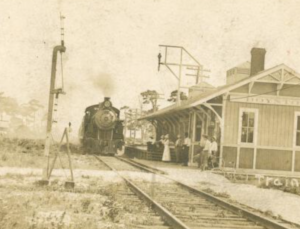
Henry M. Flagler’s Florida East Coast Railway, Boynton station


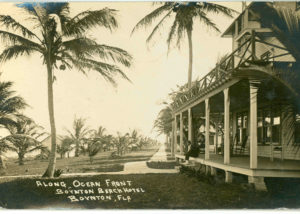
Nathan Boynton’s winter home – later the Hotel Boynton

While Murray and other laborers constructed the two-story wooden structure, the Murray family lived in a canvas tent on the west side of the canal (known today at the inland or Intracoastal Waterway).

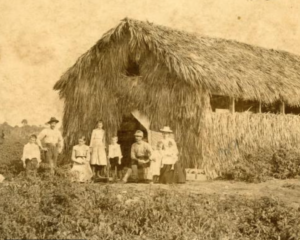
Murray Family outside a Palmetto Thatched structure on their Boynton farm

Murray, like many early settlers, took advantage of Florida’s sunny clime and virgin soil and grew tomatoes (TOMS) and other winter vegetables while helping the fledgling settlement grow. He built homes for many of Boynton’s early settlers, including Fred S. and Byrd Spilman Dewey, who had purchased the Boynton garden lands in 1892 and filed the original plat for the Town of Boynton in September 1898, the same year Maj. Boynton opened his oceanfront home as a winter retreat for northern visitors.

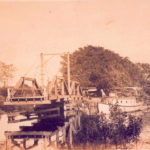
Wooden swing bridge over the inland canal built by H.B. Murray, 1911

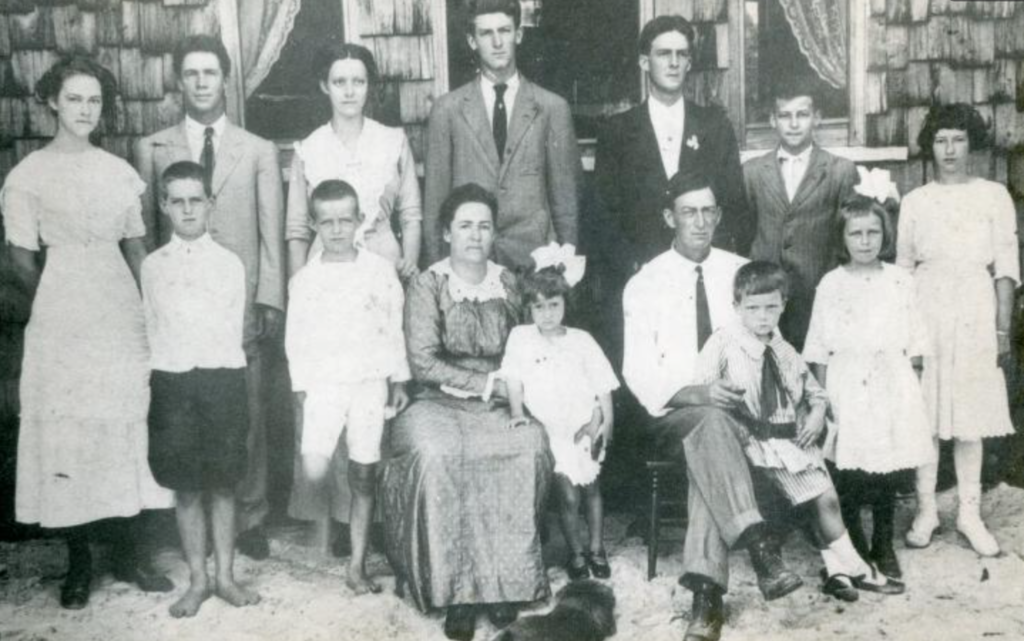
Murray raised ten children in Boynton, and fathered the town, designing bridges, constructing buildings, and steering the settlement toward incorporation. Though he didn’t serve as Boynton’s inaugural mayor (that honor belongs to George E. Coon), H.B. Murray has the distinction of winning the first election following the town’s successful incorporation in June, 1920.

Horace B. Murray Family

An Old-Fashioned Celebration

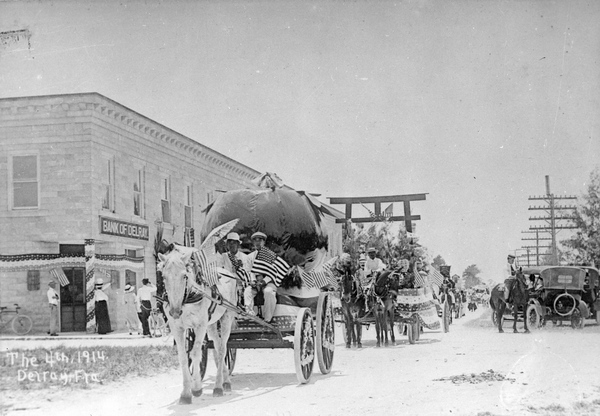
Early residents of Boynton and Delray celebrated Independence Day in ways very similar to the way we celebrate today. Leisure activities such as picnics, parades and swimming topped the list of events.

Parades have long been a big source of entertainment. In 1914, Delray and Boynton teamed up to hold a big 4th of July celebration. Decorated floats like this one paying homage to the principal crop, the tomato, paraded down the street.

Image courtesy State Archives of Florida/Florida Memory 31747

Image courtesy State Archives of Florida/Florida Memory 31747

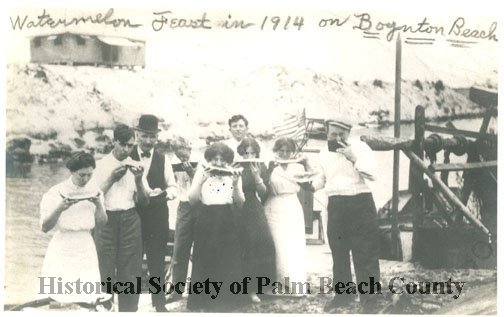
The Boynton Inlet and the Boynton Casino were popular places for celebrating Independence Day. Games and contests were held along with a friendly game of baseball.  Each family packed a picnic basket with homemade treats like fried chicken, coconut cake and fresh pineapple.

Families would walk from town over the bridge carrying covered dishes and the baskets full of goodies. Children played in sand and surf and danced in the waves.

Image courtesy Historical Society of Palm Beach County archive.

Image courtesy Historical Society of Palm Beach County archive.

Watermelon was and still is a popular menu item with people of all ages. Here a group of Boyntonites feast on homegrown watermelon. The expressions on their faces reflect the merriment of the holiday.

Happy Independence Day from the Boynton Beach Historical Society!


The Other Mar Lago Beach Club

BOYNTON’S MAR LAGO

Did you know Boynton Beach once boasted its own Mar Lago Beach Club?

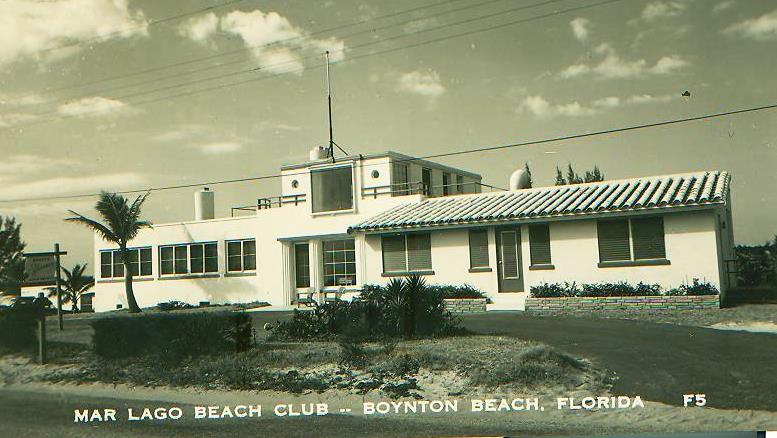
Much smaller and less opulent than the 1927 Palm Beach Mar-a-Lago Estate owned by Marjorie Meriwether Post (then Mrs. E.F. Hutton), the Boynton Beach Mar Lago Beach Club owned by Martha and Leon Robbins from Cleveland, Ohio opened in 1932.

Situated directly south of the South Palm Beach County (Boynton) Inlet, between the Atlantic Ocean and the Intracoastal Waterway (then called Lake Worth), the five-room hotel and adjacent cottage was staffed by a cook and a housekeeper.

The hotel had an upstairs lounge called the Miramar. During World War II, the Coast Guard used the second floor as a lookout point. The hotel was torn down in 1974 to build the county’s Ocean Inlet Park.

Mar Lago is Latin for “sea to lake.”